In the realm of industrial automation, precision, reliability, and durability are non-negotiable. The GX108 proximity sensor stands as a cornerstone technology, engineered to meet these rigorous demands. This comprehensive guide delves into the operational principles, key specifications, application scenarios, and best practices for integrating the GX108 into modern automated systems.
At its core, the GX108 is an inductive proximity sensor. It operates on the principle of electromagnetic induction. The sensor generates a high-frequency oscillating electromagnetic field from its active face. When a metallic target object enters this detection field, eddy currents are induced on the surface of the target. This causes a change in the oscillation amplitude within the sensor's coil, which is detected by the internal circuitry. This detection triggers a switching signal—either normally open (NO) or normally closed (NC)—to control external devices like PLCs, relays, or motor starters. A primary advantage of this non-contact detection method is the absence of mechanical wear, ensuring a long operational lifespan even in high-cycle applications.
The technical specifications of the GX108 define its performance envelope. Typically, it offers a sensing range from 1mm to 15mm, with the specific model (e.g., GX108-5, GX108-10) indicating its nominal range. It is designed to detect ferrous metals (like steel and iron) with the longest range, and non-ferrous metals (like aluminum and copper) with a reduced range, often 30-50% less. The sensor housing is commonly constructed from nickel-plated brass or stainless steel, providing excellent resistance to oils, coolants, and mild chemical splashes, conforming to IP67 or higher ingress protection ratings. Electrical configurations are versatile, available in DC (10-30V DC) or AC (90-250V AC) versions, with 3-wire (PNP or NPN) or 2-wire designs. The output is typically a solid-state switch, ensuring fast response times, often under 1 millisecond, which is critical for high-speed production lines.
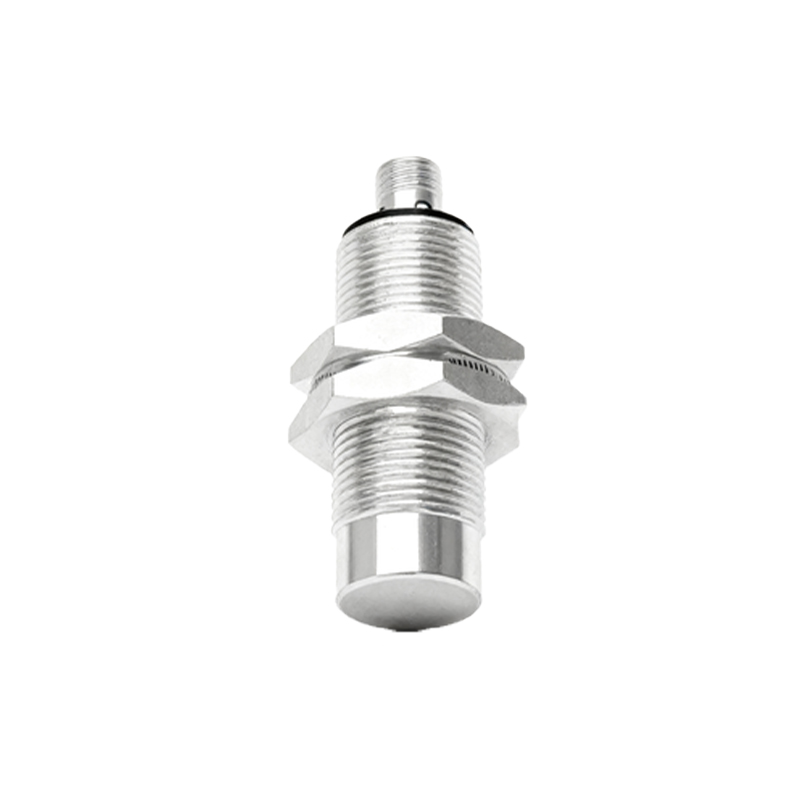
Installation and environmental considerations are paramount for optimal performance. The GX108 should be mounted securely to minimize vibration effects. It is crucial to maintain the recommended lateral and axial spacing between multiple sensors to prevent mutual interference, known as "crosstalk." The presence of different metals in the mounting bracket or surrounding machinery can slightly affect the sensing distance and should be accounted for during commissioning. Furthermore, while robust, the sensor's performance can be influenced by extreme temperatures, strong electromagnetic fields, or conductive dust. Proper shielding and selecting models with extended temperature ratings (e.g., -25°C to 70°C) mitigate these issues.

Application areas for the GX108 are vast across factory automation. It is indispensable for precise object detection on conveyor belts, used to count bottles, boxes, or machined parts. In robotic workcells, it provides end-of-arm tooling confirmation or verifies the presence of a workpiece in a gripper. Within machine tools, it serves as a limit switch for spindle positioning or tool changer verification. In packaging machinery, it detects foil seals or metallic components on product lines. Its non-contact nature makes it ideal for dirty or wet environments where mechanical limit switches would fail prematurely.
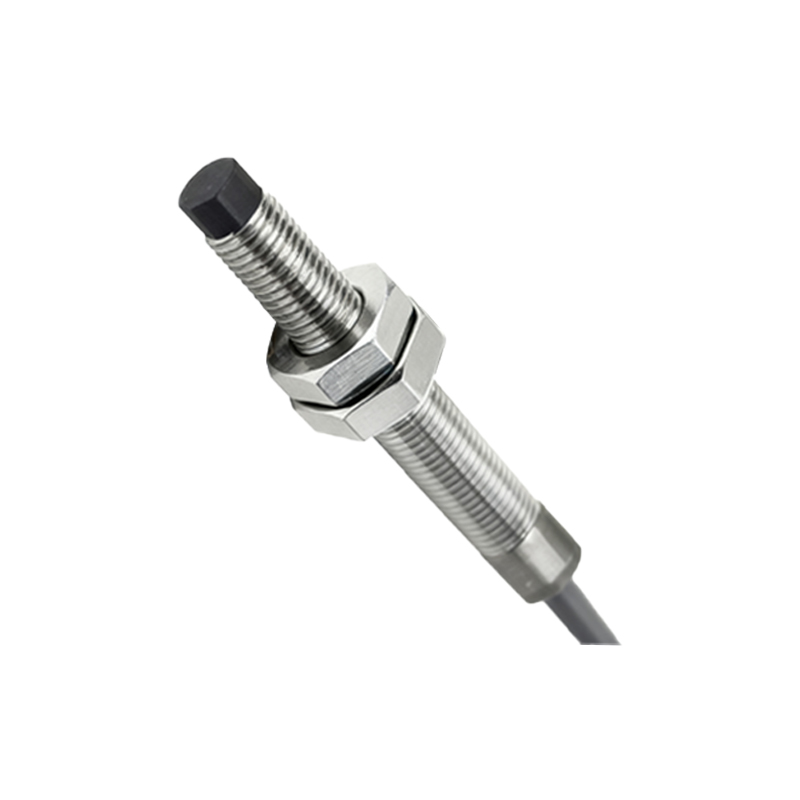
Troubleshooting common issues involves a systematic approach. If a sensor fails to detect a target, verify the power supply voltage, check for physical damage or buildup of debris on the sensing face, and ensure the target material and size are within specifications. False triggering can often be traced to electrical noise; using shielded cables and proper grounding usually resolves this. For persistent problems, consulting the manufacturer's datasheet for diagnostic LED indicators and output signal testing is recommended. Regular preventive maintenance, including cleaning the sensing face and checking cable integrity, significantly reduces unexpected downtime.
In conclusion, the GX108 proximity sensor is a fundamental, reliable component for enabling automated control and safety. Its design balances sensitivity, ruggedness, and ease of integration. By understanding its working principles, respecting its installation guidelines, and applying it within its specified parameters, engineers and technicians can leverage the GX108 to build more efficient, reliable, and intelligent automated systems, forming the silent, unseen backbone of modern manufacturing.