In industrial automation and harsh environment applications, proximity sensors play a critical role in detecting the presence or absence of objects without physical contact. Among various types, corrosion-resistant proximity sensors are specifically engineered to withstand aggressive chemical, marine, or high-humidity conditions, ensuring reliable operation and longevity. This article delves into the fundamental principles, design considerations, and operational mechanisms of these robust sensing devices.
At their core, corrosion-resistant proximity sensors operate on the same basic principles as standard inductive, capacitive, or magnetic sensors. Inductive sensors, the most common type for metal detection, generate an electromagnetic field via a coil and oscillator circuit. When a metallic object enters this field, eddy currents are induced, causing a change in oscillation amplitude or frequency. This change is detected by a threshold circuit, which triggers an output signal. Capacitive sensors, suitable for both metallic and non-metallic materials, measure changes in capacitance between the sensor's electrode and the target object. Magnetic sensors, including reed switches or Hall-effect types, respond to magnetic fields, often used with permanent magnets.
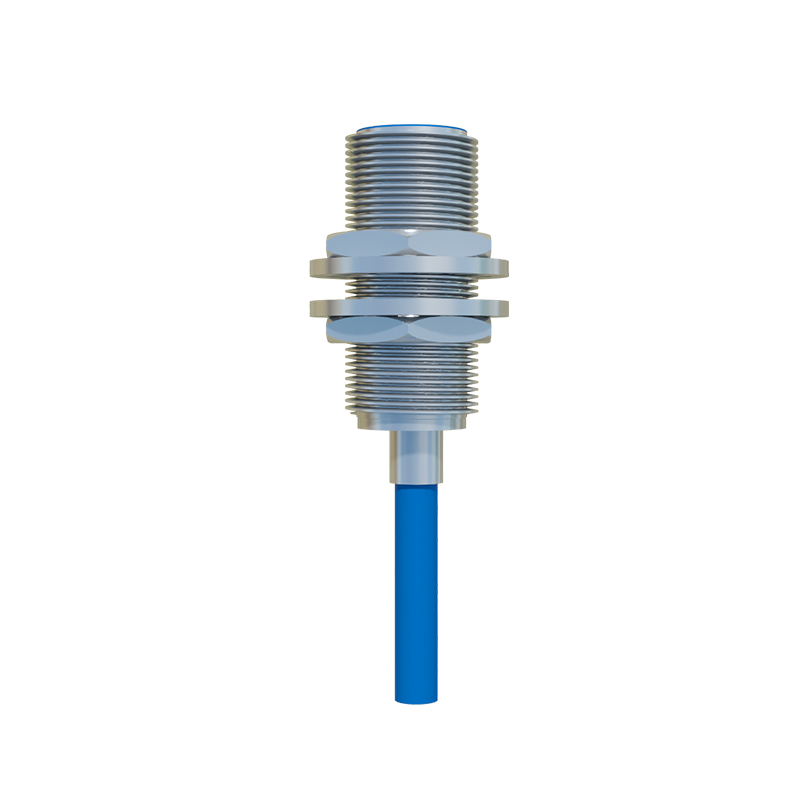
What sets corrosion-resistant variants apart is their specialized construction and material selection. The housing, typically made from stainless steel (such as grades 316L or 304), nickel-plated brass, or advanced polymers like PPS (polyphenylene sulfide) or PVDF (polyvinylidene fluoride), provides a robust barrier against corrosive agents. These materials resist oxidation, acid, alkali, and saltwater exposure, common in industries like chemical processing, marine, food and beverage, and wastewater treatment. The sensor face or sensing surface is often sealed with epoxy resin or similar compounds to prevent ingress of liquids and corrosive gases. Additionally, the electrical connections and cable entries are designed with IP (Ingress Protection) ratings, commonly IP67, IP68, or IP69K, ensuring protection against dust and high-pressure water jets, which further mitigates corrosion risks.
The internal electronics are also protected through conformal coatings—thin protective layers applied to circuit boards—that shield against moisture, salt spray, and chemical vapors. In some designs, hermetic sealing is employed to completely isolate sensitive components from the external environment. This comprehensive protection ensures that the sensor's performance remains stable, with minimal drift in sensing distance or output characteristics over time, even when exposed to harsh conditions.
From an operational perspective, these sensors maintain precise detection capabilities. The sensing range, though slightly affected by the protective housing, is optimized through careful design. For inductive sensors, the reduced electromagnetic field penetration due to thicker housing walls is compensated by using higher-frequency oscillators or sensitive amplifier circuits. Calibration is often performed to account for material thickness and environmental factors, ensuring consistent detection of targets. In capacitive sensors, the dielectric properties of the protective face material are considered to avoid false triggers from moisture or contaminant buildup.
Applications of corrosion-resistant proximity sensors are widespread in demanding settings. In offshore oil rigs, they monitor equipment position while resisting saltwater corrosion. In chemical plants, they detect valve positions or tank levels amidst acidic fumes. Food industry lines use them for container counting, with materials safe for washdowns involving caustic cleaners. Their durability reduces maintenance needs and downtime, offering a cost-effective solution despite a higher initial investment compared to standard sensors.
In summary, corrosion-resistant proximity sensors integrate standard sensing principles with advanced material science and sealing technologies. By prioritizing durability against corrosive elements, they enable reliable non-contact detection in challenging environments, underpinning safety and efficiency in modern industrial systems. As industries evolve towards harsher operational conditions, the development of even more resilient sensor designs continues, driven by innovations in materials and protective techniques.