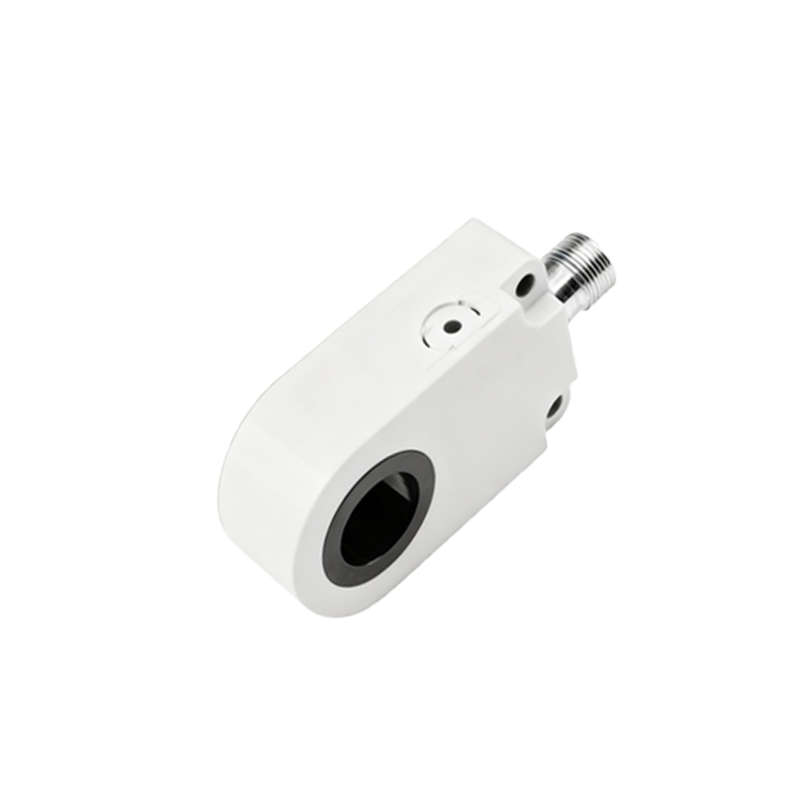
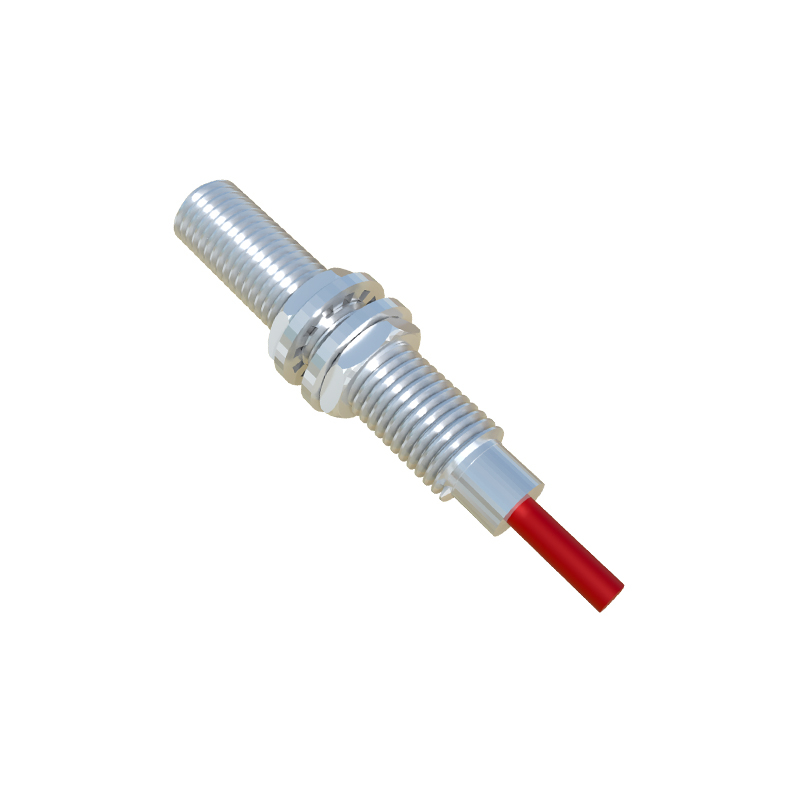
In the rapidly evolving landscape of industrial automation, proximity sensors have become indispensable components, enabling non-contact detection of objects and ensuring seamless operations across manufacturing, packaging, robotics, and automotive sectors. As demand surges, selecting the right proximity sensor supply company is critical for system reliability, efficiency, and cost-effectiveness. This article delves into the leading players in the proximity sensor supply chain and outlines essential criteria for making informed procurement decisions.
The global market for proximity sensors is dominated by several established manufacturers and distributors, each offering distinct advantages. Companies like Omron, Schneider Electric, and Siemens are renowned for their high-precision inductive, capacitive, and ultrasonic sensors, which cater to diverse industrial environments. Omron, for instance, provides robust sensors with exceptional durability in harsh conditions, while Siemens focuses on integrating sensors with IoT-enabled systems for smart factory applications. Additionally, specialized suppliers such as Balluff and Pepperl+Fuchs excel in offering customized solutions for niche industries, including food processing and pharmaceuticals, where hygiene and safety standards are paramount. Distributors like Digi-Key and Mouser Electronics also play a vital role by supplying a wide range of sensor brands, ensuring availability and quick delivery for urgent projects.
When evaluating proximity sensor supply companies, several factors must be considered to align with specific operational needs. First, product quality and certification are non-negotiable; look for suppliers adhering to international standards like ISO 9001 and IEC 60947, which guarantee consistency and safety. Sensor performance metrics, such as detection range, response time, and environmental resistance (e.g., to dust, moisture, or extreme temperatures), should match application requirements. For example, in automotive assembly lines, high-speed inductive sensors with millisecond response times are essential to maintain production flow.
Second, technical support and after-sales service are crucial differentiators. Top-tier companies offer comprehensive resources, including datasheets, configuration tools, and engineering assistance, to help integrate sensors into complex systems. A supplier with a global support network can minimize downtime by providing timely maintenance and troubleshooting. Third, supply chain reliability is key—assess the company’s inventory management, lead times, and flexibility in handling bulk orders or custom designs. In today’s volatile market, disruptions can halt production, so partnering with a supplier known for resilient logistics is advantageous.
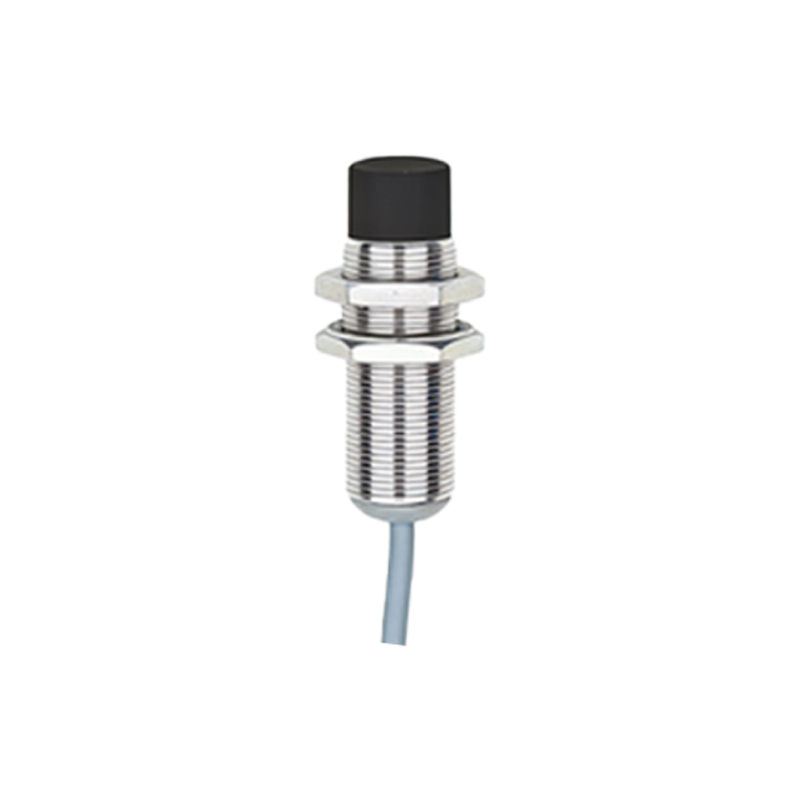
Cost considerations extend beyond the initial purchase price. Total cost of ownership (TCO) includes factors like energy consumption, maintenance needs, and compatibility with existing infrastructure. Some suppliers offer energy-efficient sensors that reduce long-term operational expenses, while others provide modular designs for easy upgrades. Additionally, digital tools like online configurators or simulation software can streamline selection and reduce implementation costs.
Emerging trends are reshaping the proximity sensor supply industry. The rise of Industry 4.0 has driven demand for smart sensors with embedded connectivity, such as IO-Link or Ethernet/IP, enabling real-time data exchange and predictive maintenance. Suppliers investing in these technologies are better positioned to support future automation needs. Sustainability is another growing focus, with companies developing sensors using eco-friendly materials and processes to meet regulatory and corporate green initiatives.
In conclusion, choosing a proximity sensor supply company requires a balanced approach, weighing product excellence, support services, and adaptability to technological shifts. By partnering with reputable suppliers that prioritize innovation and customer-centric solutions, businesses can enhance their automation systems’ performance and drive long-term growth in a competitive industrial landscape.