In the realm of industrial automation and control systems, proximity switch sensors stand as fundamental components for non-contact object detection. Among the diverse form factors available, the three-wire square housing configuration represents a particularly robust and versatile design, widely adopted across manufacturing, packaging, material handling, and automotive assembly lines. This article delves into the technical specifics, operational principles, and critical selection criteria for proximity sensors featuring a three-wire DC interface encased in a square housing.
The defining characteristic of this sensor type is its three-wire DC connection scheme, which typically comprises a brown wire for positive supply voltage (V+), a blue wire for the common negative or ground (0V), and a black wire as the switched output signal line. This configuration is standard for DC sensors, providing either a PNP (sourcing) or NPN (sinking) output. The square housing, often constructed from nickel-plated brass, stainless steel, or high-grade PBT plastic, offers significant advantages. Its symmetrical shape allows for easier and more secure mounting in confined spaces or on standard DIN rails using appropriate brackets. The flat surfaces facilitate multi-side sensing capabilities in some models and provide better sealing against coolants, oils, and particulate matter, often achieving protection ratings of IP67 or higher.
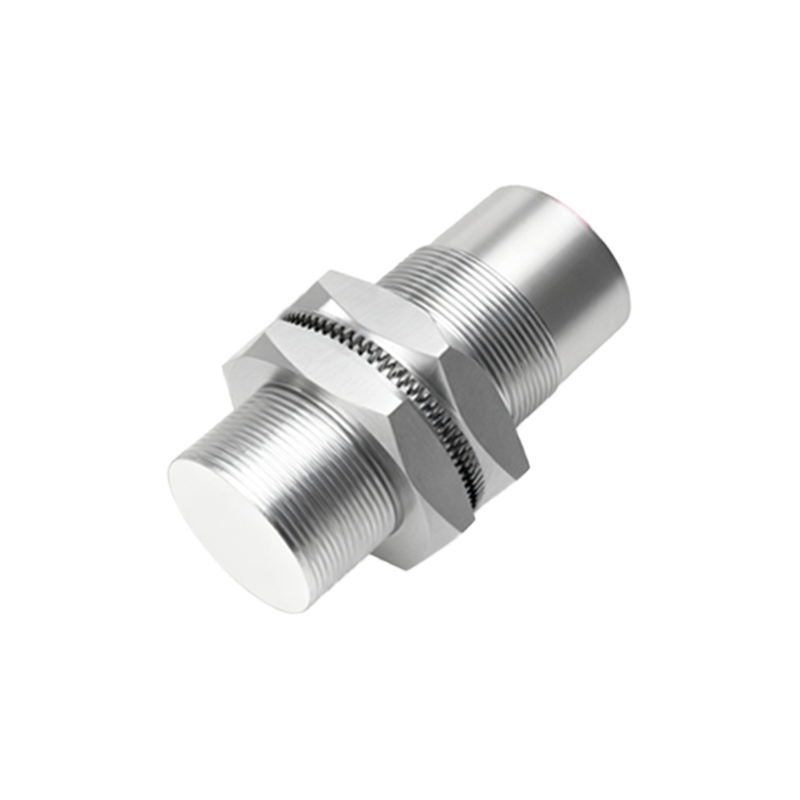
Operationally, these inductive proximity sensors (the most common type in metal detection applications) generate an electromagnetic field from the sensing face. When a metallic target enters this field, it causes a change in oscillation amplitude, which is detected by the internal circuitry, triggering a state change in the solid-state output switch. The three-wire design integrates the necessary electronics for this signal conditioning and output driving within the compact housing. For capacitive variants used for non-metallic object detection, the principle involves changes in capacitance, but the external three-wire square housing remains functionally identical, emphasizing interchangeability and mounting consistency.
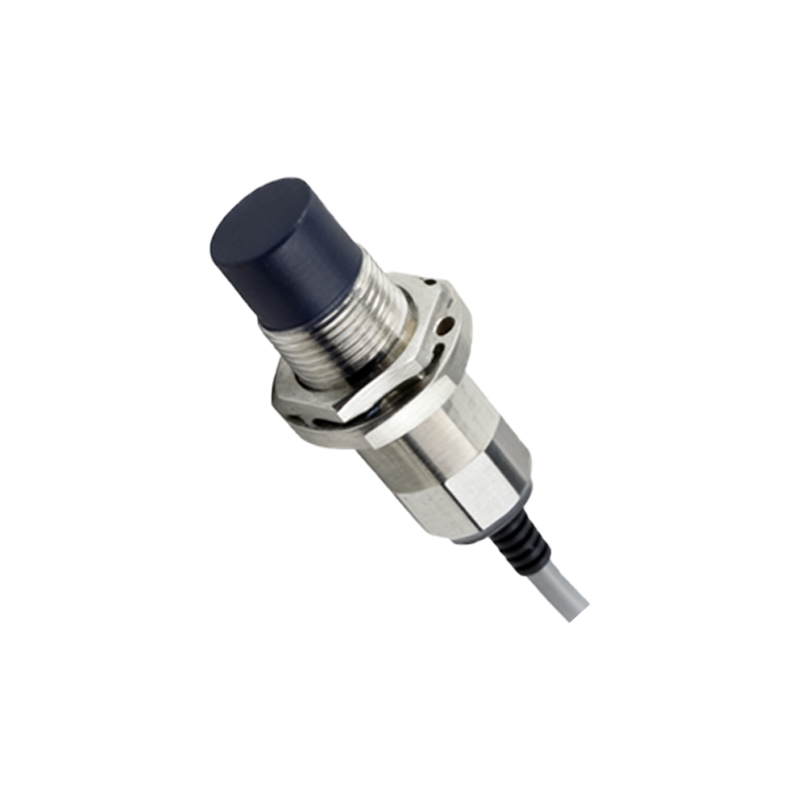
Key technical parameters demand careful evaluation during selection. The sensing distance, or nominal range, is paramount and is specified for a standard target. It is crucial to note that this range can be influenced by the target material, size, and shape. The square housing's flat face often provides a slightly shorter but more consistent sensing field compared to cylindrical barrels. Supply voltage range is another critical factor; most three-wire DC models operate from 10-30V DC, ensuring compatibility with standard PLC and control cabinet voltages. Output current capacity, response frequency, and temperature operating range must also align with the application's demands.
The benefits of opting for a three-wire square-housed proximity sensor are multifold. The standardized wiring simplifies installation and reduces errors, as the color-coding is universally recognized. The square form factor enhances mechanical stability and resistance to twisting forces during installation or from incidental contact. From a maintenance perspective, their rugged construction ensures long-term reliability in harsh environments, minimizing downtime. Furthermore, the extensive adoption of this design means broad availability from numerous manufacturers, fostering competitive pricing and ensuring easy replacement or system expansion.
When integrating these sensors, practical considerations are essential. Ensure adequate clearance around the housing for heat dissipation and to prevent false triggering from adjacent metal structures (the manufacturer's datasheet specifies side and rear clearance requirements). The mounting method—whether direct threading, bracket-based, or via a slot—should be chosen based on vibration levels and required adjustability. Always verify the output type (PNP or NPN) matches the input characteristics of your controller to avoid interface issues. For applications involving different target materials or extreme environmental conditions, consulting the sensor's detailed specifications for material-specific correction factors and environmental ratings is non-negotiable.
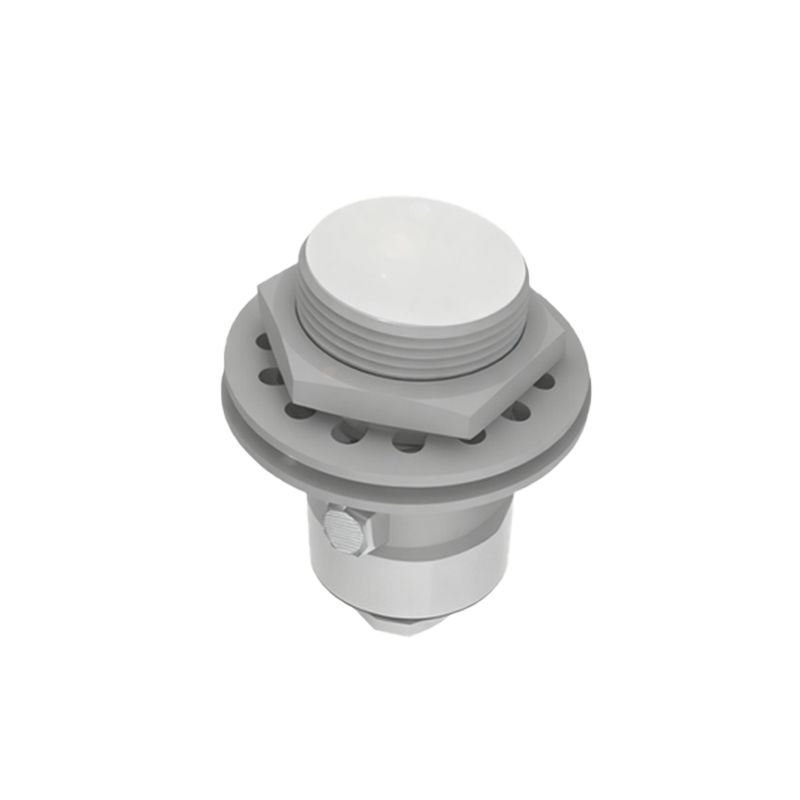
In conclusion, the three-wire square housing proximity sensor is a cornerstone of modern industrial sensing. Its blend of electrical simplicity, mechanical robustness, and installation flexibility makes it a preferred choice for engineers designing reliable and efficient automated systems. By understanding its design principles and meticulously matching its specifications to the application requirements, one can leverage its full potential to enhance machine safety, precision, and operational throughput.