In the rapidly evolving landscape of electronic components, the ultra-thin proximity sensor stands out as a pivotal innovation, driving miniaturization and enhancing user experience across countless applications. Unlike their bulkier predecessors, these sensors embody a paradigm shift towards sleeker, more integrated, and highly responsive detection technology. Their defining characteristic is an exceptionally slim profile, often measuring less than a millimeter in thickness, which allows for seamless integration into the most space-constrained environments without compromising performance.
The core technology behind ultra-thin proximity sensors typically involves capacitive or infrared (IR) sensing principles, engineered into an ultra-compact form factor. Capacitive variants detect changes in an electrical field caused by the presence of a conductive or dielectric object, while IR sensors emit an invisible beam of light and measure its reflection. Advances in micro-electromechanical systems (MEMS), flexible printed circuit boards (PCBs), and novel materials have been instrumental in achieving this remarkable thinness. These sensors are designed to operate with high precision, detecting objects within a defined short range—from a few millimeters to several centimeters—while consuming minimal power, a critical feature for battery-operated devices.
The applications for these sensors are vast and transformative. In the consumer electronics sector, they are ubiquitous in smartphones and tablets, where they manage display behavior during calls to prevent accidental screen touches. Their thinness is crucial for modern bezel-less phone designs. The automotive industry integrates them into touch-sensitive control panels, seat occupancy detection systems, and gesture-controlled interfaces, contributing to both safety and a futuristic user interface. In industrial settings, ultra-thin sensors enable precise object detection on high-speed assembly lines and within robotic arms, where space is at a premium. Furthermore, the advent of flexible and even transparent variants opens doors for innovative applications in wearable technology, interactive retail displays, and next-generation medical devices where sensor visibility or conformity to curved surfaces is essential.
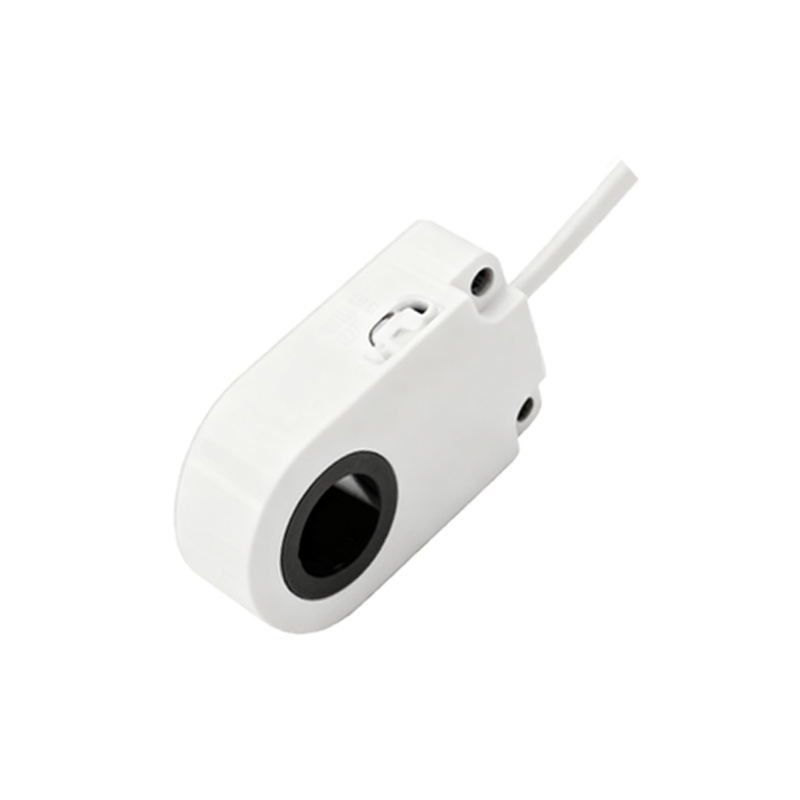
The advantages of adopting ultra-thin proximity sensors are compelling. Their minimal spatial footprint allows product designers to pursue more aggressive miniaturization or allocate freed-up space to other components like larger batteries. This leads directly to more compact, lightweight, and aesthetically pleasing end products. Enhanced reliability is another key benefit; with fewer moving parts and robust solid-state construction, they are less prone to mechanical failure. Their low power consumption extends the operational life of portable devices. From a manufacturing perspective, their standardized, compact form often simplifies the assembly process, allowing for automated pick-and-place installation.
However, the design and implementation of such sensors are not without challenges. The extreme miniaturization can sometimes impose trade-offs with detection range or sensitivity compared to larger sensors. Engineers must carefully shield these sensors from electromagnetic interference (EMI), which can be more pronounced in dense electronic assemblies. Environmental factors like condensation, dust, or extreme temperatures also require thoughtful sealing and material selection. Ensuring consistent performance across various object materials, colors, and surface properties remains an ongoing area of refinement.
Looking ahead, the future of ultra-thin proximity sensing is intertwined with broader technological trends. Integration with the Internet of Things (IoT) is a major driver, as these sensors provide the essential "touch" or "presence" input for smart devices in homes, offices, and cities. The convergence with artificial intelligence will enable smarter contextual awareness, where sensors not only detect presence but also interpret gestures or user intent. Research into organic and biodegradable materials points toward a future of eco-friendly, disposable sensors for specialized applications. As the demand for invisible, seamless interactivity grows, ultra-thin proximity sensors will continue to be a fundamental enabler, embedded into fabrics, building materials, and even human skin in the form of advanced biomedical patches.
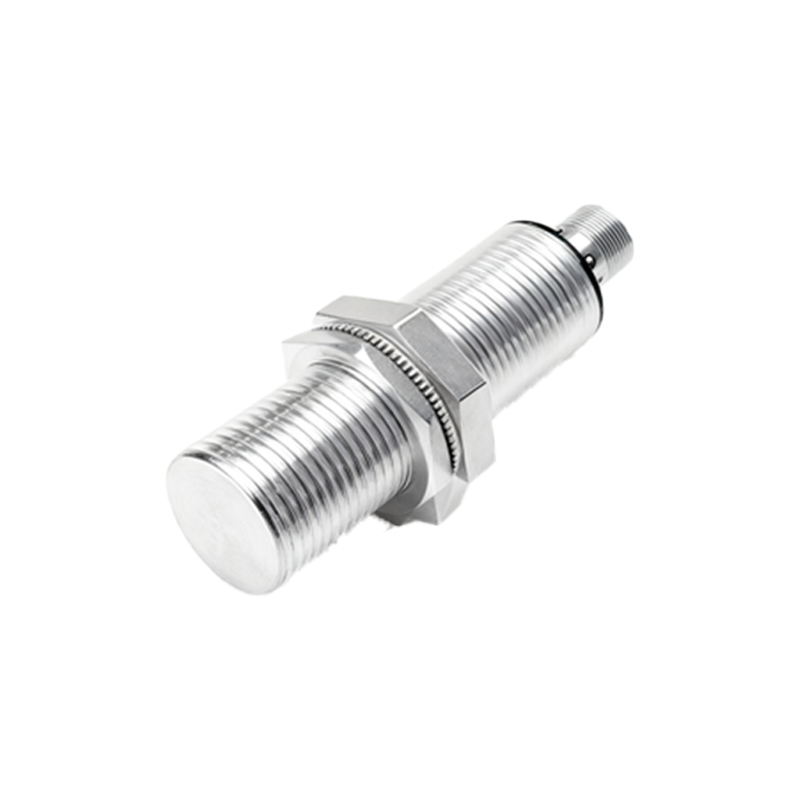
In conclusion, the ultra-thin proximity sensor is far more than just a smaller component. It is a critical catalyst for innovation, empowering designers to break physical constraints and create more intuitive, responsive, and integrated technological experiences. As material science and semiconductor fabrication techniques advance, these sensors will become even more pervasive, reliable, and intelligent, solidifying their role as an indispensable element in the silent, seamless dialogue between humans and machines.