In today's increasingly congested urban environments and complex parking scenarios, the simple act of reversing a vehicle has become a task fraught with potential hazards. From navigating tight multi-story parking garages to avoiding unseen obstacles in a home driveway, drivers require more assistance than ever before. This is where reverse proximity sensors, also known as rear parking sensors, have transitioned from a luxury add-on to an essential safety feature in modern automotive design. These unassuming devices play a critical role in preventing collisions, reducing driver stress, and protecting both property and pedestrians.
The fundamental technology behind most reverse proximity sensors is ultrasonic ranging. Typically, four to six small sensor units are embedded inconspicuously into the vehicle's rear bumper. When the driver engages reverse gear, these sensors emit high-frequency ultrasonic pulses, inaudible to the human ear. These sound waves travel outward until they encounter an object, at which point they reflect back to the sensor. An electronic control unit (ECU) then calculates the distance to the object based on the time it takes for the pulse to return. This information is relayed to the driver through an auditory and/or visual warning system.
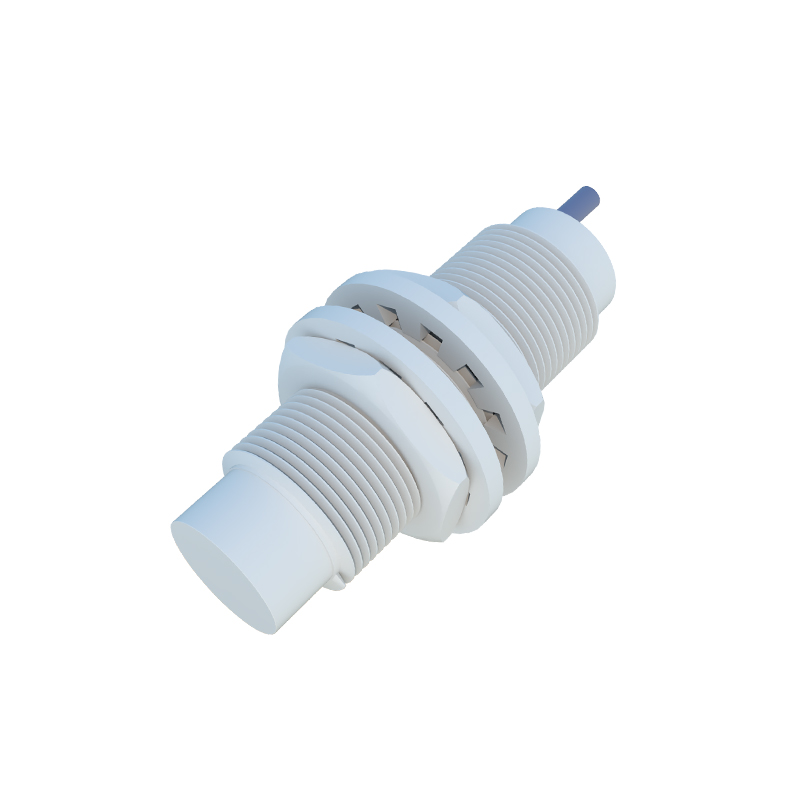
The auditory warning is the most common form of feedback. It usually consists of an intermittent beeping sound that increases in frequency as the vehicle gets closer to an obstacle. When the object is within a critical distance—often around 30 centimeters—the beeping typically becomes a continuous tone, signaling the driver to stop immediately. Higher-end systems integrate this data with the vehicle's infotainment display or instrument cluster, providing a visual representation of the car's rear end and the relative position of detected obstacles. Some systems even use color-coding, shifting from green to yellow to red as the distance decreases.
The benefits of these systems are substantial. The primary advantage is the significant reduction in low-speed reversing collisions. These incidents, while often minor, can lead to costly repairs for both the reversing vehicle and the struck object, which could be another car, a bicycle, a wall, or playground equipment. More importantly, sensors provide a crucial safety net for detecting small children, pets, or low-lying objects like posts or curbs that fall into the driver's blind spot. They effectively extend the driver's perception beyond the limits of mirrors and direct line-of-sight, especially in vehicles with poor rear visibility, such as SUVs, trucks, and vans.
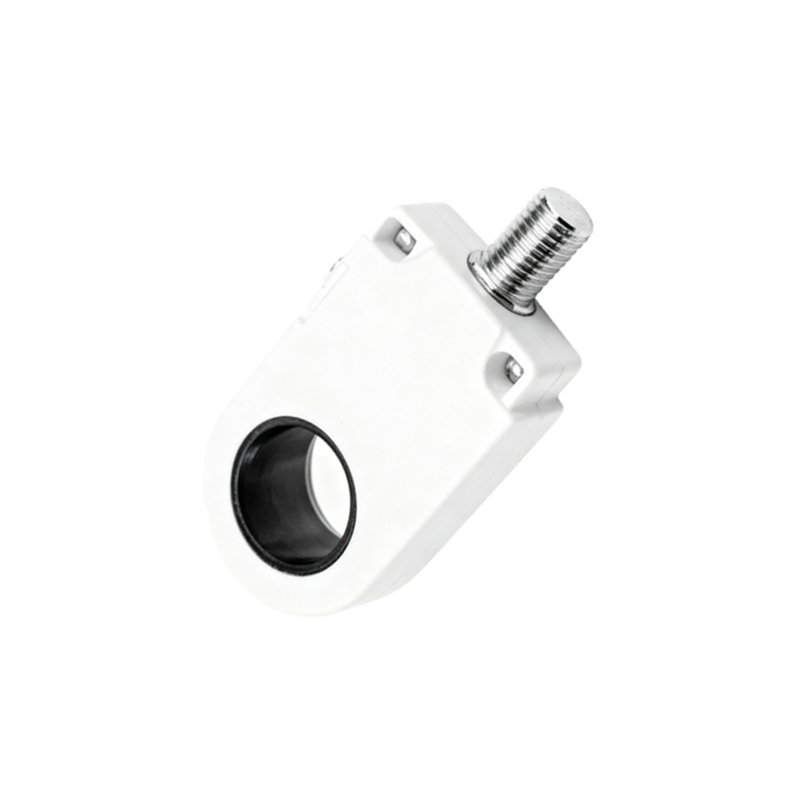
While ultrasonic sensors dominate the market, other technologies are emerging and integrating with them. Electromagnetic sensors, which create an invisible field around the vehicle, offer a different approach without the need for visible bumper cutouts. Furthermore, the modern trend is toward sensor fusion. Reverse proximity sensors are rarely standalone systems anymore. They are increasingly integrated with rear-view cameras to provide a comprehensive picture. The camera gives a wide-angle visual context, while the sensors provide precise, real-time distance measurements for areas immediately behind the bumper, even at night or in poor weather when camera visibility is compromised. This combination is now a regulatory requirement in many regions, including the United States.
For vehicle owners considering an aftermarket installation, the market offers a wide range of kits. These can be broadly categorized into two types: bumper-drill systems and surface-mounted systems. Bumper-drill systems offer a more factory-original, aesthetic look with sensors embedded into the bumper but require professional installation for drilling and painting. Surface-mounted systems are easier to install as a DIY project, adhering to the bumper's surface, though they are more visibly apparent. The choice depends on the owner's budget, desired aesthetic, and technical confidence.
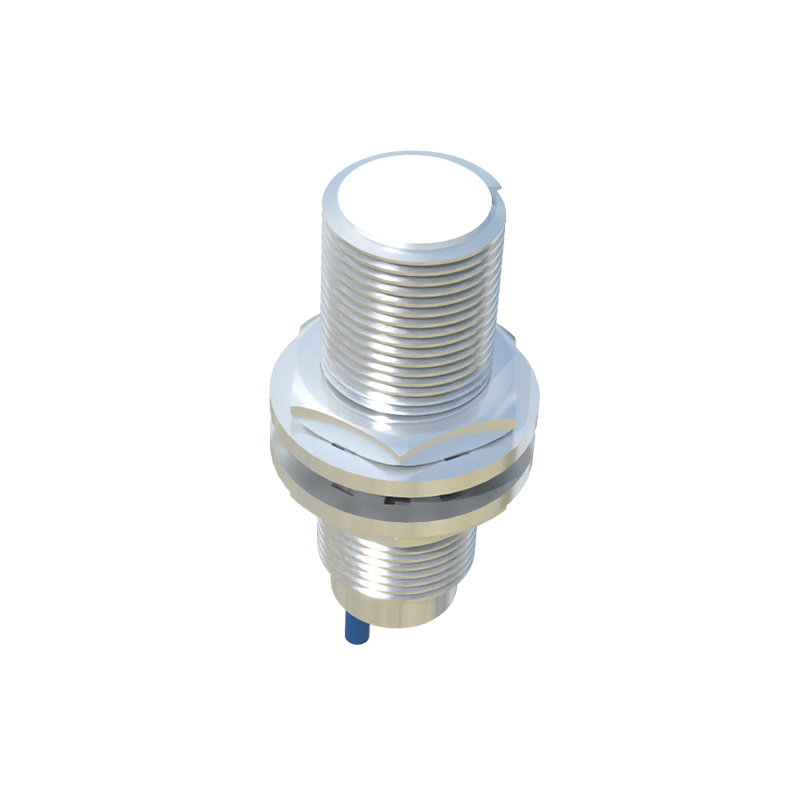
Like any technology, reverse sensors have limitations that drivers must understand. They may not reliably detect very thin objects like wires or vertical poles at certain angles. Their performance can also be temporarily impaired by heavy dirt, ice, or snow covering the sensor faces, emphasizing the need to keep the bumper clean. Most critically, drivers must avoid over-reliance. The sensors are an aid, not a replacement for attentive driving. A driver should always use mirrors, look over their shoulder, and be aware of their surroundings, using the sensor warnings as a final confirmation.
Looking ahead, the role of the reverse proximity sensor is evolving within the broader ecosystem of Advanced Driver-Assistance Systems (ADAS). They form a foundational data point for features like automated parking assistance, where the car can take control of steering to parallel or perpendicular park itself. In the trajectory toward higher levels of vehicle automation, the precise short-range environmental data provided by these sensors remains indispensable.
In conclusion, reverse proximity sensors represent a mature, effective, and cost-efficient automotive safety technology. By providing an accurate second sense for the rear of the vehicle, they mitigate a common source of property damage and personal injury. As part of an integrated safety suite with cameras and other warning systems, they empower drivers to maneuver with greater confidence and control, making the roads and