In the realm of industrial automation and control systems, proximity sensor transducers play a pivotal role in enabling non-contact detection and measurement. A proximity sensor transducer is essentially a device that converts the presence or absence of an object into an electrical signal without any physical contact. This technology is fundamental to modern manufacturing, robotics, and safety systems, offering reliability, durability, and precision in harsh environments.
At its core, a proximity sensor transducer operates based on various physical principles, with the most common types being inductive, capacitive, ultrasonic, and photoelectric. Inductive proximity sensors are widely used for detecting metallic objects. They generate an electromagnetic field and sense changes caused by metallic targets, converting these changes into a switch signal. These sensors are ideal for applications involving machinery, conveyor systems, and automotive assembly lines due to their robustness and immunity to environmental factors like dust or moisture.
Capacitive proximity sensors, on the other hand, can detect both metallic and non-metallic materials, such as plastics, liquids, or wood. They work by measuring changes in capacitance when an object enters their electrical field. This makes them suitable for level detection in tanks, material handling, and packaging industries. Ultrasonic proximity sensors utilize sound waves to detect objects, offering long-range capabilities and the ability to sense transparent or irregularly shaped items. They are commonly found in obstacle detection for automated guided vehicles (AGVs) and liquid level monitoring.
Photoelectric proximity sensors employ light beams, typically infrared, to sense objects. They consist of an emitter and a receiver, and when an object interrupts the light beam, the sensor triggers an output. These sensors are versatile, used in counting applications, door control, and precision positioning systems. Each type of proximity sensor transducer has its unique advantages, and selection depends on factors like target material, sensing distance, environmental conditions, and required output.
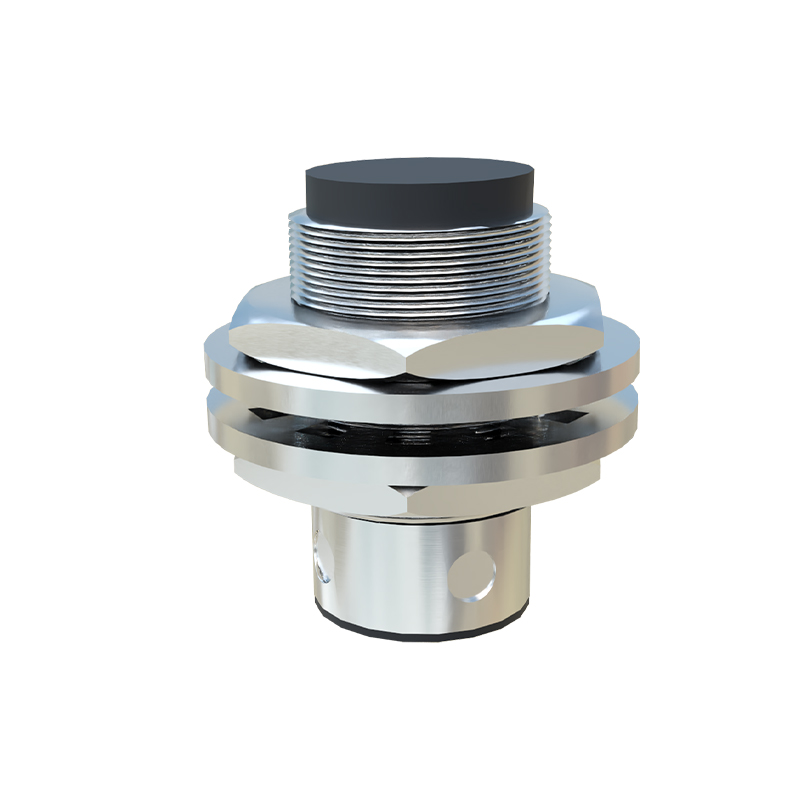
The transducer component within these sensors is crucial, as it converts the detected physical phenomenon—such as changes in electromagnetic fields, capacitance, sound waves, or light—into a standardized electrical signal, often a digital ON/OFF switch or an analog voltage/current output. This signal can then be interfaced with programmable logic controllers (PLCs), microcontrollers, or other control systems to automate processes, enhance safety, or monitor equipment status. For instance, in a production line, proximity sensor transducers can detect the position of components, trigger robotic arms, or prevent collisions, thereby improving efficiency and reducing downtime.
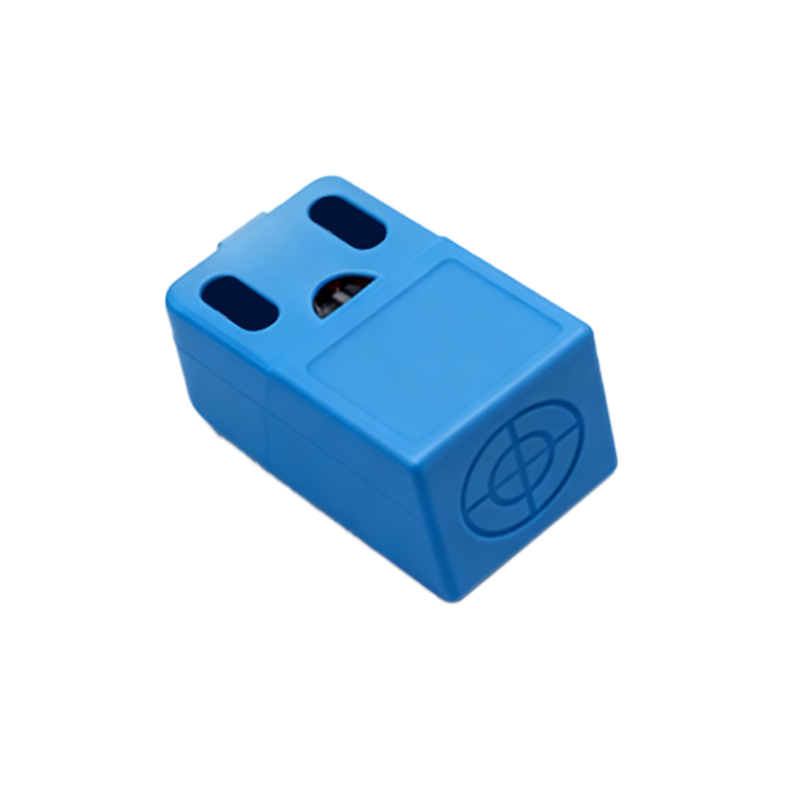
Applications of proximity sensor transducers span across numerous industries. In automotive manufacturing, they ensure precise assembly by detecting parts on moving belts. In food and beverage processing, capacitive sensors monitor liquid levels without contamination. In aerospace, inductive sensors contribute to landing gear safety. Moreover, their non-contact nature minimizes wear and tear, leading to lower maintenance costs and longer service life compared to mechanical switches.
When integrating proximity sensor transducers, engineers must consider specifications such as sensing range, response time, output type (e.g., NPN or PNP for DC sensors), and environmental ratings like IP67 for water and dust resistance. Proper installation and calibration are essential to avoid false triggers from interference or background noise. Advances in technology have led to smart sensors with integrated diagnostics and communication protocols like IO-Link, enabling real-time data exchange and predictive maintenance.
In summary, proximity sensor transducers are indispensable tools in industrial automation, offering accurate, contactless detection for diverse applications. By understanding their working principles and selecting the appropriate type, engineers can optimize system performance, ensure safety, and drive innovation in automated processes. As industries evolve towards Industry 4.0, these sensors will continue to be integral to smart factories and IoT-enabled systems, providing the sensing capabilities needed for efficient and reliable operations.