Proximity switch sensors are indispensable components in modern industrial automation, offering non-contact detection of metallic and non-metallic objects with high precision and reliability. As an experienced electrical engineer, I have witnessed the evolution of these sensors from basic inductive models to sophisticated capacitive, ultrasonic, and photoelectric variants. Manufacturers play a pivotal role in advancing this technology, driving innovations that enhance efficiency, safety, and adaptability across diverse applications—from automotive assembly lines to food processing plants.
The global market for proximity sensors is highly competitive, with key manufacturers specializing in distinct technologies. Inductive proximity switches, for instance, are ideal for detecting ferrous metals and are widely produced by industry leaders like Siemens, Omron, and Schneider Electric. These companies invest heavily in R&D to improve sensing ranges, environmental resistance (e.g., to dust, moisture, and extreme temperatures), and integration with IoT systems. Capacitive sensors, capable of detecting materials like plastics or liquids, are a forte of manufacturers such as Pepperl+Fuchs and Balluff, who focus on customization for niche industries like packaging or pharmaceuticals.
Selecting the right manufacturer involves evaluating technical specifications, but also considering factors like supply chain stability, compliance with international standards (e.g., IEC 60947-5-2), and after-sales support. Top-tier manufacturers distinguish themselves by offering comprehensive documentation, simulation tools for installation planning, and modular designs that simplify maintenance. For example, some brands provide sensors with embedded diagnostics that communicate via IO-Link, enabling predictive maintenance and reducing downtime—a critical advantage in Industry 4.0 environments.
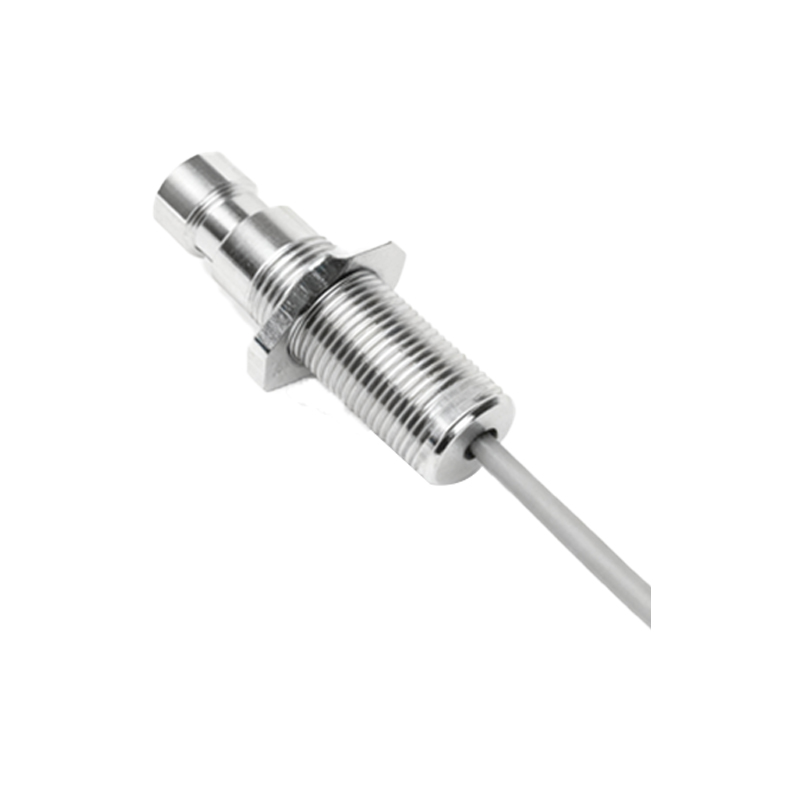
Emerging trends are reshaping the manufacturer landscape. Miniaturization demands are pushing companies like Turck and Keyence to develop compact sensors without sacrificing performance. Meanwhile, the rise of smart factories has spurred collaborations between sensor manufacturers and software providers to create unified digital ecosystems. Sustainability is another driver; forward-thinking manufacturers are adopting eco-friendly materials and energy-efficient designs, aligning with global regulations like the EU’s RoHS directive.
In practice, engineers must balance cost with longevity. While budget-oriented manufacturers may offer lower upfront prices, premium brands often deliver superior durability—a vital consideration in high-cycle operations. Field testing and peer reviews are invaluable for assessing real-world performance. For instance, in harsh environments like mining or offshore drilling, sensors from specialized manufacturers like Ifm Electronic or Sick AG are preferred for their ruggedized housings and immunity to electromagnetic interference.
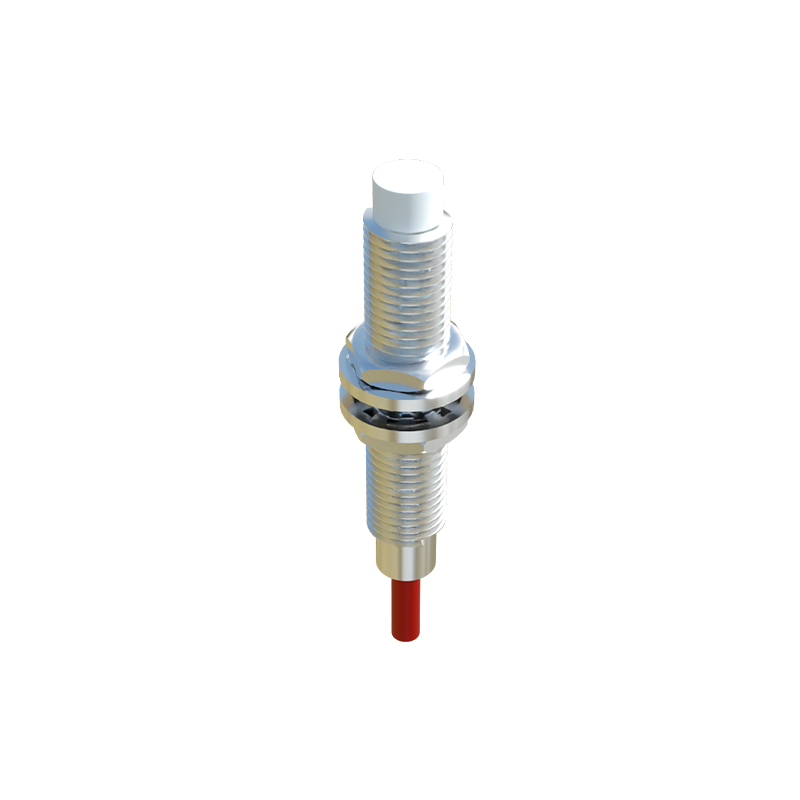
Ultimately, partnering with a reputable proximity switch sensor manufacturer is not merely a procurement decision but a strategic investment in operational resilience. By staying informed about technological advancements and market dynamics, engineers can leverage these components to optimize automation systems, reduce waste, and foster innovation. The future will likely see increased hybridization, with sensors combining multiple detection principles, and manufacturers expanding their portfolios to address evolving industrial challenges.