In the realm of industrial automation and control systems, proximity sensors play a pivotal role in enabling non-contact detection of objects. Among the various types available, the R7 series of proximity sensors stands out for its reliability, precision, and adaptability across diverse environments. This article delves into the core characteristics, operational principles, and practical applications of R7 proximity sensors, offering insights for engineers and technicians seeking to optimize their systems.
R7 proximity sensors are typically inductive sensors designed to detect metallic objects without physical contact. They operate on the principle of electromagnetic induction: an oscillator generates a high-frequency electromagnetic field from the sensor's active face. When a metallic object enters this field, eddy currents are induced in the object, causing a change in the oscillation amplitude. This change is detected by the sensor's circuitry, which then triggers an output signal—commonly a switching action via a solid-state or relay output. This non-contact nature minimizes wear and tear, ensuring longevity and reducing maintenance needs in harsh industrial settings.
Key features of the R7 series include robust construction, often with stainless steel or nickel-plated brass housings, making them resistant to mechanical impacts, chemicals, and extreme temperatures. Many models are rated IP67 or higher, providing excellent protection against dust and water ingress. The sensing range varies by model but is typically optimized for short to medium distances, ensuring accurate detection without false triggers. Additionally, R7 sensors often incorporate LED indicators for status monitoring and offer both normally open (NO) and normally closed (NC) output configurations, enhancing flexibility in circuit design.
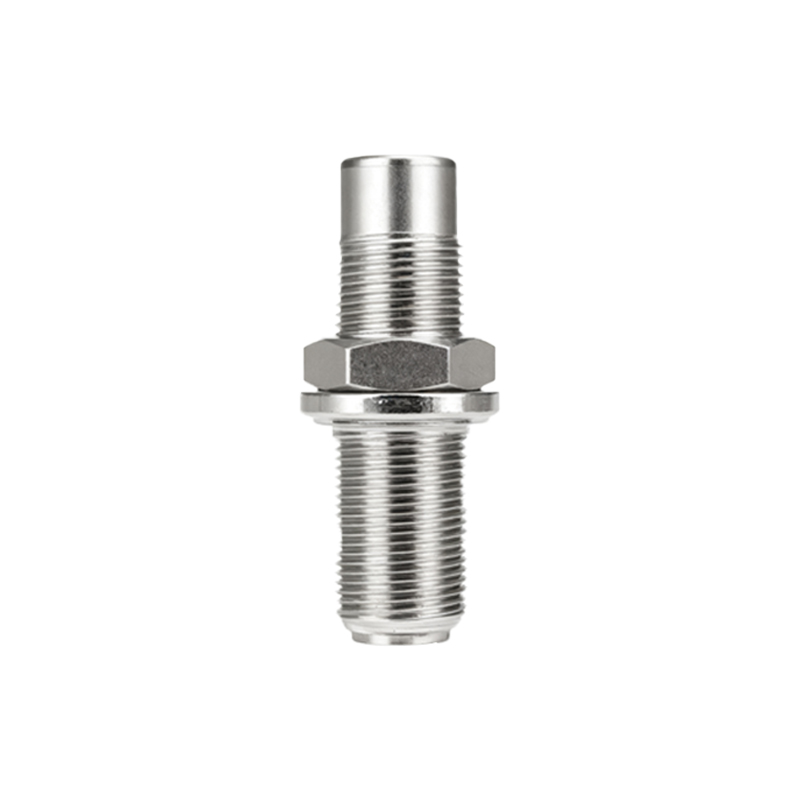
One of the standout advantages of R7 proximity sensors is their high switching frequency, allowing for rapid detection in high-speed applications such as conveyor systems, packaging machinery, and robotic assembly lines. They are also immune to ambient light interference, unlike optical sensors, making them ideal for dirty or oily environments where contamination could affect performance. Engineers appreciate their easy installation and alignment, thanks to standardized mounting options and clear marking of sensing distances.
In practice, R7 sensors find widespread use across industries. In automotive manufacturing, they monitor the position of metal components in engines or chassis. In material handling, they detect the presence of pallets or products on automated lines, ensuring smooth logistics. Food and beverage plants utilize them in stainless steel equipment for fill-level control or cap detection, leveraging their hygienic designs. Moreover, in heavy machinery, R7 sensors contribute to safety by confirming the closure of guards or the position of hydraulic cylinders.
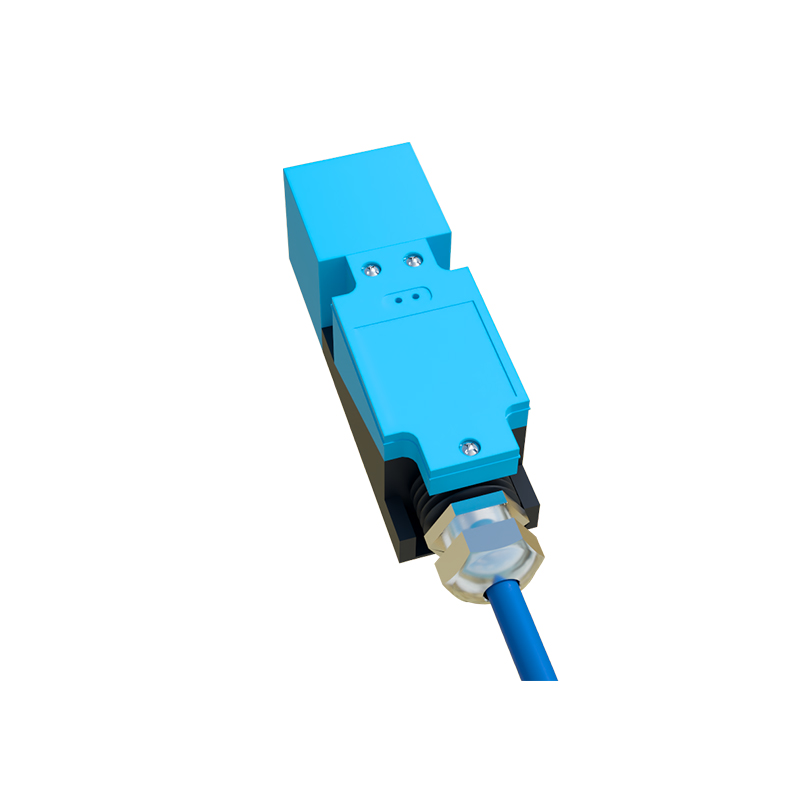
When selecting an R7 proximity sensor, factors to consider include the target material (ferrous vs. non-ferrous metals may affect sensing range), environmental conditions (temperature, humidity, and potential exposure to coolants), required sensing distance, and electrical specifications (voltage supply, output type, and current rating). Proper shielding and cable management are also crucial to prevent electromagnetic interference in sensitive setups.
Maintenance of R7 sensors is generally minimal, but regular checks for physical damage, contamination buildup, and signal integrity can prevent downtime. Calibration is rarely needed due to their stable performance, but verifying alignment with targets ensures consistent operation. As Industry 4.0 advances, many R7 models now integrate with IoT platforms, enabling predictive maintenance and real-time monitoring through digital interfaces.
In summary, R7 proximity sensors are a cornerstone of modern industrial automation, offering durability, accuracy, and versatility. Their ability to function reliably under demanding conditions makes them a preferred choice for engineers aiming to enhance efficiency and safety. By understanding their technical nuances and application scenarios, professionals can leverage these sensors to build resilient and intelligent systems that meet the evolving demands of manufacturing and beyond.