Proximity sensors are indispensable components in modern industrial automation, offering non-contact detection of objects with high reliability and precision. This comprehensive tutorial collection covers fundamental principles, types, selection criteria, installation practices, and troubleshooting methods for proximity sensors, tailored for engineers and technicians in the electrical and automation sectors.
1. Fundamentals of Proximity Sensors
Proximity sensors operate by emitting an electromagnetic field or beam and detecting changes in the field when an object enters its sensing range. Unlike mechanical switches, they require no physical contact, reducing wear and enabling faster response times. Key parameters include sensing distance, repeat accuracy, and output type (e.g., NPN/PNP, analog, or digital). Common technologies include inductive, capacitive, ultrasonic, and photoelectric sensors, each suited to specific materials and environments.
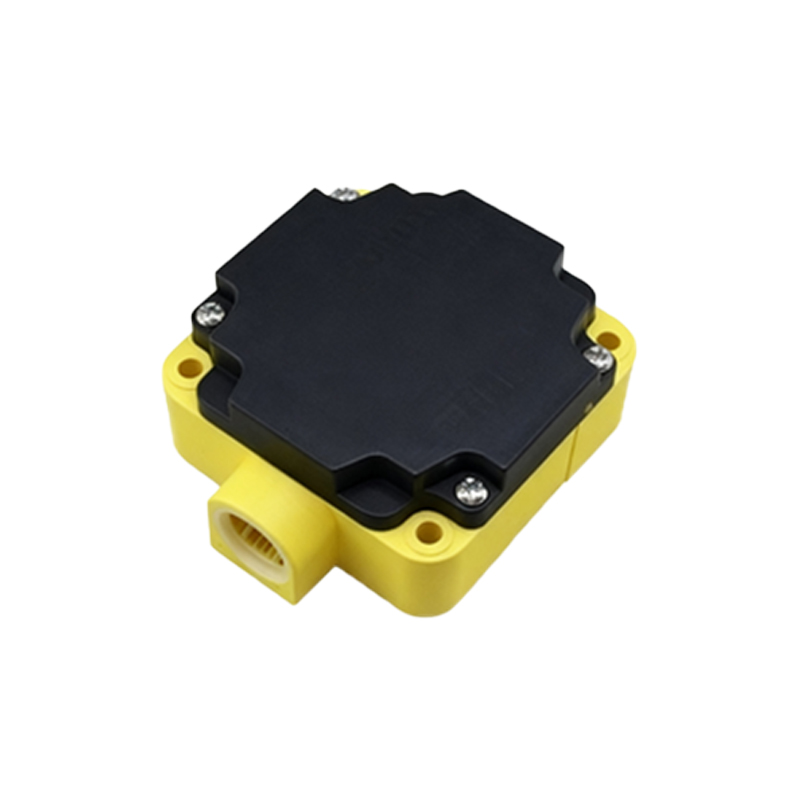
2. Types and Applications
- Inductive Proximity Sensors: Detect metallic objects using electromagnetic induction. Ideal for metal detection in machinery, position sensing in conveyors, and safety interlocks.
- Capacitive Proximity Sensors: Sense both metallic and non-metallic materials by measuring capacitance changes. Used in liquid level detection, plastic object counting, and material handling.
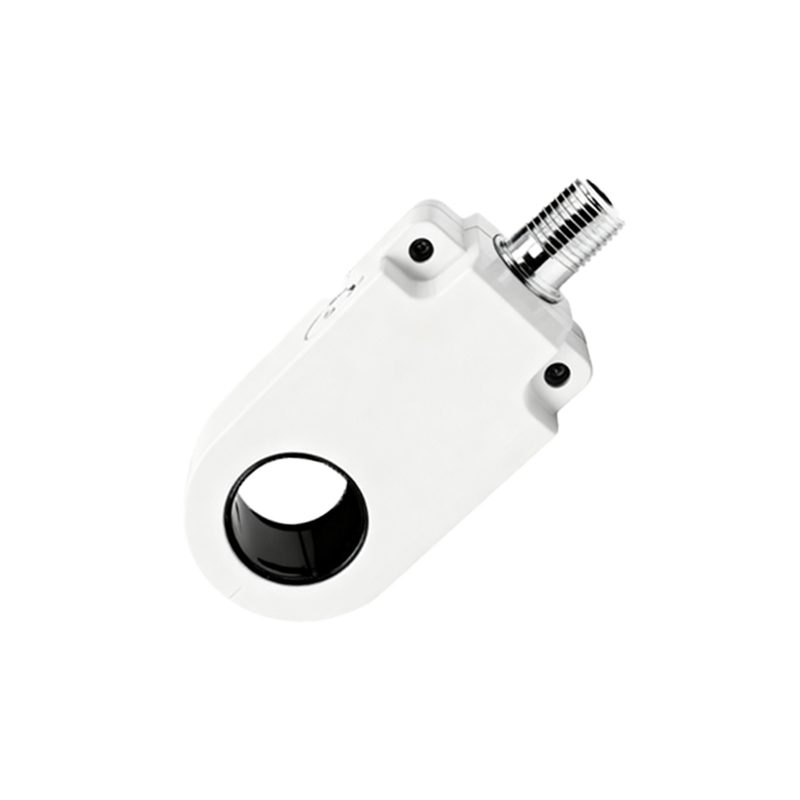
- Ultrasonic Sensors: Utilize sound waves to detect objects at longer ranges, effective in harsh conditions with dust or moisture. Applications include distance measurement and object profiling.
- Photoelectric Sensors: Employ light beams to detect objects, with variants like through-beam, retro-reflective, and diffuse reflective types. Common in packaging, assembly lines, and robotics.
3. Selection Guidelines
Choosing the right proximity sensor involves evaluating:
- Target Material: Metallic objects favor inductive sensors, while non-metallics require capacitive or ultrasonic types.
- Sensing Range: Ensure the sensor’s nominal range accommodates operational distances, considering factors like temperature and interference.
- Environmental Conditions: Assess exposure to dust, moisture, chemicals, or extreme temperatures. IP ratings (e.g., IP67 for waterproofing) and housing materials (e.g., stainless steel) enhance durability.
- Output Configuration: Match sensor outputs (e.g., NPN sinking or PNP sourcing) to control systems like PLCs or relays.
4. Installation and Wiring Best Practices
Proper installation maximizes sensor performance and longevity:
- Mount sensors securely to minimize vibration effects, aligning them perpendicular to the target for optimal detection.
- Maintain adequate clearance from metal surfaces or other sensors to prevent mutual interference.
- Follow wiring diagrams precisely: Brown wire (DC+) to power supply, blue wire (DC-) to ground, and black wire (output) to the load. Shield cables in high-noise environments to reduce electromagnetic interference.
- Implement redundancy or failsafe mechanisms in critical applications, such as machine guarding or emergency stops.
5. Calibration and Maintenance
Regular calibration ensures accuracy, especially for analog or ultrasonic sensors. Use manufacturer-provided tools to adjust sensitivity or teach-in functions. Maintenance includes cleaning lenses or sensing faces, inspecting for physical damage, and verifying electrical connections. Log performance data to predict failures and schedule replacements proactively.
6. Troubleshooting Common Issues
- False Triggering: Often caused by environmental interference (e.g., electrical noise or reflective surfaces). Solutions include shielding, adjusting sensitivity, or relocating the sensor.
- Reduced Sensing Range: Check for contamination on the sensor face, voltage fluctuations, or worn-out components. Replace sensors if degradation exceeds tolerances.
- No Output Signal: Verify power supply stability, wiring integrity, and load compatibility. Use a multimeter to test voltage and output status.
7. Advanced Integration and Industry Trends
Modern proximity sensors integrate with IoT systems for real-time monitoring and predictive maintenance. Smart sensors with IO-Link communication enable parameter adjustments and diagnostics remotely. Trends include miniaturization for compact machinery, enhanced EMC compliance for automotive applications, and energy-efficient designs for sustainable operations.
This tutorial serves as a foundational resource for deploying proximity sensors effectively. By mastering these principles, engineers can optimize automation systems for reliability, safety, and efficiency. For specific models or complex scenarios, consult technical datasheets and engage with industry forums for peer support.