Proximity sensors are indispensable components in modern industrial automation, offering non-contact detection of metallic and non-metallic objects. As an electrical engineer with over 15 years of field experience, I have witnessed the evolution of these devices from basic inductive models to sophisticated ultrasonic and capacitive variants. The selection process for proximity sensors is not merely about picking a device; it involves a comprehensive analysis of the application environment, target material, sensing range, and output requirements.
Inductive proximity sensors remain the most common choice for detecting ferrous and non-ferrous metals. Their operation relies on electromagnetic fields, making them ideal for harsh environments with dust, oil, or moisture. Key specifications to consider include the sensing distance, which typically ranges from 2mm to 60mm, and the switching frequency, crucial for high-speed production lines. For instance, in automotive assembly, inductive sensors with IP67 ratings ensure reliable performance despite exposure to coolants and metal shavings.
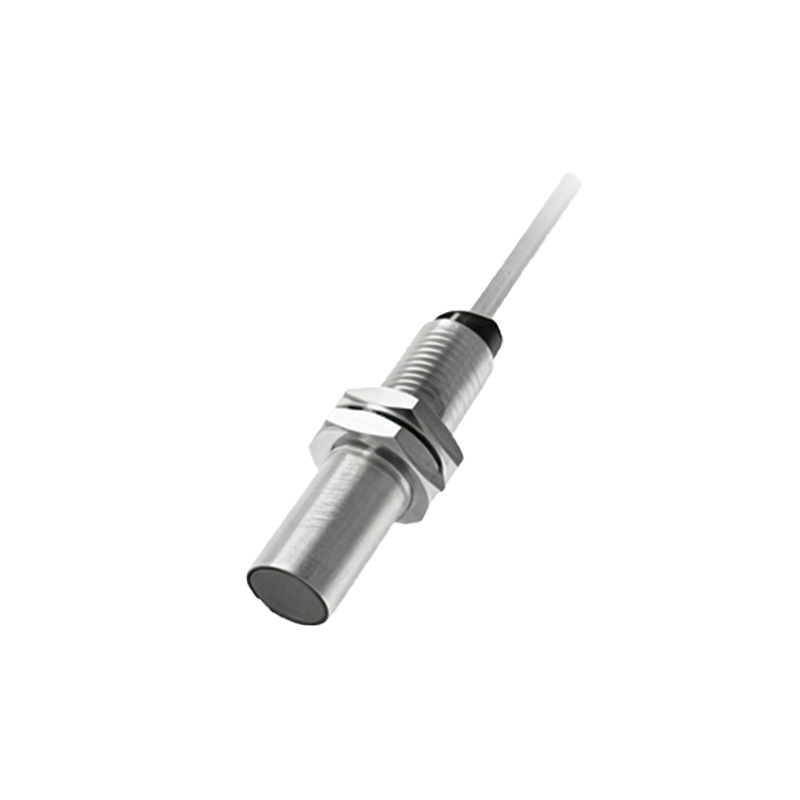
Capacitive proximity sensors extend detection capabilities to non-metallic materials such as plastics, liquids, and granular substances. These sensors measure changes in capacitance caused by the presence of an object. In packaging industries, capacitive sensors accurately detect fill levels in containers or the presence of labels on products. Engineers must account for dielectric constants of target materials and potential interference from ambient humidity, which can affect calibration.
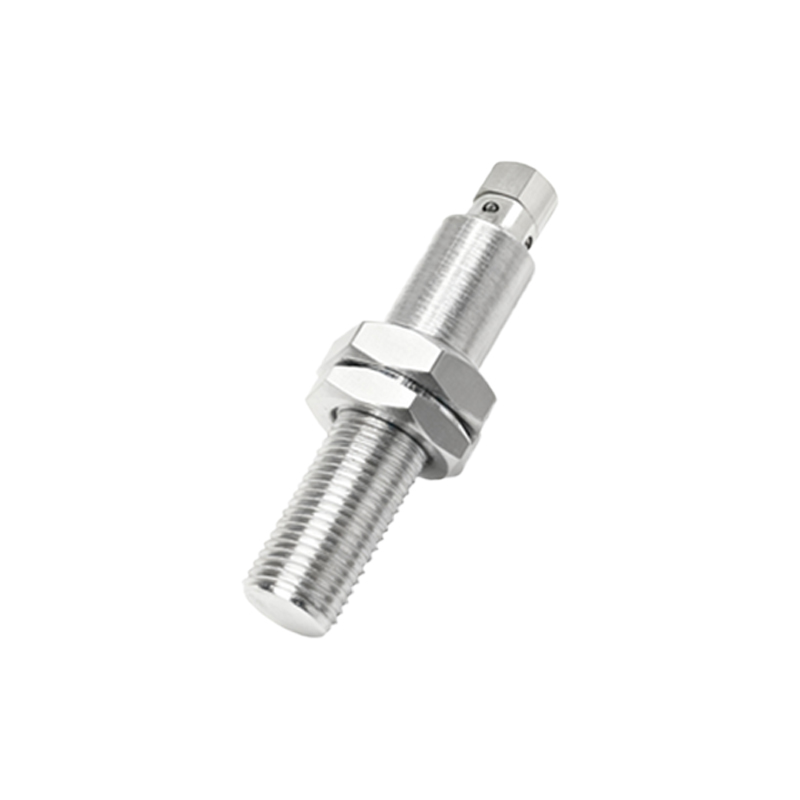
Ultrasonic sensors utilize sound waves for long-range detection, often exceeding several meters. They are versatile for applications involving transparent or variably colored objects where photoelectric sensors might fail. In material handling, ultrasonic sensors monitor stack heights or control conveyor belt speeds. However, temperature fluctuations and air turbulence can influence accuracy, necessitating environmental compensation features.
When integrating proximity sensors, electrical compatibility is paramount. Options include DC (NPN/PNP) or AC outputs, with 2-wire, 3-wire, or 4-wire configurations. NPN (sinking) outputs are prevalent in Asia, while PNP (sourcing) dominates European and North American markets. Mismatched wiring can lead to system failures or damage to programmable logic controllers (PLCs). Additionally, consider the load current and voltage ratings to prevent overloading circuits.
Environmental resilience cannot be overstated. Ingress Protection (IP) ratings define a sensor’s resistance to solids and liquids. For example, IP69K-rated sensors withstand high-pressure washdowns in food processing plants. Temperature tolerances are equally critical; standard sensors operate between -25°C to 70°C, but specialized models endure extremes from -40°C to 100°C. Vibration and shock resistance are vital in heavy machinery like stamping presses or mining equipment.
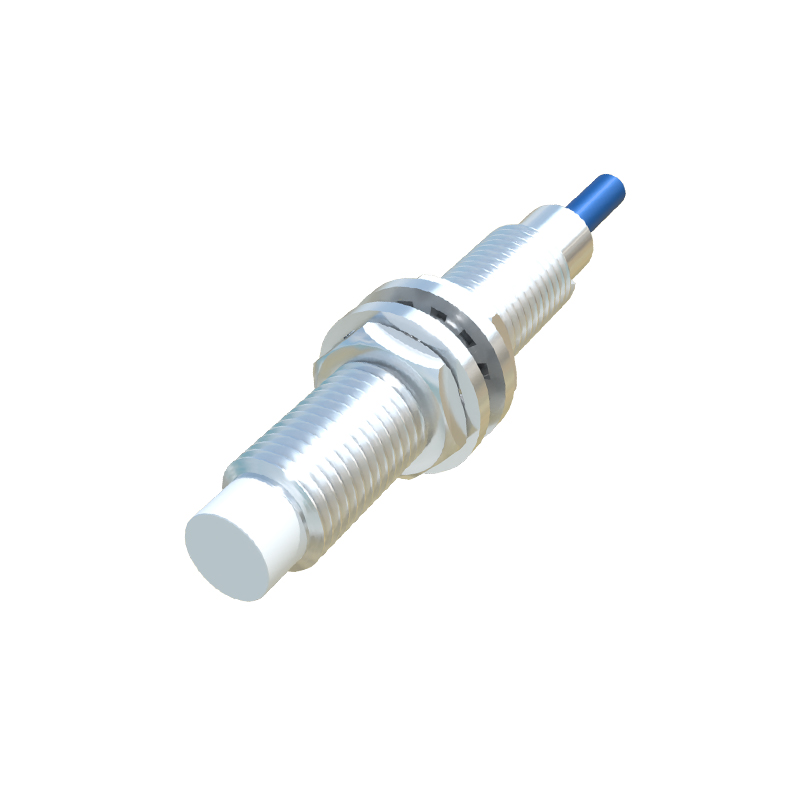
Emerging trends include IO-Link communication, enabling smart sensor networks with real-time diagnostics and parameter adjustments via industrial IoT platforms. This digital interface reduces downtime by providing predictive maintenance alerts, such as contamination warnings or drift in sensing ranges. For Industry 4.0 initiatives, selecting sensors with embedded intelligence enhances system adaptability and data analytics capabilities.
In conclusion, a methodical approach to proximity sensor selection involves:
1. Identifying the target material and required sensing distance.
2. Evaluating environmental conditions (temperature, contaminants, etc.).
3. Ensuring electrical compatibility with existing control systems.
4. Considering future-proof features like IO-Link connectivity.
Collaboration with reputable manufacturers and thorough testing in simulated operational conditions will optimize reliability and cost-efficiency. As automation complexity grows, the role of precisely chosen proximity sensors becomes increasingly pivotal in achieving seamless, efficient, and safe industrial operations.