In the realm of industrial automation, proximity sensors are indispensable components, silently enabling countless operations from object detection to position verification. Selecting the right sensor for a specific application is not merely a matter of specification sheets; it requires a systematic and practical evaluation method. This article outlines a comprehensive approach to testing and validating proximity sensors, ensuring reliability, accuracy, and longevity in demanding environments.
The foundation of any evaluation begins with understanding the core operating principles. Inductive sensors detect metallic objects, capacitive sensors respond to both metallic and non-metallic materials, and ultrasonic sensors use sound waves for detection. The evaluation methodology must be tailored accordingly. The first critical step is defining the application parameters with precision. This includes the target material, required sensing distance (both nominal and practical), the physical size and shape of the target, and the required switching frequency. Ambient conditions are equally crucial: temperature ranges, presence of dust, moisture, oils, or corrosive chemicals must be documented.
A robust testing protocol involves both bench testing and in-situ simulation. Bench testing allows for controlled measurement of key performance indicators. The primary metric is the actual sensing distance (Sa). Using a standardized test target (e.g., a 1mm thick, square steel plate for inductive sensors), the sensor is gradually moved toward the target until it switches. This distance is measured and compared to the nominal sensing distance (Sn) specified by the manufacturer. Repeatability is tested by performing this operation numerous times to ensure consistent switching points. Hysteresis, the difference between the switch-on and switch-off points, is measured to evaluate sensor stability and prevent chattering in control circuits.
Electrical characteristics demand rigorous checking. The supply voltage range is tested by varying the voltage from the minimum to the maximum specified limits while monitoring the sensor's output. Load compatibility tests verify that the sensor can reliably switch the connected load (e.g., a PLC input, relay, or solenoid) without false triggers or premature failure. For DC sensors, testing includes verifying protection against reverse polarity and short-circuit conditions. The output current under load should be measured to ensure it meets the application's demands.
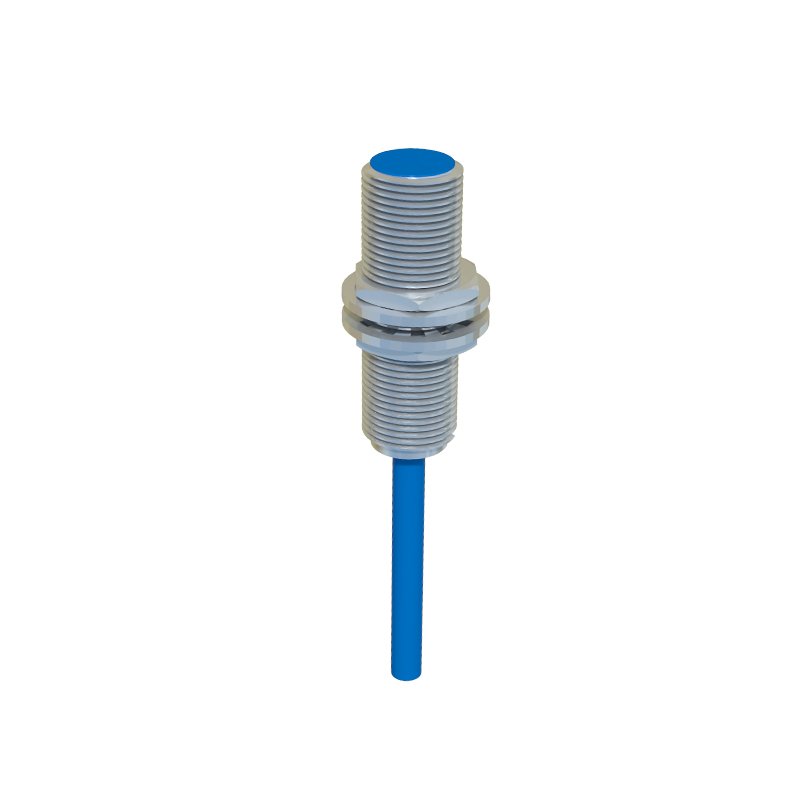
Environmental resistance testing simulates real-world harshness. Temperature cycling tests involve operating the sensor at the extremes of its rated range. Vibration and shock tests, following standards like IEC 60068-2-6, assess mechanical robustness. For sensors rated with an Ingress Protection (IP) code, such as IP67, tests for dust and water resistance are mandatory. This can involve exposing the sensor to fine dust or submerging it in water for a specified duration and depth, followed by functional verification. Resistance to chemicals like cutting oils or solvents should also be evaluated if applicable.
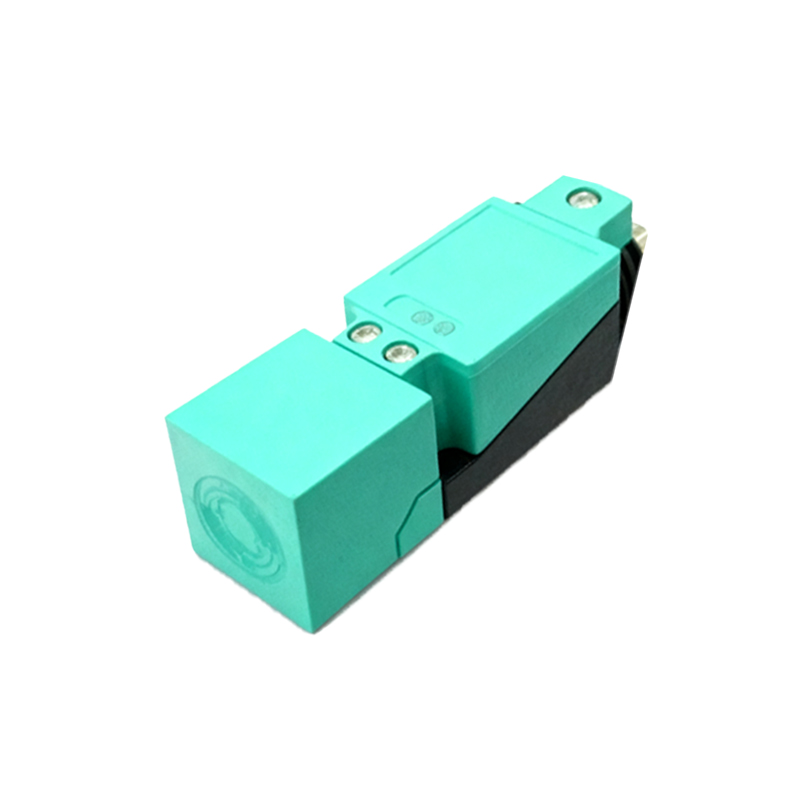
Electrical noise immunity is a critical, often overlooked, aspect. Proximity sensors in industrial settings are exposed to electromagnetic interference from motors, variable frequency drives, and welding equipment. Testing should involve operating the sensor in close proximity to such noise sources while monitoring for false triggering or loss of signal. The sensor's ability to reject this interference is paramount for system reliability.
Finally, long-term reliability and mean time between failures (MTBF) considerations are evaluated through endurance testing. This involves cycling the sensor at its maximum specified frequency for an extended period, often millions of operations, to identify any potential wear-out mechanisms. The evaluation concludes with an in-situ trial in a controlled but representative section of the actual production line. This final test validates all previous bench results under real dynamic conditions, including factors like target approach speed, mounting alignment, and interaction with other machinery.
A thorough evaluation report should document all test conditions, measurements, observed behaviors, and any deviations from expected performance. This methodical approach moves selection beyond datasheet comparisons, providing empirical data that guarantees the chosen proximity sensor will perform its duty reliably, enhancing overall system uptime and productivity. Investing time in a comprehensive evaluation mitigates the high costs associated with sensor failure, including unplanned downtime and production losses.