In the dynamic landscape of industrial automation, selecting the right proximity sensor is a critical decision that impacts both system performance and overall project cost. A proximity sensor price list is more than just a column of figures; it is a reflection of technology, durability, and application-specific suitability. This guide delves into the key factors influencing the pricing of anti-interference proximity sensors and provides a framework for evaluating cost against value in demanding industrial environments.
The core function of an anti-interference proximity sensor is to detect the presence or absence of an object reliably, even in electrically noisy surroundings typical of factories, welding stations, or high-power motor drives. The price point is primarily dictated by the sensing technology employed. Inductive sensors, used for detecting metallic objects, are generally the most cost-effective for standard applications. Their price increases with enhanced features like increased sensing range, extended temperature tolerance (e.g., -25°C to 85°C), or the incorporation of advanced ASICs for superior noise immunity. Capacitive sensors, capable of detecting both metallic and non-metallic materials, often carry a moderate price premium. The most significant cost drivers are found in specialized sensors, such as those with full-metal housings for extreme durability, analog output for precise distance measurement, or high-frequency models immune to inverter noise.
A typical industrial-grade proximity sensor price list is segmented by several technical and physical specifications. The housing material is a primary differentiator. Standard PBT or PVC housings offer a baseline price, while nickel-plated brass or stainless-steel housings, essential for corrosive or washdown environments, command a higher cost. Sensing distance is another critical factor. A standard 5mm range inductive sensor is economical, but prices rise for sensors offering 15mm, 20mm, or longer ranges with guaranteed precision. Output configuration also affects price. Two-wire DC sensors are common and relatively low-cost. Three-wire DC sensors (PNP or NNP) with short-circuit and overload protection are priced higher. Sensors with complementary NO/NC outputs or analog current/voltage outputs (4-20mA, 0-10V) are positioned at the premium end of the list.
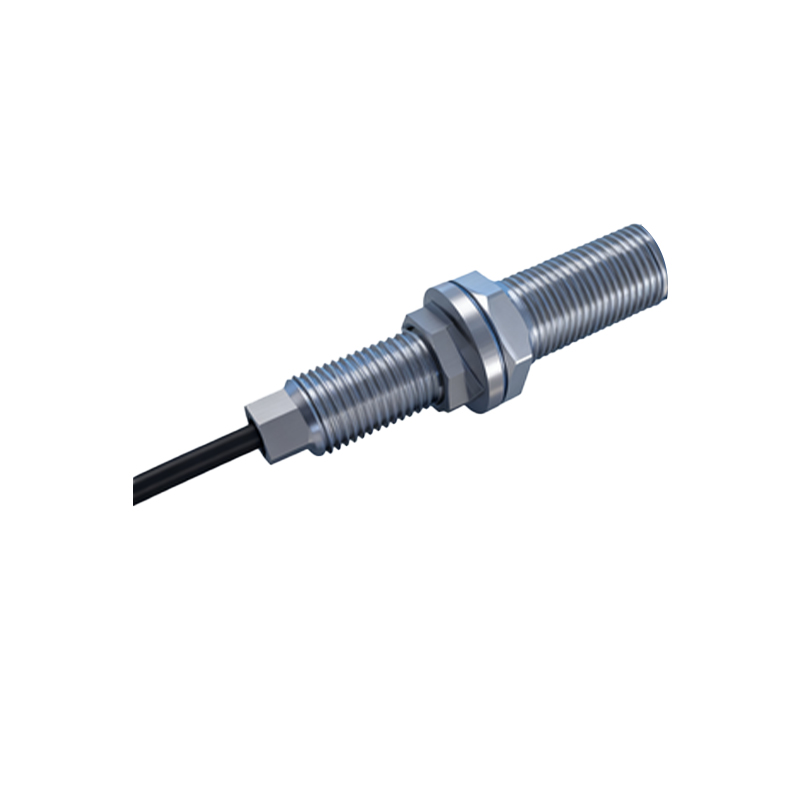
The level of electromagnetic compatibility (EMC) and environmental protection, denoted by IP and IK ratings, directly correlates with price. A sensor with basic IP67 rating (dust-tight and protected against temporary immersion) is standard. Models boasting IP69K ratings for high-pressure, high-temperature washdowns, or those certified for specific safety standards (e.g., SIL2, PLd), involve more rigorous manufacturing and testing, thus increasing the price. Furthermore, packaging size matters. Miniature sensors (e.g., M5, M8 threaded barrels) designed for tight spaces often have a higher cost-per-unit due to precise manufacturing requirements compared to standard M12 or M18 sensors.
When analyzing a supplier's price list, it is imperative to look beyond the unit price. Consider the total cost of ownership. A slightly higher-priced sensor from a reputable manufacturer with proven noise immunity can prevent costly machine downtime, false triggers, and product quality issues caused by interference from variable frequency drives (VFDs), solenoids, or communication cables. Bulk purchasing for large-scale projects often attracts significant discounts, which should be negotiated. Additionally, evaluate the lead time and availability. A lower-priced sensor with a 20-week lead time can stall a project, incurring hidden costs far exceeding the initial savings.
In conclusion, a proximity sensor price list serves as a strategic tool for procurement. The most economical choice is rarely the sensor with the lowest sticker price. Engineers and purchasers must correlate the listed specifications—sensing technology, range, housing, output type, and immunity ratings—with the actual application's electrical and physical demands. Investing in a robust, anti-interference sensor validated for your specific industrial environment ensures long-term reliability, reduces maintenance, and safeguards production continuity, delivering superior value over its operational lifespan.