In the rapidly evolving landscape of industrial automation and smart technology, proximity sensors have become indispensable components. These devices, which detect the presence or absence of an object without physical contact, are critical for enhancing efficiency, safety, and precision across numerous sectors including automotive, manufacturing, consumer electronics, and aerospace. The global market for proximity sensors is highly competitive and driven by innovation, with several key players leading the charge. This article provides an overview of prominent companies that specialize in proximity sensor technology, highlighting their contributions and market presence.
One of the foremost leaders in this field is Omron Corporation, a Japanese electronics giant renowned for its extensive range of automation components. Omron's proximity sensor portfolio includes inductive, capacitive, and magnetic types, known for their reliability, durability, and advanced features such as noise immunity and long sensing distances. The company's sensors are widely used in factory automation, robotics, and automotive assembly lines, making Omron a trusted name for engineers seeking robust solutions.
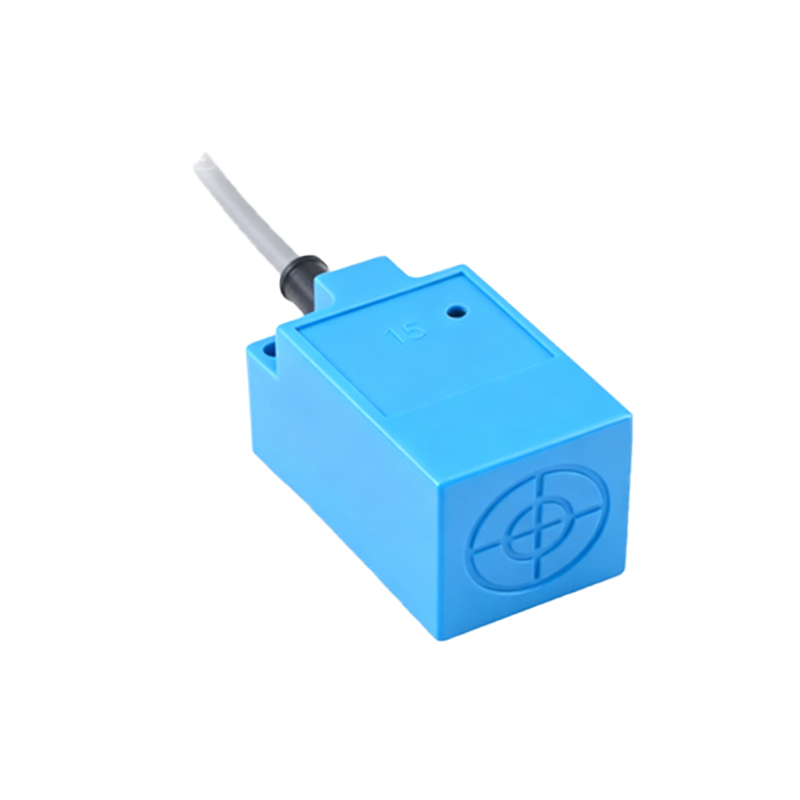
Another major player is Sick AG, a German-based sensor manufacturer with a strong global footprint. Sick specializes in intelligent sensor solutions for industrial applications, offering a diverse array of proximity sensors that excel in harsh environments. Their products are designed for high precision and are often integrated into safety systems and logistics automation. Sick's focus on innovation, such as IO-Link compatibility and compact designs, positions it as a top choice for complex automation challenges.
Rockwell Automation, headquartered in the United States, is also a key contributor to the proximity sensor market. Through its Allen-Bradley brand, Rockwell provides a comprehensive suite of industrial sensors, including proximity models that emphasize seamless integration with control systems. These sensors are favored in North American manufacturing sectors for their compatibility with Rockwell's PLCs and networks, supporting streamlined operations and predictive maintenance.
In Europe, Pepperl+Fuchs stands out as a specialist in sensor technology and intrinsic safety. This German company offers an extensive catalog of inductive and capacitive proximity sensors, particularly noted for their use in explosive atmospheres (ATEX certifications). Pepperl+Fuchs sensors are engineered for longevity and precision, catering to industries like chemical processing, oil and gas, and pharmaceuticals where safety and reliability are paramount.
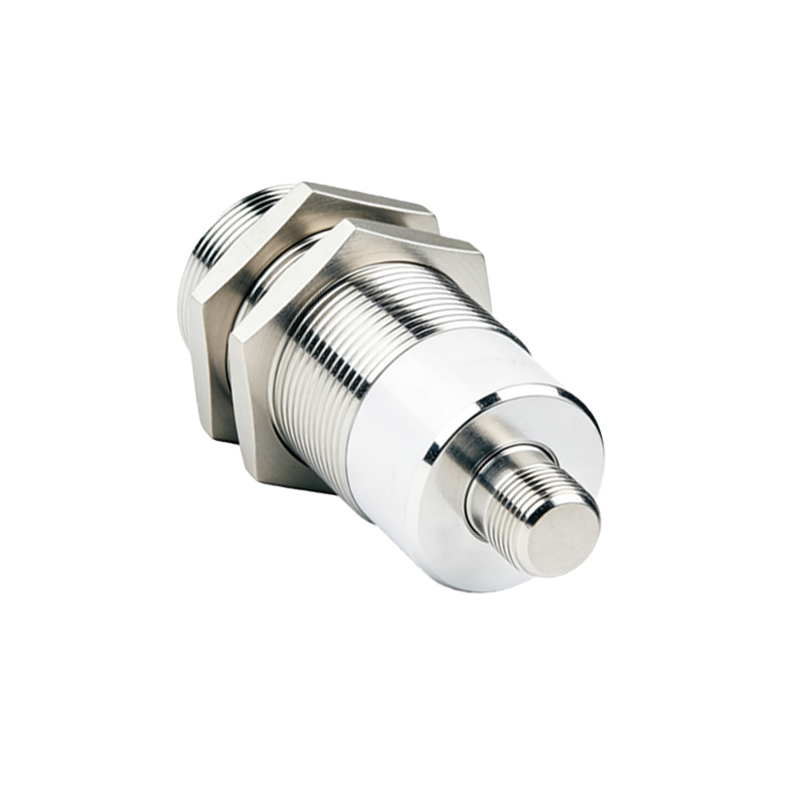
From Switzerland, Baumer Group brings a reputation for high-quality, innovative sensor solutions. Baumer's proximity sensors are known for their precision engineering, customizable options, and advanced functionalities like temperature compensation and digital output. The company serves a broad spectrum of applications, from packaging machinery to renewable energy systems, appealing to clients who require tailored sensor configurations.
Additionally, Panasonic Corporation of Japan is a significant force, leveraging its expertise in electronics to produce compact and cost-effective proximity sensors. Panasonic's sensors are commonly found in consumer electronics, automotive components, and home appliances, offering reliable performance for high-volume production environments. Their focus on miniaturization and energy efficiency aligns with trends toward IoT and smart devices.
Emerging companies and regional players also contribute to market diversity. For instance, Turck in Germany and Balluff are recognized for their rugged sensor designs and connectivity solutions, while Honeywell in the U.S. provides sensors for aerospace and defense applications. The market continues to expand with advancements in technologies like ultrasonic and photoelectric proximity sensing, driven by demands for Industry 4.0 and automation.
When selecting a proximity sensor supplier, engineers should consider factors such as application requirements, environmental conditions, compatibility with existing systems, and support services. Leading companies often provide extensive technical documentation, customization options, and global distribution networks to assist in implementation.
In summary, the proximity sensor industry is dominated by established corporations with deep expertise in automation and sensing technology. Companies like Omron, Sick, Rockwell Automation, Pepperl+Fuchs, and Baumer set high standards for quality and innovation, while others fill niche roles. As automation and smart manufacturing evolve, these firms are poised to drive further advancements, making proximity sensors more intelligent, integrated, and essential to modern industry.