In the rapidly evolving landscape of modern agriculture, pig farming has embraced advanced automation technologies to enhance efficiency, animal welfare, and operational sustainability. Among these innovations, capacitive proximity sensors have emerged as a critical component in smart farming systems. Unlike inductive sensors that detect only metallic objects, capacitive sensors can sense a wide range of materials, including liquids, grains, plastics, and organic matter, making them exceptionally versatile in the diverse environments of pig farms.
These sensors operate by generating an electrostatic field. When an object enters this field, it alters the capacitance, triggering a detection signal. This principle allows for non-contact monitoring, which is crucial in maintaining hygiene and reducing mechanical wear. In pig farming applications, capacitive sensors are commonly employed in several key areas. One primary use is in automated feeding systems. Sensors can detect feed levels in silos or troughs, ensuring a consistent supply and preventing shortages or overflows. By integrating with control units, they enable precise dispensing based on real-time data, optimizing nutrition management and reducing waste.
Another significant application is in water management. Capacitive sensors monitor water levels in drinking systems, ensuring that pigs have access to clean water at all times. They can detect leaks or blockages early, preventing dehydration and promoting animal health. Additionally, these sensors are used in environmental control systems within barns. By sensing humidity levels in bedding or air, they help regulate ventilation and heating, maintaining optimal living conditions that reduce stress and disease incidence among the herd.
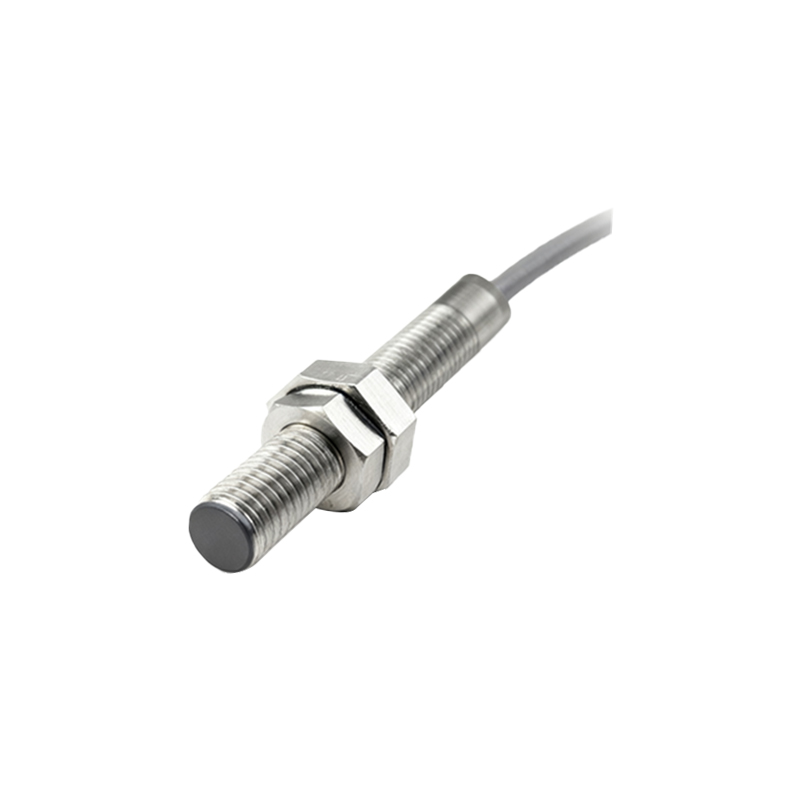
Waste management is also enhanced through capacitive sensing. In slurry pits or composting areas, sensors track fill levels, automating pump schedules and preventing overflows that could harm the environment. This not only improves farm cleanliness but also aids in compliance with environmental regulations. Furthermore, capacitive sensors contribute to safety mechanisms, such as detecting the presence of animals in automated gate systems, preventing injuries and ensuring smooth movement within the farm.
The durability of capacitive proximity sensors is a notable advantage in pig farming, where conditions can be harsh, with exposure to moisture, dust, and corrosive substances. Many models feature robust housings (e.g., IP67 ratings) that resist water and dirt ingress, ensuring reliable performance over long periods. Their adjustable sensitivity allows customization for different materials, such as detecting wooden partitions or plastic pipes, adding to their adaptability.
From an economic perspective, the integration of capacitive sensors leads to cost savings through reduced labor, lower resource consumption, and minimized downtime. By providing accurate, real-time data, they support data-driven decision-making, enabling farmers to optimize processes and improve productivity. As pig farming continues to advance toward precision agriculture, the role of capacitive proximity sensors is set to expand, potentially incorporating IoT connectivity for remote monitoring and predictive analytics.
In summary, capacitive proximity sensors are transforming pig farming into a more efficient and humane industry. Their ability to detect various materials non-invasively makes them ideal for diverse tasks, from feeding to waste management. By enhancing automation, these sensors not only boost operational efficiency but also contribute to better animal welfare and environmental stewardship, paving the way for a sustainable future in livestock production.