In the realm of industrial automation, the integration of proximity sensors with microcomputers has become a cornerstone for achieving precision, efficiency, and reliability. Proximity sensors, which detect the presence or absence of objects without physical contact, are widely used in applications ranging from assembly lines to robotic systems. When paired with microcomputers like Arduino, Raspberry Pi, or PLC-based controllers, these sensors enable sophisticated data processing and real-time control. This article delves into the technical aspects of connecting proximity sensors to microcomputers, covering wiring, signal interpretation, and programming considerations.
Proximity sensors typically operate on principles such as inductive, capacitive, or photoelectric sensing. Inductive sensors are ideal for detecting metallic objects, while capacitive sensors can handle non-metallic materials. Photoelectric sensors use light beams to sense objects. Regardless of type, most proximity sensors output a digital or analog signal. Digital sensors provide a simple HIGH/LOW signal based on detection, whereas analog sensors offer a continuous voltage or current proportional to distance. For microcomputer integration, digital sensors are often preferred due to their straightforward interfacing, but analog sensors can be used for more nuanced applications.
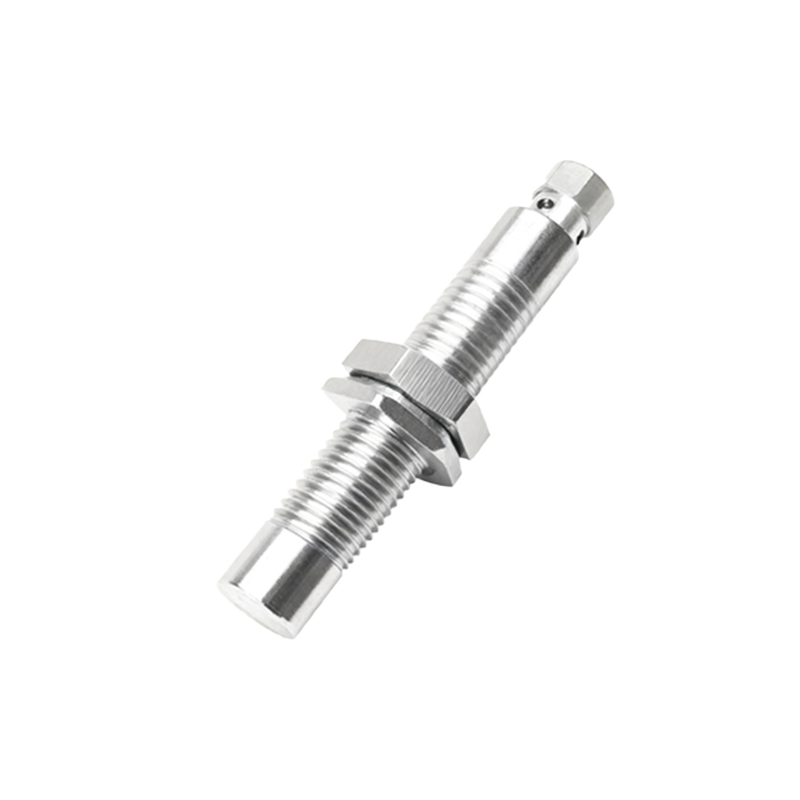
Wiring a proximity sensor to a microcomputer involves connecting power, ground, and signal lines. Most sensors require an external power supply, typically 12-24V DC, though some low-voltage models are compatible with microcomputer pins. It is crucial to check the sensor’s datasheet for voltage and current specifications to avoid damaging the microcomputer. For digital sensors, the signal wire connects to a digital input pin on the microcomputer. If using an analog sensor, an analog input pin is necessary. Additionally, pull-up or pull-down resistors may be needed to stabilize the signal, especially in noisy industrial environments. Optoisolators or signal conditioners can be employed to protect the microcomputer from voltage spikes or electrical interference.
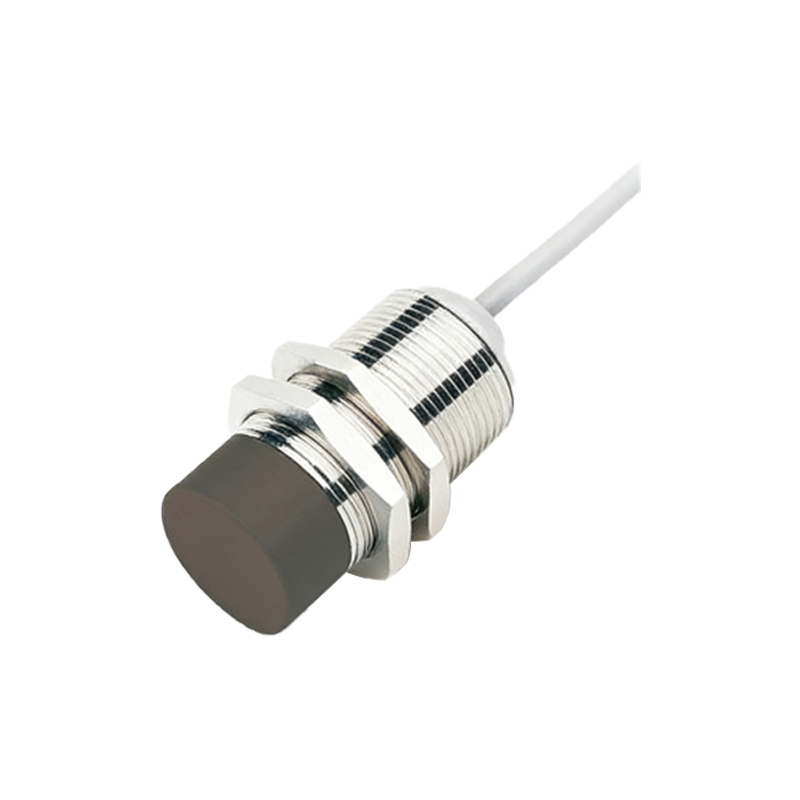
On the software side, programming the microcomputer to read sensor data is essential. For digital sensors, code can be written to monitor the input pin state. For example, on an Arduino, a simple sketch can read a digital pin and trigger actions like turning on an LED or sending a serial message. Analog sensors require analog-to-digital conversion (ADC) to interpret the voltage levels. Microcomputers like Raspberry Pi may need external ADC modules unless built-in capabilities are available. Programming languages such as C++, Python, or ladder logic (for PLCs) are commonly used. Key considerations include debouncing for digital signals to prevent false triggers and calibration for analog sensors to ensure accurate distance measurements.
In practical applications, proximity sensors connected to microcomputers enable functions like object counting, position sensing, and safety interlocks. For instance, in a conveyor system, sensors can detect items and signal the microcomputer to control motors or sorters. In robotics, sensors provide feedback for obstacle avoidance or precise movement. Challenges such as environmental factors (e.g., dust, moisture) or electromagnetic interference must be addressed through proper shielding, filtering, or sensor selection. Regular maintenance and testing are recommended to sustain performance.
Looking ahead, advancements in IoT and smart manufacturing are driving the evolution of sensor-microcomputer systems. Wireless proximity sensors and cloud-based microcomputers are emerging, allowing for remote monitoring and analytics. By mastering the connection between proximity sensors and microcomputers, engineers can build robust automation solutions that enhance productivity and innovation in the electrical industry.