In the realm of Computer Numerical Control (CNC) machining, the tool magazine stands as a critical component, responsible for the automated storage, selection, and exchange of cutting tools. The seamless operation of this system is paramount for maintaining high productivity, minimizing downtime, and ensuring machining accuracy. At the heart of this reliability lies a network of often-overlooked yet indispensable devices: proximity sensors. These non-contact detection workhorses play a pivotal role in monitoring tool presence, verifying positioning, and safeguarding the entire tool handling process.
Proximity sensors operate on the principle of detecting the presence or absence of a metallic target without physical contact. In tool magazine applications, inductive proximity sensors are predominantly used due to their robustness and specificity for ferrous and non-ferrous metals—the primary materials of tool holders and magazines. When a tool or tool holder enters the sensor's electromagnetic field, it induces eddy currents, causing a change in the sensor's oscillation amplitude. This change is processed internally, triggering a solid-state output signal that communicates with the CNC controller.
The deployment of these sensors within a tool magazine system is strategic and multifaceted. One of the primary applications is tool presence verification. Before a tool is loaded into the spindle or returned to a specific pocket in the magazine, a proximity sensor confirms its existence in the gripper or the designated location. This simple check prevents catastrophic attempts to perform machining operations with an empty spindle or to load a non-existent tool, thereby avoiding potential collisions and tool damage.
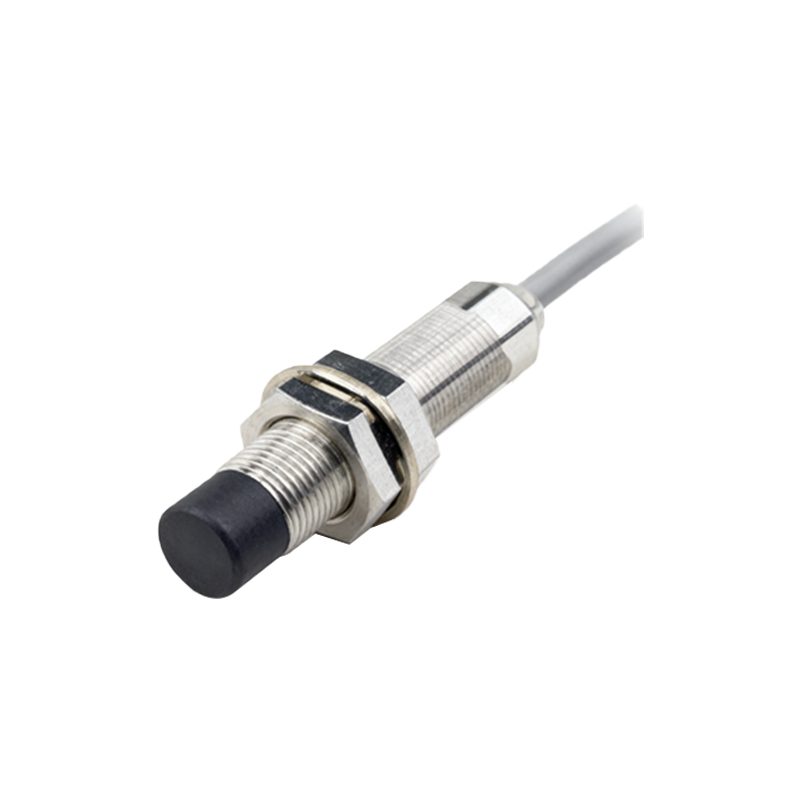
Another critical function is positional feedback for rotary or chain-type magazines. Sensors are mounted at key indexing points to provide precise signals indicating that the magazine has rotated to the correct position, aligning the desired tool pocket with the exchange mechanism. This ensures repeatable and accurate positioning, which is essential for the high-speed tool changes demanded by modern CNC centers. Without this feedback, misalignment could lead to failed tool changes, damaged tools, or even mechanical jams.
Furthermore, proximity sensors contribute to system safety and diagnostics. They can monitor the status of safety doors, verify that the tool changer arm is in its home position, and detect any unexpected obstructions in the tool path. By providing real-time status updates to the control system, they enable proactive error detection and facilitate quicker troubleshooting, significantly reducing machine downtime.
Selecting the right proximity sensor for a tool magazine involves several engineering considerations. Sensing distance must be carefully calculated to account for the mechanical tolerances of the tool holder and magazine structure while preventing false triggers from adjacent metallic objects. Environmental robustness is non-negotiable; sensors must withstand constant exposure to coolant mist, metal chips, oil, and mechanical vibrations typical in a machine shop environment. Industrial-grade sensors with high IP ratings (e.g., IP67) and robust housing materials like nickel-plated brass or stainless steel are standard requirements. Output type (typically PNP or NPN) must be compatible with the machine's PLC or CNC input card, and switching frequency must be high enough to keep pace with rapid magazine indexing and tool change cycles.
The evolution of sensor technology continues to benefit tool magazine design. Modern sensors offer improved noise immunity, embedded diagnostics like short-circuit and overload protection, and even IO-Link capability for advanced communication. IO-Link sensors can transmit not just a simple on/off signal but also parameter data and health status, enabling predictive maintenance strategies. This allows maintenance teams to monitor sensor performance trends and schedule replacements before a failure occurs, transitioning from reactive to proactive maintenance.
In conclusion, proximity sensors are the silent sentinels of the CNC tool magazine. Their role in ensuring tool presence, verifying precise positioning, and enhancing overall system safety is fundamental to achieving the levels of automation, precision, and reliability expected in contemporary manufacturing. While they may be small components within a large machine, their failure can bring production to a halt. Therefore, a deep understanding of their function, careful selection, and proper integration are essential responsibilities for any engineer or technician dedicated to optimizing CNC machining performance and uptime. The continued advancement in sensor intelligence promises even greater integration, diagnostics, and resilience for the smart factories of the future.