In the realm of industrial automation, building management, and consumer electronics, the seamless integration of sensing technology is paramount. Among the various sensor types, the proximity light sensor stands out as a critical component for enabling intelligent, responsive, and energy-efficient systems. But what exactly is a proximity light sensor, and how does it function as the "brain" behind modern lighting solutions?
At its core, a proximity light sensor is an electronic device designed to detect the presence or absence of an object within a specific range without any physical contact. It achieves this by emitting a beam of light—typically infrared (IR)—and then measuring the properties of the light that returns. This operational principle is fundamentally different from simple photodetectors that only measure ambient light levels. The "proximity" aspect is key; it's not just about detecting light, but about using light to gauge distance or presence.
The most common technology employed is the infrared LED paired with a photodiode or phototransistor. The sensor's IR LED emits an invisible infrared beam. When an object enters the detection field, it reflects a portion of this beam back towards the sensor. The integrated photodetector captures this reflected light and converts it into an electrical signal. An onboard microcontroller or dedicated IC then processes this signal. By analyzing the intensity of the reflected light, the sensor can determine if an object is present and, in more advanced models, approximate its distance. This entire process occurs in milliseconds, allowing for real-time responsiveness.

The application of these sensors in lighting systems is where their true value is realized, creating what are often termed "smart lights" or "presence-detection lights." In commercial and industrial settings, such as warehouses, corridors, and parking garages, lights equipped with proximity sensors remain in a low-power standby state. The moment the sensor detects movement—a person walking, a vehicle approaching—it triggers the main lighting to illuminate at full capacity. After a predetermined period of no detected activity, the system automatically reverts to standby, slashing energy consumption significantly. This goes beyond basic motion detection; it's about presence awareness, ensuring light is provided only when and where it is needed.
In consumer electronics, this technology is ubiquitous. The automatic dimming of a smartphone screen when held to the ear during a call, or the feature that turns off the display when a phone is placed face-down, is powered by a miniature proximity light sensor. In modern automotive interiors, these sensors detect a driver's hand approaching a touchscreen or control panel, often activating backlighting or haptic feedback preemptively.
The advantages of integrating proximity light sensors into lighting are multifaceted. The primary benefit is substantial energy efficiency, leading to lower operational costs and a reduced carbon footprint. Secondly, it enhances user convenience and safety; lights turn on automatically in dark stairwells or pathways, eliminating fumbling for switches. Furthermore, it extends the lifespan of lighting fixtures, particularly LEDs, by reducing their total operational hours through intelligent cycling.
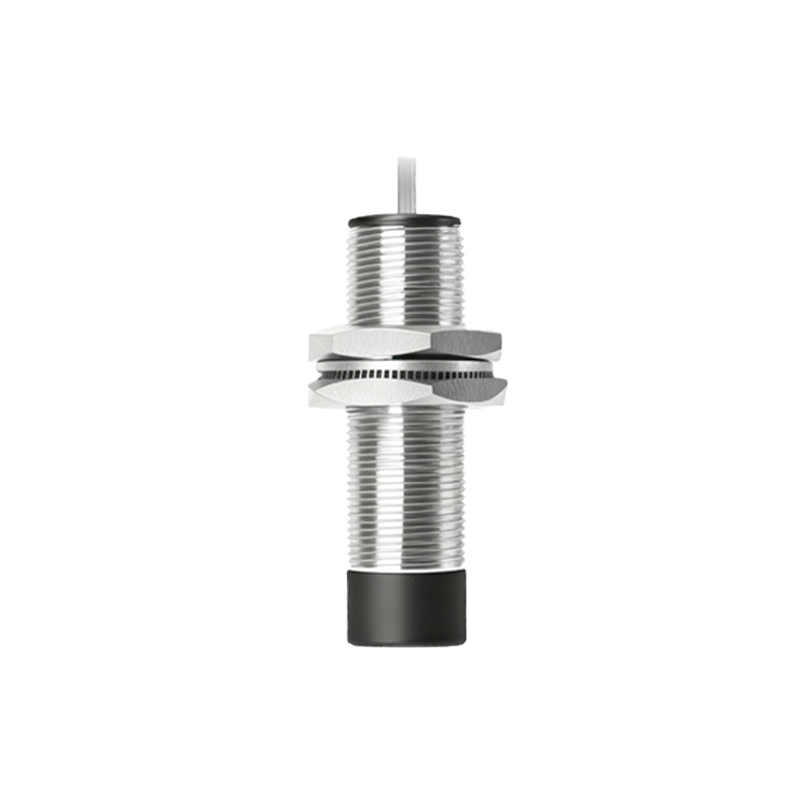
However, engineers must consider several factors during system design. The sensing range, which can vary from a few centimeters to several meters, must be calibrated to the application. The sensor must be shielded from optical interference, such as direct sunlight or other IR sources, to prevent false triggering. Material detection can also be a challenge, as dark, non-reflective objects may not reflect sufficient IR light to be reliably detected. Modern sensors incorporate sophisticated algorithms and filtering techniques to overcome these hurdles.
Looking ahead, the convergence of proximity sensing with other technologies like LiDAR (Light Detection and Ranging), time-of-flight (ToF) sensors, and connectivity protocols (IoT) is paving the way for even smarter environments. Future lighting systems will not only respond to presence but will also adapt brightness and color temperature based on the number of occupants, the time of day, and specific activity, all orchestrated by advanced light-based proximity sensing.
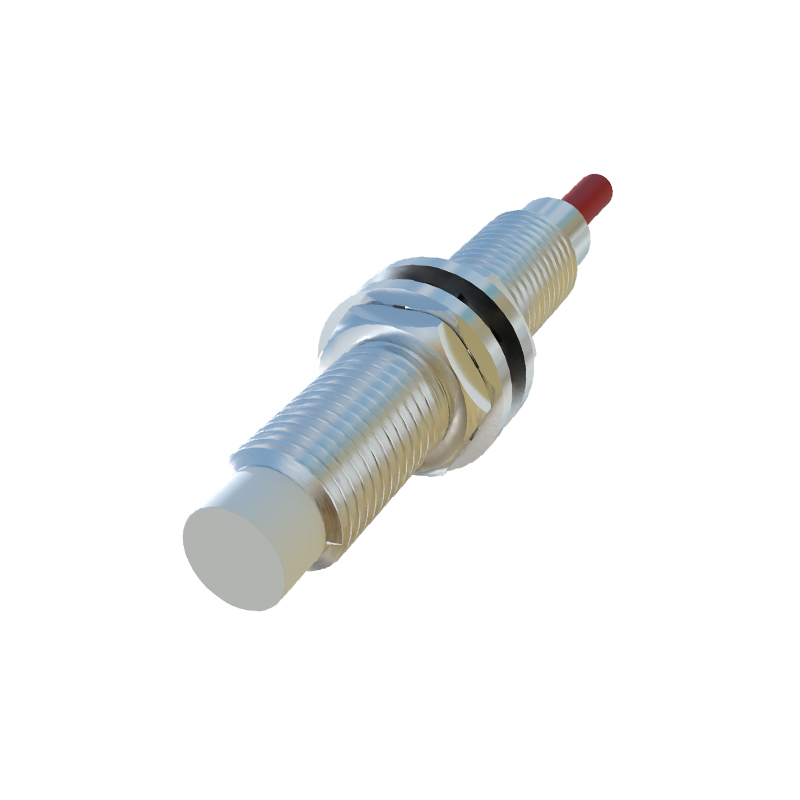
In conclusion, the proximity light sensor is far more than a simple switch. It is an intelligent optoelectronic interface that merges the physical and digital worlds. By providing a non-contact method of detection, it forms the foundational layer for automated, efficient, and responsive lighting systems that are becoming standard in our increasingly automated world. Its continued evolution promises to further blur the line between utility and intelligent environmental interaction.