In the intricate world of industrial automation, proximity sensors stand as silent sentinels, enabling precise, non-contact detection of objects. These devices are fundamental to modern manufacturing, robotics, and process control, providing the essential feedback loops that ensure efficiency, safety, and quality. Unlike mechanical limit switches, proximity sensors operate without physical contact, thereby eliminating wear and tear and enabling high-speed, reliable operation in harsh environments. Their principle of operation is based on the disturbance of an electromagnetic field, acoustic wave, or light beam, which is then converted into an electrical signal.
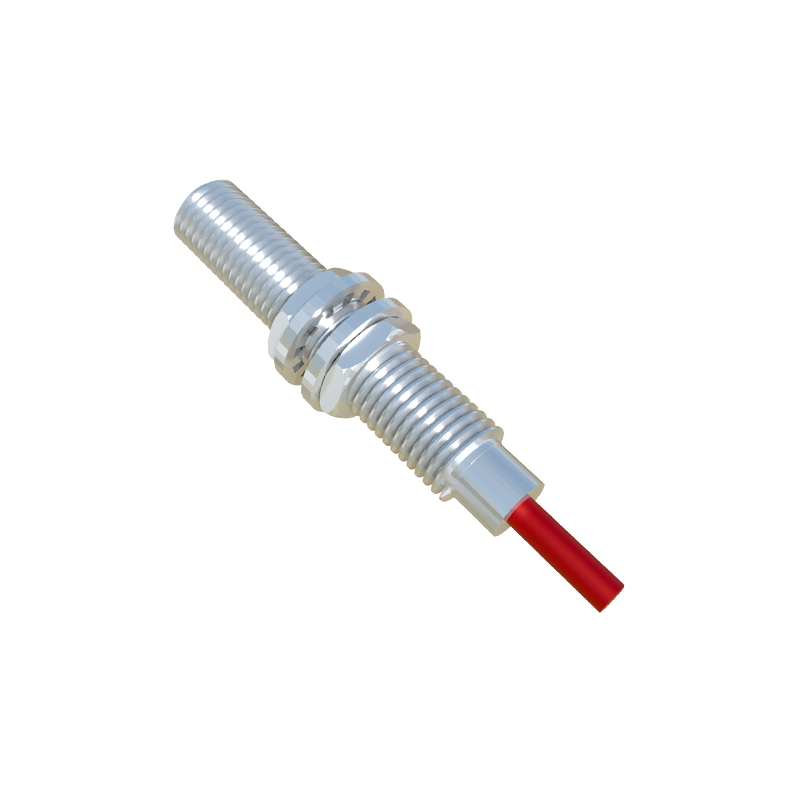
The primary types of proximity sensors include inductive, capacitive, ultrasonic, and photoelectric sensors. Inductive proximity sensors are the workhorses for detecting metallic objects. They generate an oscillating electromagnetic field. When a ferrous or non-ferrous metal enters this field, it induces eddy currents, causing a change in oscillation amplitude that triggers the sensor's output. These sensors are exceptionally robust, ideal for detecting machine parts, position verification, and counting metallic items on conveyor lines. Their key limitation is their insensitivity to non-metallic materials.
Capacitive proximity sensors, on the other hand, can detect both metallic and non-metallic materials, including liquids, plastics, glass, and wood. They function by generating an electrostatic field. Any object with a dielectric constant different from air alters the capacitance of the sensing circuit, triggering detection. This makes them perfect for applications like liquid level sensing in tanks, detecting filled packages, or monitoring the presence of granular materials. They are sensitive to environmental factors like humidity and require careful calibration.
For longer-range detection and applications involving varied surface properties, ultrasonic sensors are the preferred choice. They emit high-frequency sound waves and measure the time taken for the echo to return. This time-of-flight principle allows them to detect objects regardless of color, transparency, or material composition. Common uses include distance measurement, palletizing, and controlling loop heights in winding applications. However, their performance can be affected by temperature variations and highly absorbent materials.
Photoelectric sensors utilize a light emitter and a receiver. They come in several configurations: through-beam (separate emitter and receiver), retro-reflective (with a reflector), and diffuse (reflective). Through-beam sensors offer the longest range and highest reliability, as the object simply breaks the light beam. Diffuse sensors detect the light reflected directly from the target, making them suitable for detecting objects at shorter distances without a separate reflector. These sensors are excellent for detecting small objects, color marks, or transparent materials, though they can be challenged by dirty or highly reflective environments.
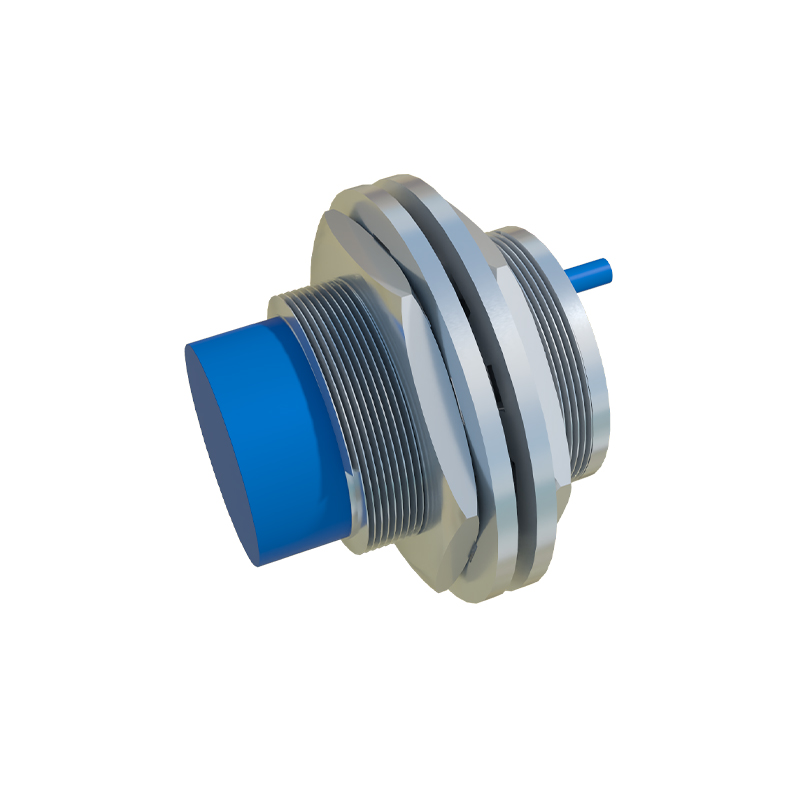
Selecting the right proximity switch requires a meticulous analysis of the application parameters. Key considerations include:
1. Target Material: Is it metallic, non-metallic, liquid, or transparent?
2. Sensing Distance: The required nominal sensing range and any necessary safety margin.
3. Output Type: Discrete outputs like NPN/PNP transistors or analog outputs (4-20mA, 0-10V) for distance-proportional signals.
4. Environmental Conditions: Exposure to dust, moisture, chemicals, temperature extremes, or washdown procedures dictates the required Ingress Protection (IP) rating and housing material (e.g., stainless steel, PBT plastic).
5. Mounting and Electrical Characteristics: Physical size, flush or non-flush mounting capability, supply voltage (typically 10-30V DC), and connection type (connector or cable outlet).
The integration of these sensors into Industrial Internet of Things (IIoT) and Industry 4.0 frameworks is a significant trend. Modern proximity sensors often feature IO-Link communication, a point-to-point serial protocol. IO-Link transforms a simple binary switch into an intelligent device capable of transmitting detailed diagnostic data—such as operating hours, temperature warnings, or signal strength—to the control system. This enables predictive maintenance, reducing unplanned downtime and optimizing asset management.
In conclusion, proximity sensors are indispensable components in automated systems. Their evolution from simple on/off devices to smart, connected nodes reflects the broader trajectory of industrial innovation. A thorough understanding of their operating principles, types, and selection criteria is crucial for engineers and technicians to design robust, efficient, and intelligent automation solutions that meet the demanding challenges of contemporary industry.