In the complex landscape of industrial automation, proximity sensors stand as critical components for enabling non-contact detection, ensuring safety, and enhancing operational efficiency. When specifying these devices for a project, engineers and procurement specialists are invariably confronted with a wide range of pricing. The cost of a branded proximity sensor is not a random figure but a reflection of a multifaceted value proposition. Understanding the factors that drive this pricing is essential for making informed, cost-effective decisions that do not compromise on system performance or reliability.
Firstly, the core technology and sensing principle significantly influence the price. Inductive, capacitive, ultrasonic, and photoelectric sensors each have distinct manufacturing complexities and material costs. For instance, high-performance inductive sensors designed for long-range detection or for sensing non-ferrous metals often incorporate specialized coils and advanced electronics, commanding a premium. Similarly, photoelectric sensors with precise background suppression or laser-based models are inherently more expensive due to their sophisticated optical components and calibration requirements. The research and development investment behind these technological advancements is a primary cost driver for leading brands.
Secondly, performance specifications and build quality are paramount. Key parameters such as sensing range, repeat accuracy, switching frequency, and environmental ratings (IP, NEMA) directly correlate with price. A sensor rated for IP67 or IP69K, capable of withstanding high-pressure washdowns in food and beverage applications, requires superior sealing techniques and robust housing materials like stainless steel or PBT plastic. Brands with a reputation for durability and precision engineering, such as those with extensive testing for shock, vibration, and temperature extremes, embed these reliability costs into their pricing. The assurance of a long operational life and minimal downtime often justifies the higher initial investment.
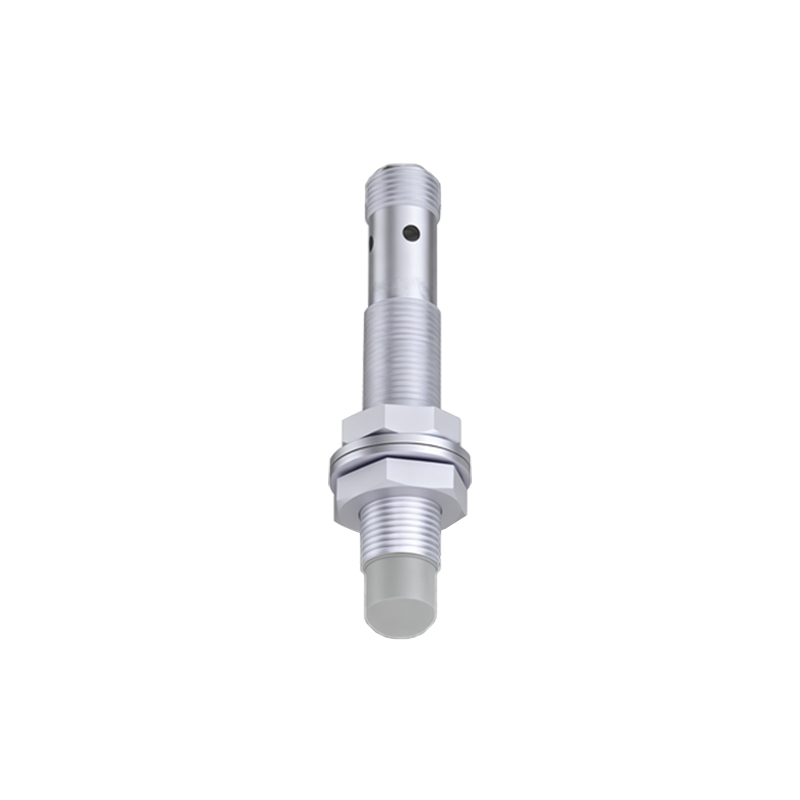
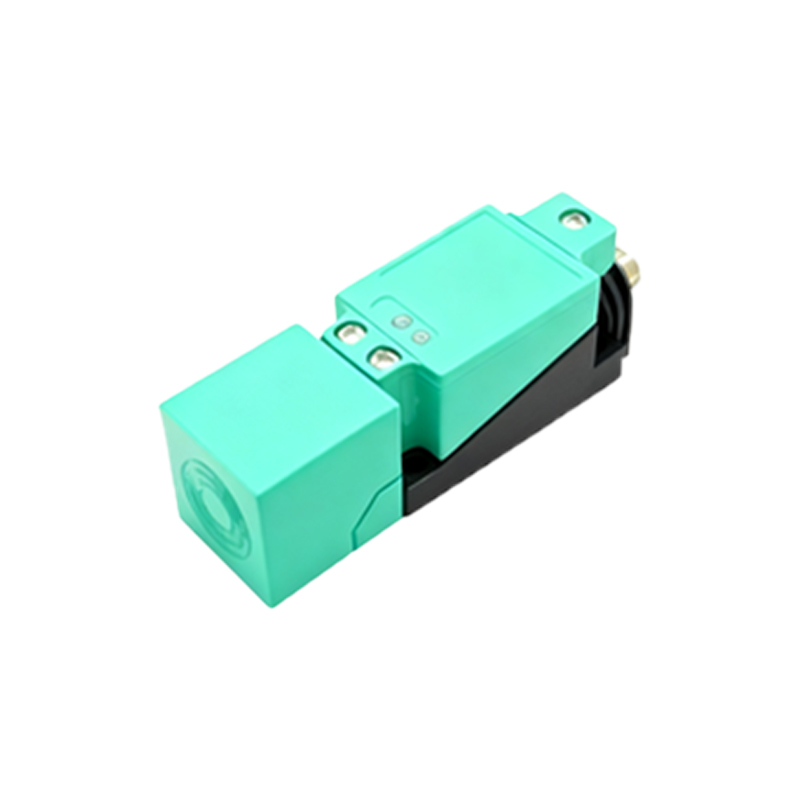
Thirdly, the breadth of product offerings and customization options add layers to the cost structure. Major brands provide an extensive portfolio—from standard cylindrical designs to rectangular, slot, and ring sensors. Special variants like analog output sensors, IO-Link enabled smart sensors, or those with specific approvals (e.g., ATEX for hazardous areas) involve additional certification and manufacturing steps. The ability to request custom cable lengths, connector types, or output configurations also contributes to a higher price point compared to generic, off-the-shelf alternatives.
Furthermore, the intangible value of the brand itself plays a crucial role. Established manufacturers invest heavily in global technical support, comprehensive documentation, configuration software, and readily available 3D models. They maintain extensive distribution networks to ensure supply chain stability. This ecosystem of support reduces engineering time, simplifies integration, and mitigates project risk. The price of a sensor from such a brand includes this peace of mind and the potential cost savings from avoiding production stoppages.
Finally, market dynamics and supply chain factors cannot be ignored. Global demand fluctuations, raw material costs (especially for semiconductors and metals), and logistical challenges impact pricing across all tiers. Branded sensors, with their complex supply chains and quality control checks, may experience these pressures differently than low-cost producers.
In conclusion, the price of a branded proximity sensor is a synthesis of its technological sophistication, rugged construction, performance guarantees, and the extensive support network behind it. For critical industrial applications, selecting a sensor based solely on the lowest purchase price can be a costly mistake in the long term. A thorough evaluation based on total cost of ownership—factoring in installation, maintenance, and potential failure costs—reveals the true value proposition offered by reputable brands. Engineers are advised to meticulously assess their application requirements against sensor specifications and leverage the technical expertise of suppliers to select the optimal solution that balances performance, durability, and budget.