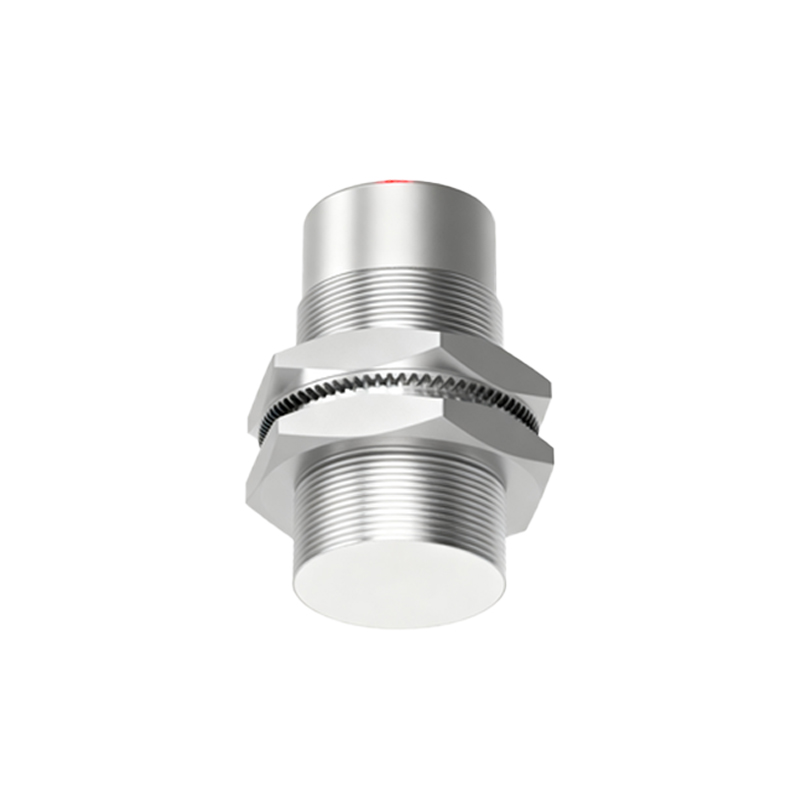
In the realm of industrial automation, precision and adaptability are paramount. Proximity sensors, as non-contact detection devices, play a critical role in monitoring position, presence, and movement of objects. However, their effectiveness is often contingent upon precise alignment. This is where the specialized adjustable bracket for left-right positioning becomes an indispensable component. Unlike fixed mounting solutions, these brackets offer a dynamic and flexible approach to sensor installation, ensuring optimal performance across diverse applications.
The primary function of a left-right adjustable bracket is to provide a controlled lateral movement for the proximity sensor after its initial mounting. This micro-adjustment capability is crucial for fine-tuning the sensor's detection field relative to the target object. In practice, even minor deviations in installation can lead to false triggers, missed detections, or reduced sensing range. The adjustable bracket mitigates these issues by allowing engineers and technicians to calibrate the sensor's position with high accuracy without the need for complete remounting. Typical construction involves a robust base plate for secure attachment to a machine frame or panel, and a sliding carriage or platform that holds the sensor. This carriage is equipped with a locking mechanism—often a set screw or a clamping lever—that allows it to be moved along a calibrated rail or slot and then firmly secured in the desired position.
The benefits of implementing such a bracket system are multifaceted. Firstly, it significantly reduces installation and commissioning time. During machine setup or sensor replacement, the bracket allows for quick alignment, minimizing downtime. Secondly, it enhances system reliability. Precise alignment ensures the sensor operates within its specified sensing range, improving detection consistency and longevity by preventing physical strain from misalignment. Thirdly, it offers future-proofing flexibility. If a production line is reconfigured or a different target object is introduced, the sensor's position can be easily readjusted to meet the new parameters, avoiding the cost and labor of purchasing new mounting hardware.
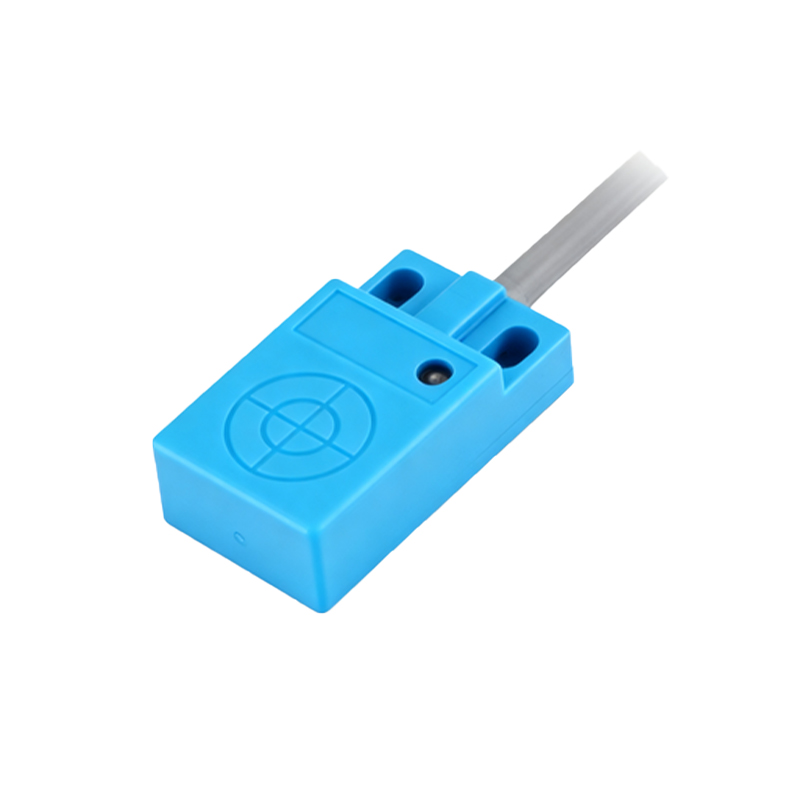
These brackets are commonly utilized in various industrial settings. On conveyor systems, they are used to position sensors for accurate package counting or sorting at specific lateral points. In robotic workcells, they ensure end-effector tools or part presence sensors are perfectly aligned. Within assembly machinery, they allow for the precise detection of component placement or piston position in cylinders. The design considerations for these brackets are rigorous. They are typically manufactured from durable materials like anodized aluminum or stainless steel to withstand harsh industrial environments, including exposure to oils, coolants, and vibration. The adjustment mechanism must provide smooth, backlash-free movement and maintain a firm, vibration-resistant lock to prevent positional drift during operation.
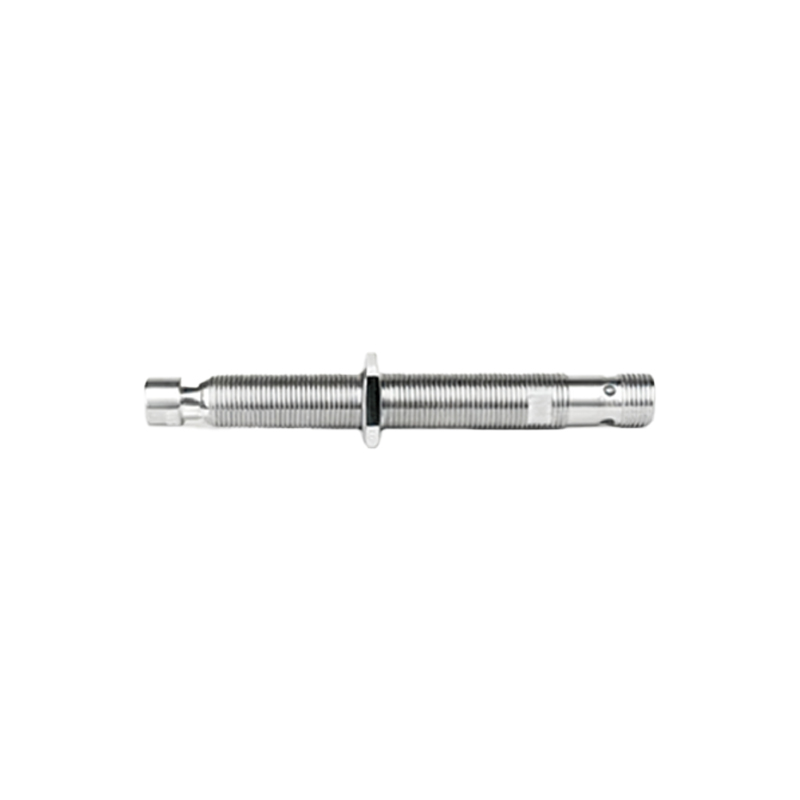
Selection of the appropriate adjustable bracket requires careful evaluation of several parameters. The mounting style (e.g., DIN rail, direct panel, or T-slot) must match the host machine. The range of lateral adjustment, often measured in millimeters, should accommodate the expected need for repositioning. The bracket's load capacity and material compatibility with the sensor and environment are also critical. Furthermore, the ease of adjustment—whether tool-based or tool-less—impacts maintenance efficiency.
In conclusion, the left-right adjustable bracket for proximity sensors is far more than a simple piece of hardware. It is a precision tool that bridges the gap between sensor capability and practical application. By enabling fine lateral adjustments, it ensures that the critical data provided by proximity sensors is accurate and reliable. For system integrators, maintenance engineers, and machine designers, incorporating these adjustable mounting solutions is a best practice that enhances operational efficiency, reduces long-term costs, and bolsters the overall robustness of automated systems. Investing in high-quality, well-designed adjustable brackets is an investment in the precision and flexibility that modern industrial automation demands.