Proximity sensors are indispensable components in modern industrial automation, offering non-contact detection of objects within their sensing range. These devices operate on various principles, including inductive, capacitive, ultrasonic, and magnetic technologies, each suited to specific applications. Inductive proximity sensors, for instance, detect metallic objects without physical contact, making them ideal for harsh environments where dust, oil, or moisture is present. They are commonly used in manufacturing lines for position sensing, part counting, and speed monitoring. For example, in automotive assembly, inductive sensors ensure components like engine blocks are correctly positioned before robotic welding, enhancing precision and reducing errors.
Capacitive proximity sensors can detect both metallic and non-metallic materials, such as plastics, liquids, or granular substances. This versatility makes them valuable in packaging industries, where they monitor fill levels in containers or detect presence of materials on conveyor belts. In food processing, capacitive sensors help prevent spills by ensuring proper filling, while in pharmaceutical settings, they verify packaging integrity without contamination risks. Ultrasonic sensors use sound waves to measure distance or detect objects, excelling in applications requiring long-range sensing or transparency detection. They are often deployed in material handling systems to control crane movements or in liquid level monitoring for tanks, providing reliable performance even in dusty or foggy conditions.
Magnetic proximity sensors, including reed switches and Hall effect sensors, respond to magnetic fields, making them suitable for safety and position sensing in machinery. In automated doors or elevators, they ensure smooth operation by detecting door positions, while in robotics, they provide feedback on actuator movements. The integration of proximity sensors with programmable logic controllers (PLCs) and industrial networks like PROFINET or EtherNet/IP enables real-time data acquisition, facilitating predictive maintenance and reducing downtime. For instance, sensors can alert operators to wear in machinery parts before failures occur, optimizing productivity.
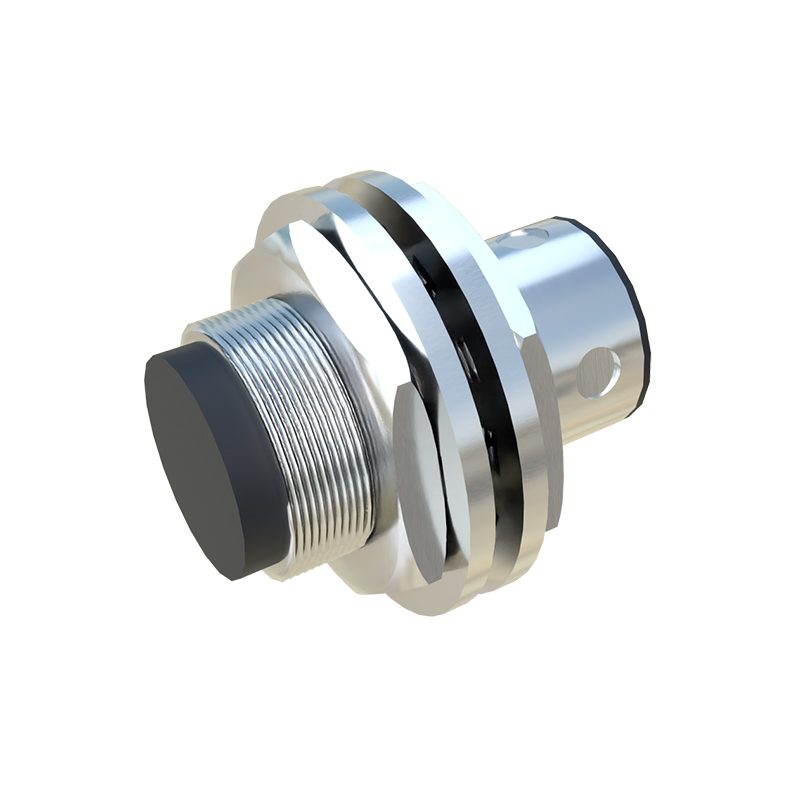
Advancements in sensor technology have led to miniaturization, increased sensing ranges, and enhanced durability. Modern proximity sensors feature robust housings rated IP67 or higher, resisting water, chemicals, and mechanical shocks. They also support Industry 4.0 initiatives by incorporating IoT capabilities, allowing remote monitoring and analytics. In smart factories, sensors contribute to energy efficiency by activating equipment only when needed, such as turning off conveyors during idle periods. Overall, proximity sensors play a critical role in improving safety, accuracy, and efficiency across industries from automotive to logistics, driving innovation in automation systems.