In the intricate world of industrial automation and machinery, proximity sensors and switches are the silent, indispensable sentinels. They detect the presence or absence of objects without physical contact, ensuring precision, safety, and efficiency. For engineers, maintenance technicians, and procurement specialists, the question often arises: where does one find reliable proximity sensors? The answer lies in a diverse ecosystem of suppliers, each catering to specific needs and scales.
The primary and most comprehensive source is direct from the Original Equipment Manufacturers (OEMs). Industry giants like Siemens, Omron, Schneider Electric, Rockwell Automation (Allen-Bradley), and Pepperl+Fuchs maintain extensive global distribution networks. Purchasing directly from them or their authorized distributors guarantees genuine products, full technical specifications, comprehensive warranties, and direct access to application engineering support. Their websites feature detailed catalogs, CAD drawings, and configuration tools, allowing for precise selection based on sensing distance, output type (PNP/NPN, NO/NC), housing material (e.g., stainless steel, brass, PBT), and protection ratings (IP67, IP69K). For large-scale OEM integration or mission-critical applications, this is often the preferred route.
For many end-users and maintenance departments, industrial distributors and wholesalers are the go-to solution. Companies like RS Components, Digi-Key, Newark, and Grainger, along with regional specialists, stock a vast array of proximity switches from multiple brands. Their strength lies in availability, fast shipping, and consolidated sourcing. They are ideal for replacement parts, small-batch purchases, prototyping, or urgent breakdown maintenance. Online platforms from these distributors offer powerful filtering options to narrow down choices by electrical characteristics, mounting style, and connection type (e.g., pre-wired cable, quick-disconnect).
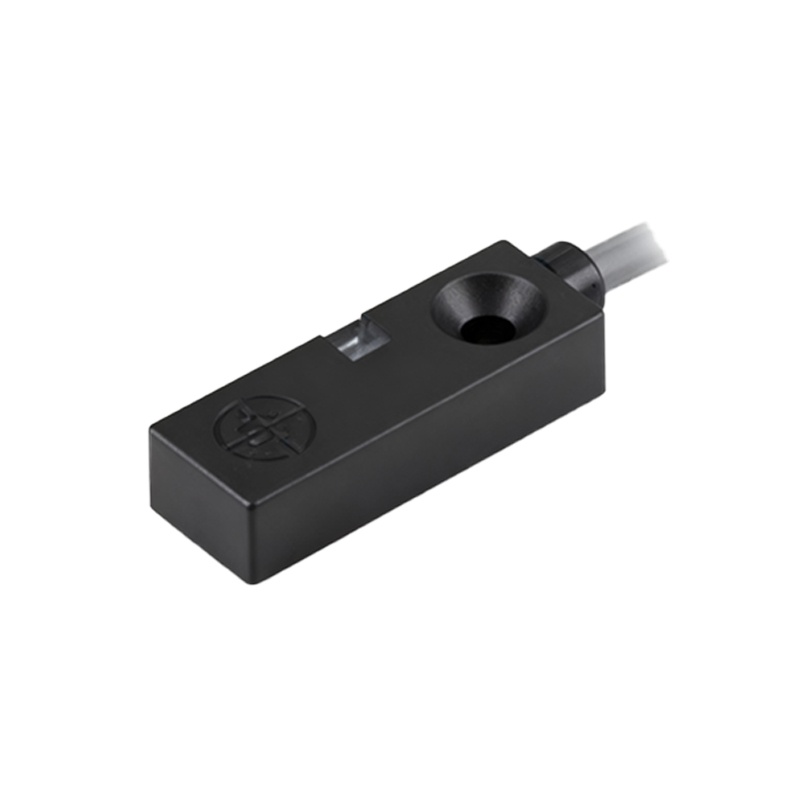
The digital marketplace has also become a significant channel. General e-commerce platforms like Amazon Business and eBay host numerous sellers offering proximity sensors. While this can be a source for very low-cost options or hard-to-find discontinued models, caution is paramount. Risks include counterfeit products, inaccurate specifications, and lack of technical support. It is crucial to verify seller ratings, ensure brand authenticity, and cross-reference part numbers. This channel is generally more suitable for non-critical applications or well-informed buyers who can thoroughly vet the product.
Beyond these, specialized automation solution providers and system integrators are key sources, especially for complex applications. These firms don't just sell components; they provide engineered solutions. They can assist in selecting the right sensor for challenging environments involving extreme temperatures, heavy washdowns, or strong electromagnetic interference. They often have expertise in specific industries like food and beverage, packaging, or automotive assembly, understanding the unique regulatory and performance requirements.
For those seeking highly customized or application-specific sensors, contacting manufacturers for custom design services is an option. This is necessary when standard offerings cannot meet unusual size constraints, specific sensing ranges, or special output signals. While this involves higher costs and longer lead times, it provides a tailor-made solution for proprietary machinery.
Finally, the secondary market, including surplus equipment dealers and refurbished parts suppliers, offers an alternative for cost-sensitive projects or legacy system maintenance. Here, one might find new-old-stock or professionally refurbished sensors for discontinued machinery lines.
In conclusion, sourcing proximity sensors requires matching the supplier to the project's criticality, scale, and technical complexity. For guaranteed performance and support, authorized OEM channels and reputable industrial distributors are recommended. For urgent needs or budget constraints, broad-spectrum distributors and carefully vetted online marketplaces can serve. Ultimately, a clear understanding of the application's technical requirements—such as sensing distance, target material, output configuration, and environmental durability—is the most important tool in navigating the vast marketplace and finding the right proximity switch, wherever it may be.