Distance and proximity sensors are fundamental components in modern automation, robotics, and countless smart devices. These sensors detect the presence or absence of an object within a defined range and, in the case of distance sensors, measure the exact interval to that target. Their operation hinges on various physical principles, leading to a diverse family of technologies each suited to specific environmental conditions and performance requirements.
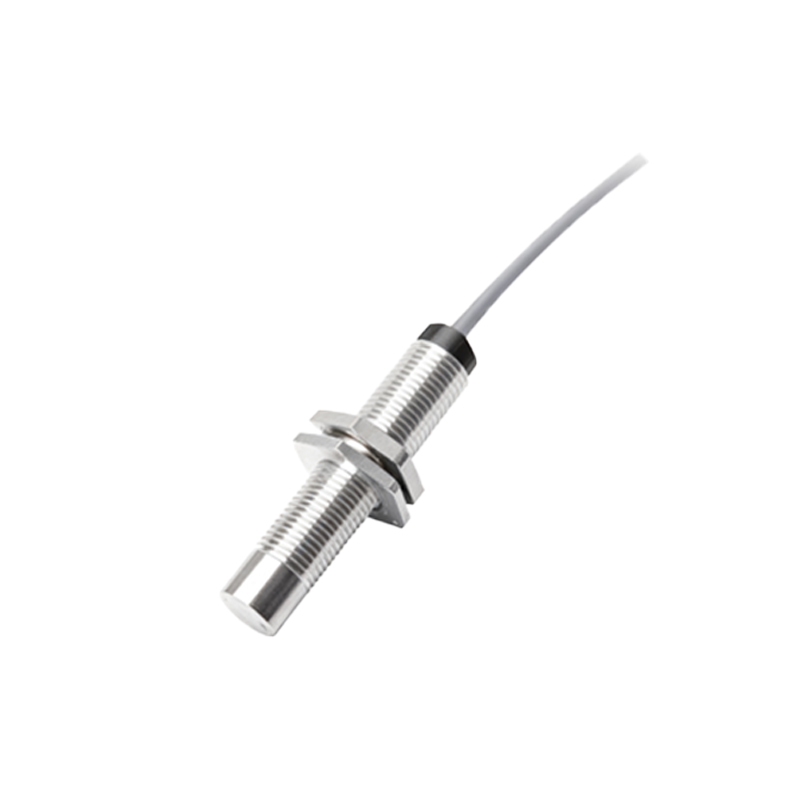
One of the most common and cost-effective types is the inductive proximity sensor. It generates an electromagnetic field and detects changes caused by metallic objects entering this field. Because they only react to metals, they are exceptionally reliable in harsh industrial environments filled with dust, oil, or moisture. You'll find them ubiquitously in factory automation for tasks like counting metal parts, detecting piston position in cylinders, or ensuring machine safety.
For non-metallic objects, including liquids, plastics, and wood, capacitive proximity sensors are the tool of choice. They function by detecting changes in capacitance, which occurs when any material with a different dielectric constant than air enters the sensing field. This makes them ideal for level detection in tanks, touch-sensitive interfaces, and detecting filled packages on a production line.
When precise distance measurement is required, ultrasonic sensors excel. They work on the principle of echolocation: emitting high-frequency sound pulses and calculating distance by measuring the time delay of the reflected echo. They perform well with a variety of materials and surfaces, are largely unaffected by color or ambient light, and can measure over longer ranges. Common applications include parking assist systems, robotic bin picking, and liquid level monitoring in large vessels.
Optical sensors, including infrared (IR) and laser-based variants (like LiDAR), offer high precision and fast response times. Infrared proximity sensors often use modulated light to avoid interference from ambient sources and are staples in devices like smartphones for screen blanking during calls. Laser distance sensors provide extremely accurate measurements over long distances and are critical in construction, surveying, and advanced robotics for 3D mapping.
The newest frontier involves time-of-flight (ToF) sensors, a sophisticated optical method. A ToF sensor emits a light signal (often laser or LED) and uses a specialized pixel array to measure the phase difference between the emitted and reflected light for each point, creating a depth map. This technology is rapidly enabling features like facial recognition for biometric security, gesture control in consumer electronics, and enhanced environmental perception for autonomous mobile robots.
Selecting the right sensor involves a careful analysis of several factors. The required sensing range, the material composition of the target object, environmental conditions (dust, light, temperature), required response speed, and accuracy are all critical. For instance, an inductive sensor is useless for detecting a glass bottle, just as an ultrasonic sensor may struggle with sound-absorbing materials like foam.
The integration of these sensors into the Internet of Things (IoT) and Industry 4.0 frameworks is amplifying their impact. Smart sensors with built-in microprocessors and digital communication protocols (like IO-Link) not only provide data but also diagnostic information about their own health and calibration status, enabling predictive maintenance and more flexible, data-driven manufacturing processes.
From ensuring the precise assembly of microelectronics to guiding autonomous vehicles and making our everyday devices more intuitive, distance and proximity sensors are the unseen enablers of a more automated and interactive world. Their continued evolution towards smaller sizes, lower power consumption, and greater intelligence promises to further blur the line between the physical and digital realms.