In the world of automation and smart technology, proximity sensors are the silent, unseen workhorses. But what exactly does a proximity sensor signify? At its core, it signifies the ability to detect the presence or absence of an object within a specific range without any physical contact. This simple yet profound capability forms the backbone of countless applications, from industrial assembly lines to the smartphone in your pocket.
The fundamental principle behind a proximity sensor is straightforward: it emits a field or a beam of electromagnetic radiation, often infrared light, an inductive electromagnetic field, or capacitive energy. It then looks for changes in the field or the return signal. When an object enters this predefined field, it causes a detectable change—a reflection of light, a disturbance in the electromagnetic field, or a change in capacitance. The sensor's circuitry interprets this change and triggers an electronic switch or sends a signal to a controller. This entire process happens in milliseconds, enabling real-time detection and response.
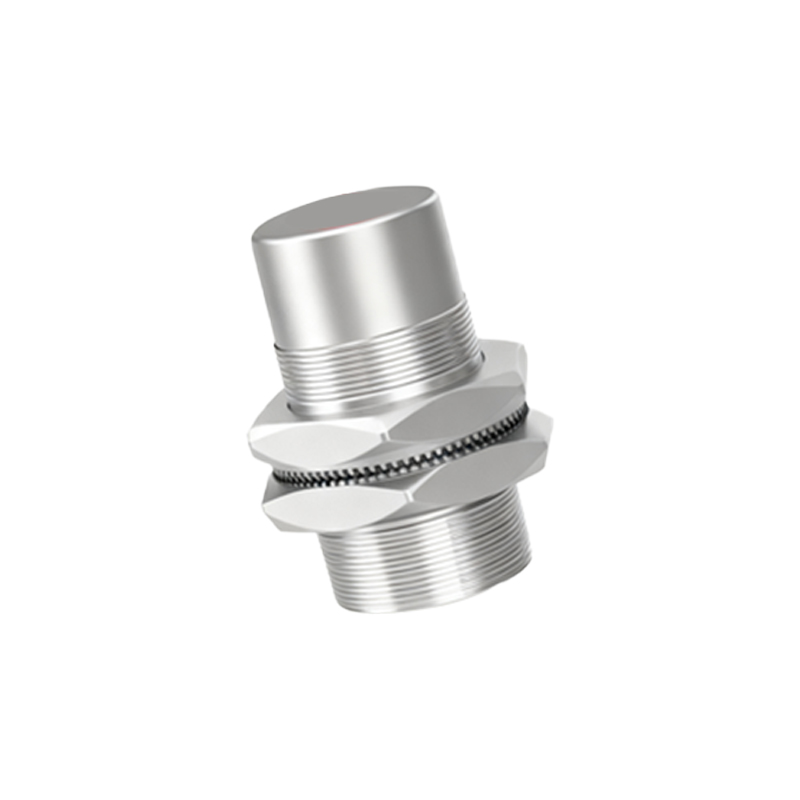
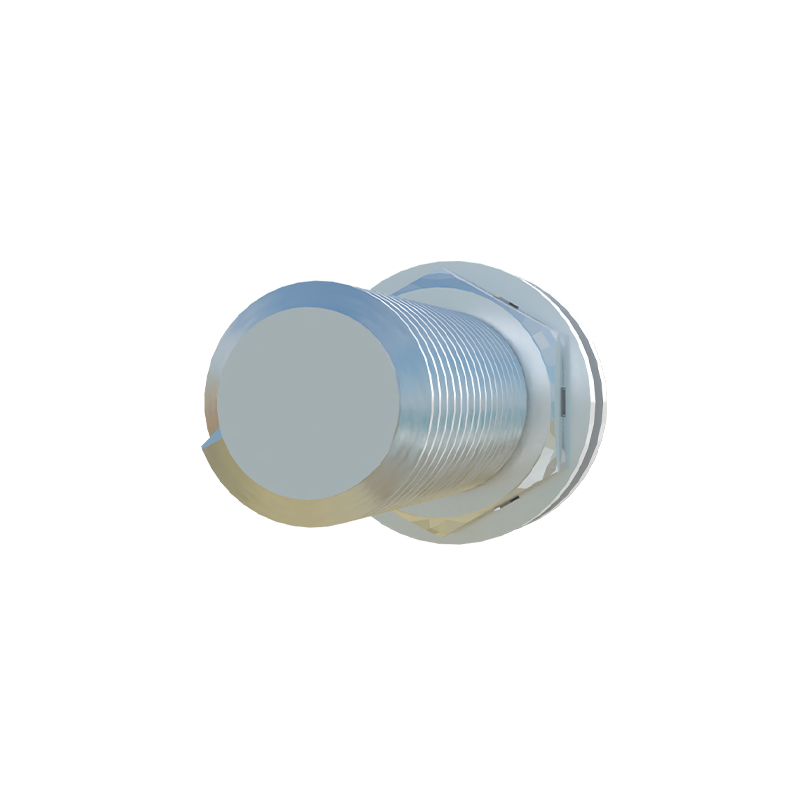
There are several primary types of proximity sensors, each suited to different materials and environments. Inductive proximity sensors are the champions of industrial settings. They generate an oscillating electromagnetic field and can only detect metallic objects. When a metal target enters this field, it induces eddy currents within the metal, which dampens the sensor's own oscillation and triggers the switch. These sensors are incredibly robust, resistant to dirt, dust, and moisture, making them ideal for harsh factory floors where they count parts, control machinery limits, or detect metal position.
For non-metallic objects, capacitive proximity sensors step in. They can detect virtually any material—plastic, wood, liquid, glass, or granules—by sensing changes in capacitance. The sensor forms one plate of a capacitor, with the target object acting as the other. As the object approaches, the capacitance increases until it reaches a threshold that triggers the switch. This makes them perfect for level detection in tanks (liquid or powder), material handling, and even touch-sensitive interfaces.
Another common type is the photoelectric proximity sensor, which uses light. It consists of a light emitter (usually an LED) and a receiver. In the most common "diffuse" or "reflective" mode, the sensor emits a light beam, and the receiver detects the light reflected back from the target object. These sensors have longer sensing ranges and can detect objects of almost any material, color, or finish, though they can be affected by environmental factors like dust or ambient light. They are widely used in packaging, material handling, and automated doors.
Ultrasonic sensors work on a similar principle but use sound waves instead of light. They emit high-frequency sound pulses and measure the time it takes for the echo to return. This allows them to detect objects regardless of color, transparency, or material, and they are excellent for measuring distance or detecting clear objects like glass bottles. Applications include palletizing, collision avoidance in vehicles, and level monitoring.
So, what does the widespread use of proximity sensors tell us? It signifies a move towards greater efficiency, safety, and intelligence in systems. In manufacturing, they enable precise, high-speed automation, reducing errors and downtime. In consumer electronics, the proximity sensor in your phone turns off the screen during a call to save power and prevent accidental touches. In automotive applications, they are crucial for parking assistance systems and collision avoidance. They enhance safety by acting as non-contact guards on dangerous machinery, stopping operation if a person gets too close.
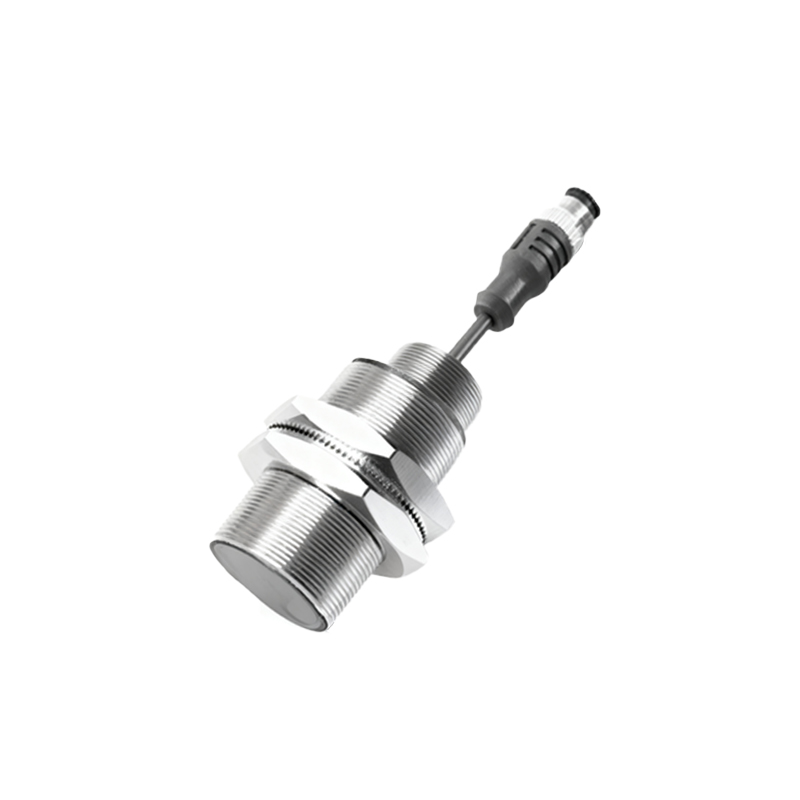
Choosing the right proximity sensor depends on several factors: the material of the target object, the required sensing distance, the environmental conditions (temperature, presence of contaminants), the required response speed, and electrical output needs. Understanding these variables is key to implementing a reliable and effective sensing solution.
In conclusion, a proximity sensor is more than just a switch. It signifies the critical bridge between the physical world and the digital control system. It represents the ability to gather information about the environment without interference, enabling machines to "sense" and react. As the Internet of Things (IoT) and Industry 4.0 continue to evolve, the role of these versatile, reliable sensors will only become more central, forming the essential sensory layer of our increasingly intelligent world.