In the rapidly evolving landscape of industrial automation and precision measurement, line laser sensors have emerged as a cornerstone technology. Their ability to project a sharp, consistent laser line onto a target for high-accuracy 2D/3D profiling makes them indispensable in sectors like automotive manufacturing, electronics assembly, and quality control. A common and critical question among engineers, procurement specialists, and system integrators is: "What determines the price of a line laser sensor?" The answer is multifaceted, extending far beyond a simple specification sheet. The cost is a direct reflection of the underlying technology, performance parameters, and the robustness required for industrial environments.
At the core of pricing is the laser source and optics. Sensors utilizing high-quality, stable Class 2M (or similar) laser diodes with precise wavelength control (commonly 405nm blue-violet, 450nm blue, 520nm green, or 650nm red) command a higher price. The choice of wavelength affects performance in different scenarios; for instance, blue lasers often perform better on shiny or metallic surfaces, adding to the cost. The lens assembly, responsible for generating a thin, uniform, and minimally divergent line, involves precision glass optics. The complexity of achieving a perfectly straight line with consistent intensity across its entire length, especially in longer line models (e.g., 300mm, 500mm, or more), significantly impacts manufacturing costs.
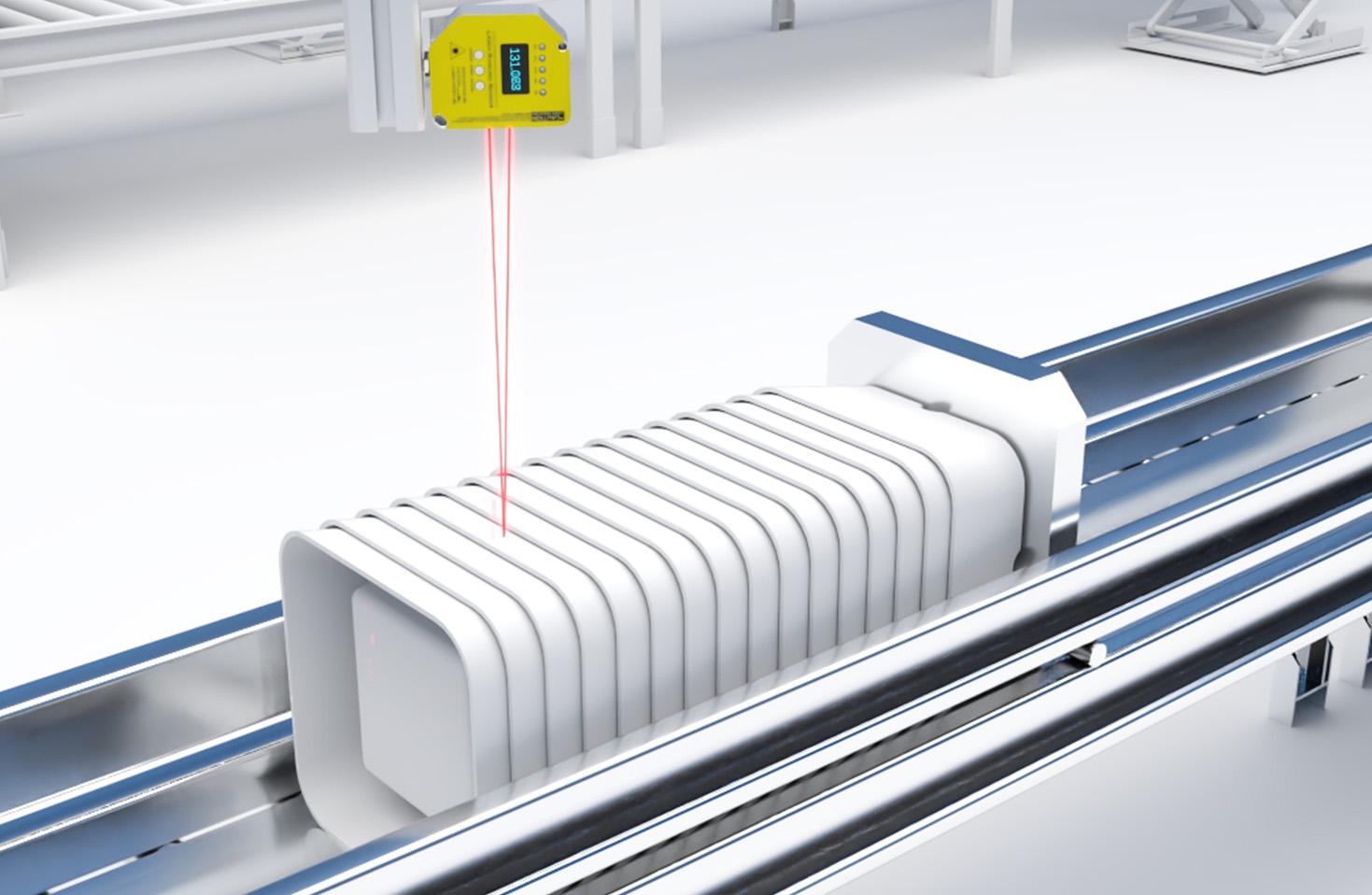
Performance specifications are the most visible drivers of price. Key metrics include:
* Measurement Resolution and Accuracy: A sensor offering sub-micron resolution for microscopic inspection will be orders of magnitude more expensive than one designed for millimeter-level positioning tasks.
* Scanning Speed (Profile Rate): High-speed applications, such as inspecting moving webs or fast-moving assembly lines, require sensors with profile rates exceeding 10 kHz. This demands high-speed CMOS sensors and powerful processing electronics, increasing the price.

* Line Length and Working Distance: Longer line lengths and specific, often longer, working distances require more sophisticated optical designs and calibration, raising the unit cost.
* Z-axis (Height) Measurement Range: A wider measurable height range without losing accuracy typically involves more complex triangulation algorithms and calibration.
The sensor's construction and environmental ratings are crucial for industrial pricing. A housing rated at IP67 (dust-tight and waterproof) or higher, often made of ruggedized metal, protects against coolant, oil, dust, and mechanical shock. Sensors designed for use in extreme temperatures or in washdown environments incorporate additional sealing and thermal management, adding to the bill of materials and engineering complexity.
Embedded processing and software form another substantial component. "Smart" sensors with onboard processors that handle complex point cloud generation, filtering, and basic measurements in real-time reduce the load on a central PC but increase the sensor's cost. The sophistication of the accompanying SDK (Software Development Kit), configuration software, and compatibility with industry standards (GigE Vision, GenICam, PLC protocols) also contributes to the overall value and price. Open, well-documented interfaces often correlate with a premium.
Brand reputation, support, and certification play a significant yet sometimes intangible role. Established manufacturers with a proven track record in industrial sensing invest heavily in R&D, rigorous quality control, and global technical support. This reliability and the assurance of long-term availability justify a price premium over lesser-known brands. Furthermore, certifications for use in specific regulated industries (e.g., automotive, food and beverage, pharmaceuticals) involve additional testing and compliance costs.
Finally, the purchase volume and configuration directly affect the final price. Buying a single, highly customized sensor for an R&D project will have a much higher unit cost than procuring 500 standardized units for a production line. Accessories like mounting brackets, dedicated cables, and protective windows also add to the total system cost.
In summary, the price spectrum for line laser sensors is broad, ranging from a few hundred dollars for basic, low-speed, short-line models to several thousand dollars or more for high-speed, high-accuracy, ruggedized units with advanced software. The most cost-effective strategy is not to seek the cheapest option but to conduct a thorough analysis of the application requirements. Investing in a sensor with precisely matched specifications—avoiding both under-specification that risks project failure and over-specification that wastes capital—ensures optimal performance and long-term return on investment in any automated system.