Proximity sensors are essential components in industrial automation, enabling non-contact detection of objects in various applications. However, like any electronic device, they can encounter operational challenges. This article outlines frequent problems with proximity sensors and provides practical solutions to ensure reliable performance.
One common issue is false triggering or erratic behavior. This often occurs due to environmental interference, such as electromagnetic noise from nearby motors, welding equipment, or power lines. To mitigate this, ensure proper shielding of sensor cables and use twisted-pair wiring to reduce noise pickup. Additionally, installing ferrite cores on cables near noise sources can suppress high-frequency interference. Positioning sensors away from high-power devices and grounding the sensor housing properly also help stabilize operation.
Another frequent problem is reduced sensing range or failure to detect objects. This can stem from sensor misalignment, accumulation of dirt or debris on the sensing face, or incorrect installation. Regularly clean the sensor surface with a soft cloth and non-abrasive cleaner to maintain sensitivity. Verify that the target material and size are compatible with the sensor’s specifications—for instance, inductive sensors may not detect non-metallic objects effectively. Adjust the sensor’s mounting angle and distance according to the manufacturer’s guidelines, and ensure the target passes within the specified sensing range.
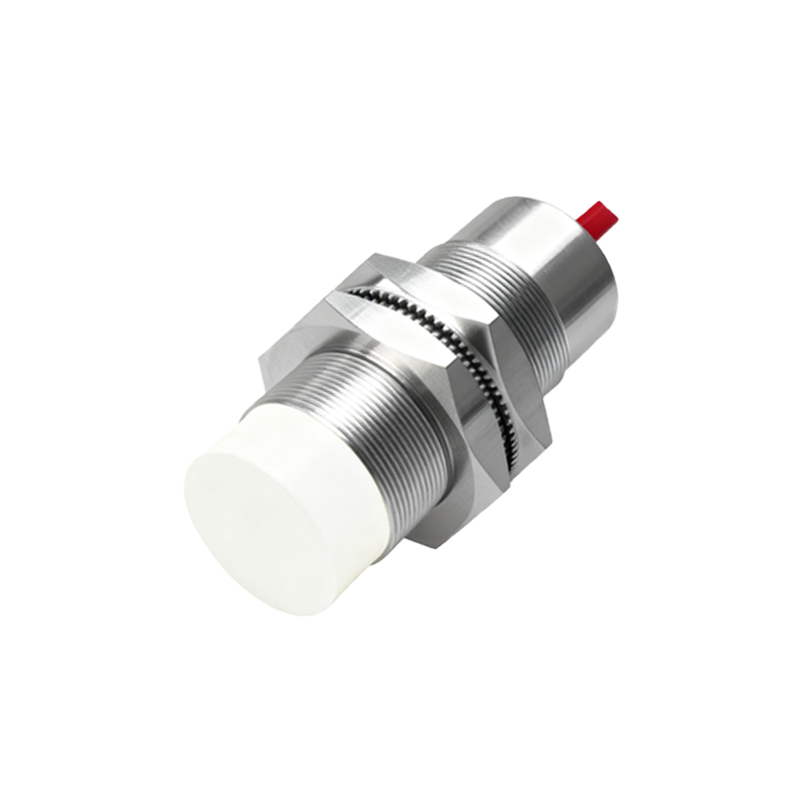
Temperature extremes can also affect sensor performance. High temperatures may cause internal components to degrade, while low temperatures can lead to condensation or icing on the sensor face. Select sensors rated for the operating temperature range of your environment. For harsh conditions, consider using ruggedized models with IP67 or higher ingress protection. In cold settings, installing heaters or enclosures can prevent condensation buildup.
Wiring and power supply issues are another source of malfunctions. Incorrect voltage levels, loose connections, or overloaded circuits can lead to sensor failure. Always use the recommended power supply voltage (e.g., 10-30 VDC for many models) and check wiring diagrams to confirm proper connections. Implement surge protection devices if voltage spikes are common in your facility. Regularly inspect cables for damage and secure terminals to avoid disconnection.
Sensor wear and tear over time is inevitable, especially in high-vibration or abrasive environments. Mechanical stress can loosen mounts or damage internal electronics. To address this, choose sensors with robust housings (e.g., stainless steel) and vibration-resistant designs. Schedule periodic maintenance to tighten mounts and replace sensors showing signs of physical damage. Monitoring sensor output with diagnostic tools can help detect early degradation.
Finally, compatibility issues with control systems may arise, particularly when integrating sensors with PLCs or other devices. Mismatched output types (e.g., NPN vs. PNP) or incorrect parameter settings can cause communication failures. Consult the sensor and controller manuals to ensure compatibility. Use interface modules if necessary to convert signals, and test the system under actual operating conditions before full deployment.
In summary, proactive maintenance, correct installation, and environmental considerations are key to minimizing proximity sensor problems. By understanding these common issues and applying targeted solutions, engineers can enhance system uptime and efficiency in industrial settings.