In the rapidly evolving landscape of industrial automation, the demand for reliable, high-performance sensing solutions has never been greater. Among the key components driving this progress is the inductive proximity sensor chip M9, a sophisticated integrated circuit designed to detect metallic objects without physical contact. This article delves into the technical specifications, operational principles, and diverse applications of the M9 chip, offering insights for engineers and industry professionals seeking to optimize their systems.
The M9 chip operates on the fundamental principle of electromagnetic induction. It generates an alternating magnetic field via an internal oscillator circuit connected to a coil. When a metallic object enters this field, eddy currents are induced on the object's surface, causing a change in the oscillation amplitude or frequency within the chip. The M9's integrated circuitry precisely monitors these variations, converting them into a clear digital or analog output signal that indicates the presence or absence of the target. This non-contact detection method ensures minimal wear and tear, contributing to the sensor's longevity and reliability in harsh industrial environments.
Key technical features of the M9 chip include its high sensitivity, which allows for the detection of various metals including iron, steel, aluminum, and copper, albeit with different sensing distances due to material permeability. The chip typically supports a sensing range from a few millimeters up to several centimeters, depending on the coil size and configuration. It boasts a fast response time, often in the microsecond range, making it suitable for high-speed automation processes such as counting, positioning, and speed monitoring on conveyor lines. Furthermore, the M9 is designed with robust electromagnetic compatibility (EMC), resisting interference from nearby motors, inverters, or other electrical noise sources common in factories. Its operating voltage range is versatile, commonly spanning from 10 to 30 V DC, aligning with standard industrial power supplies.
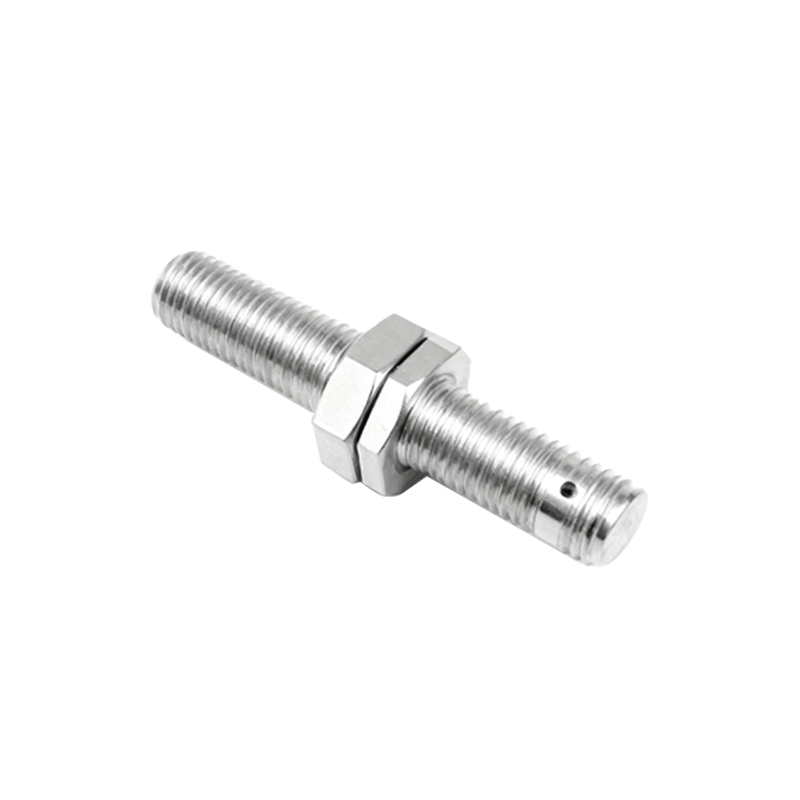
A significant advantage of the M9 inductive proximity sensor chip is its integrated design, which often includes built-in protection against short-circuits, reverse polarity, and overload conditions. This enhances system safety and reduces the need for external protective components. Many versions also feature temperature compensation circuits, ensuring stable performance across a wide temperature range, typically from -25°C to +85°C, which is critical for applications in automotive manufacturing, food processing, or outdoor machinery.
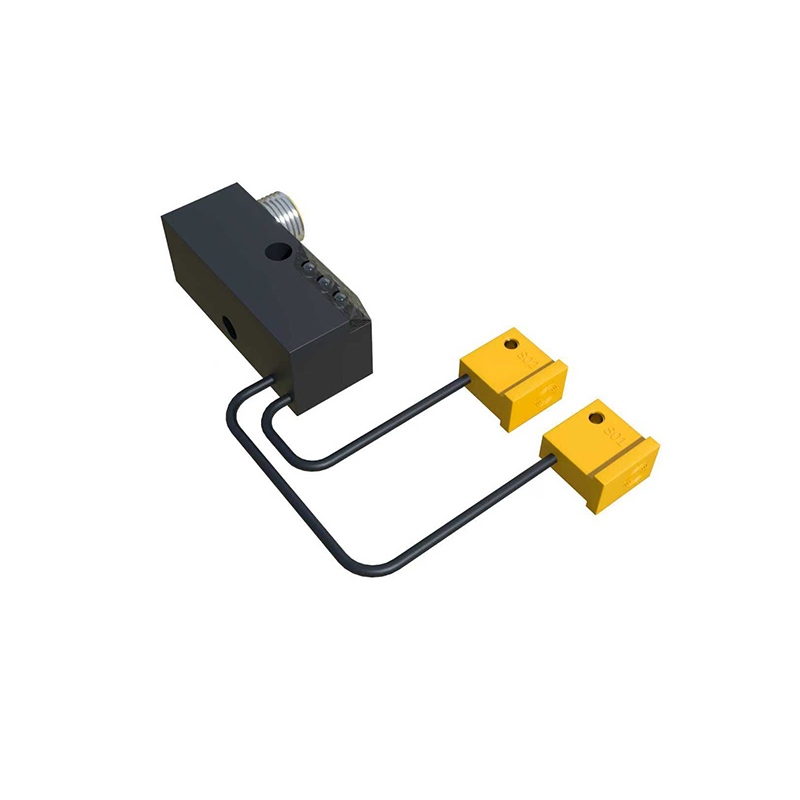
In practical applications, the M9 chip is ubiquitous. In automotive assembly lines, it is used for detecting piston positions, gear teeth, or verifying the presence of metal components. Within packaging machinery, it ensures precise bottle cap placement or monitors fill levels by detecting metal lids. In metalworking, it serves as a limit switch for CNC machines or checks for broken tools. Its immunity to dust, oil, and moisture—unlike optical sensors—makes it ideal for dirty or wet conditions, such as in mining equipment or agricultural vehicles.
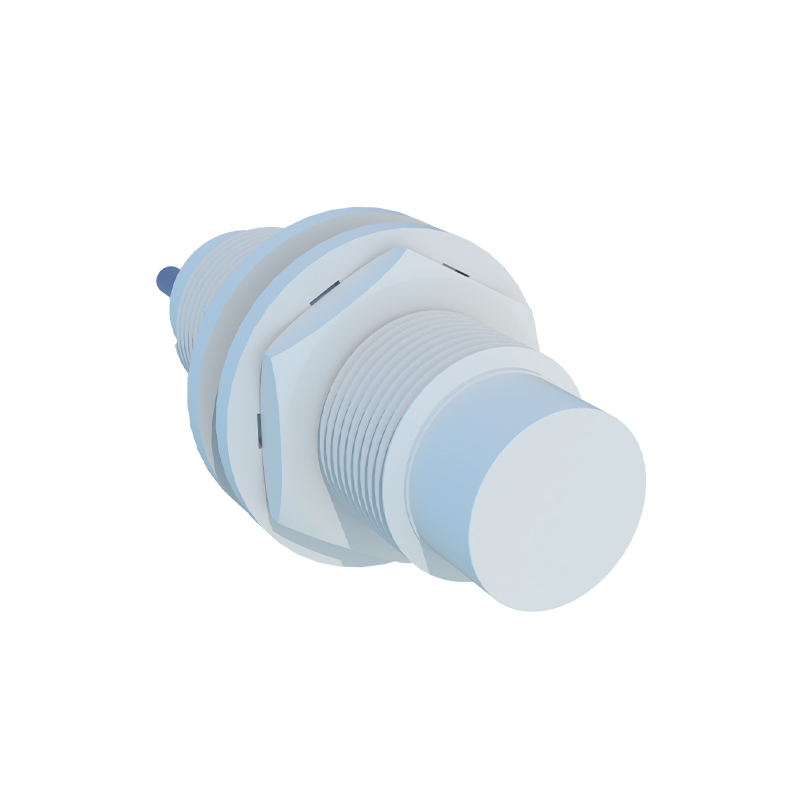
When integrating the M9 chip, engineers must consider factors like the target material, size, and required sensing distance. Mounting orientation and the presence of other metals in the vicinity can also affect performance, necessitating careful installation. Regular maintenance, though minimal, involves checking for physical damage to the coil or housing and ensuring electrical connections remain secure.
Looking ahead, advancements in the M9 series and similar inductive sensor chips focus on miniaturization, lower power consumption, and enhanced smart features like IO-Link communication for predictive maintenance and data integration into Industry 4.0 networks. These developments promise to further solidify the role of inductive sensing in building more efficient, interconnected, and resilient automated systems.
For professionals in electrical engineering and industrial automation, understanding the capabilities and implementation nuances of the M9 inductive proximity sensor chip is essential. It represents a blend of proven electromagnetic theory and modern microelectronics, offering a dependable solution for countless detection tasks that form the backbone of contemporary manufacturing and control systems.