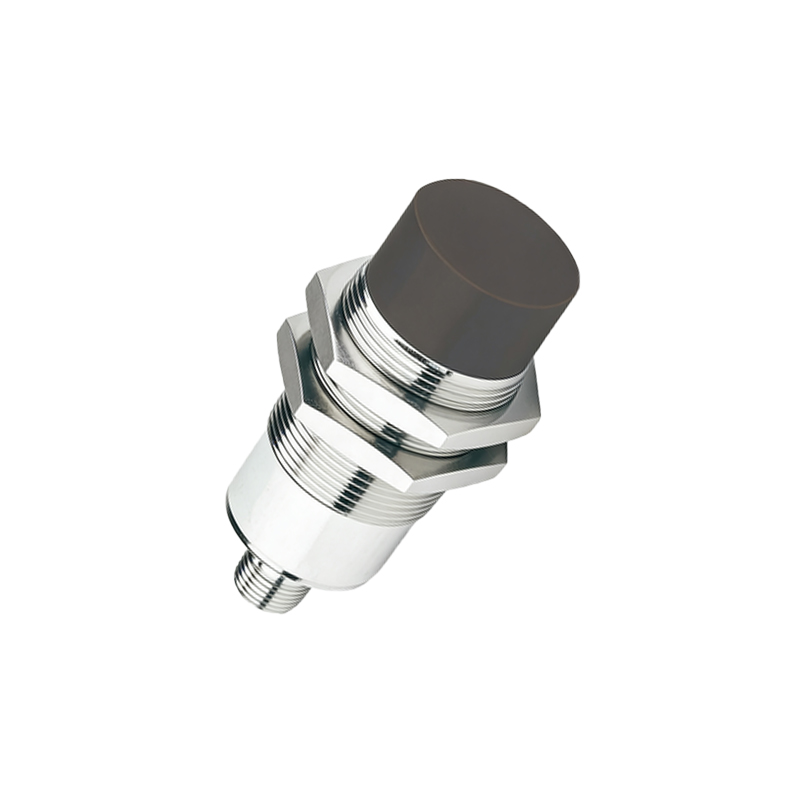
Proximity sensors are a critical component in modern industrial automation, offering non-contact detection of objects within a specific range. Among the various types available, the separation-type proximity sensor stands out for its unique design and functionality. This article delves into the principles, types, and applications of separation-type proximity sensors, providing insights for engineers and industry professionals.
A separation-type proximity sensor, also known as a split or separable proximity sensor, consists of two distinct parts: a sensor head and a separate amplifier or control unit. Unlike integrated models, these components are physically separated, connected via cables. This design allows for flexible installation in tight or harsh environments where space is limited, as the sensor head can be mounted in challenging locations while the amplifier is placed in a more accessible area. The separation enhances durability, as the sensitive electronic parts are shielded from extreme temperatures, vibrations, or contaminants.
The working principle of separation-type proximity sensors is based on electromagnetic, capacitive, or inductive technologies. Inductive sensors, the most common type, detect metallic objects by generating an electromagnetic field. When a metal object enters this field, it induces eddy currents, causing a change in the sensor's oscillation. This change is processed by the amplifier unit, which triggers an output signal. Capacitive sensors, on the other hand, can detect both metallic and non-metallic materials by measuring changes in capacitance. The separation design ensures that the sensing element remains compact and robust, while the amplifier handles signal conditioning and output functions.
Key advantages of separation-type proximity sensors include enhanced flexibility and reliability. By separating the sensing head from the amplifier, engineers can optimize placement for specific applications, such as in machinery with limited clearance or high-temperature zones. This reduces the risk of damage to the amplifier, extending the sensor's lifespan. Additionally, the modular nature allows for easy maintenance and replacement; if the sensor head is damaged, it can be swapped out without replacing the entire unit, saving time and costs. These sensors are also known for their high precision and fast response times, making them ideal for high-speed automation processes.
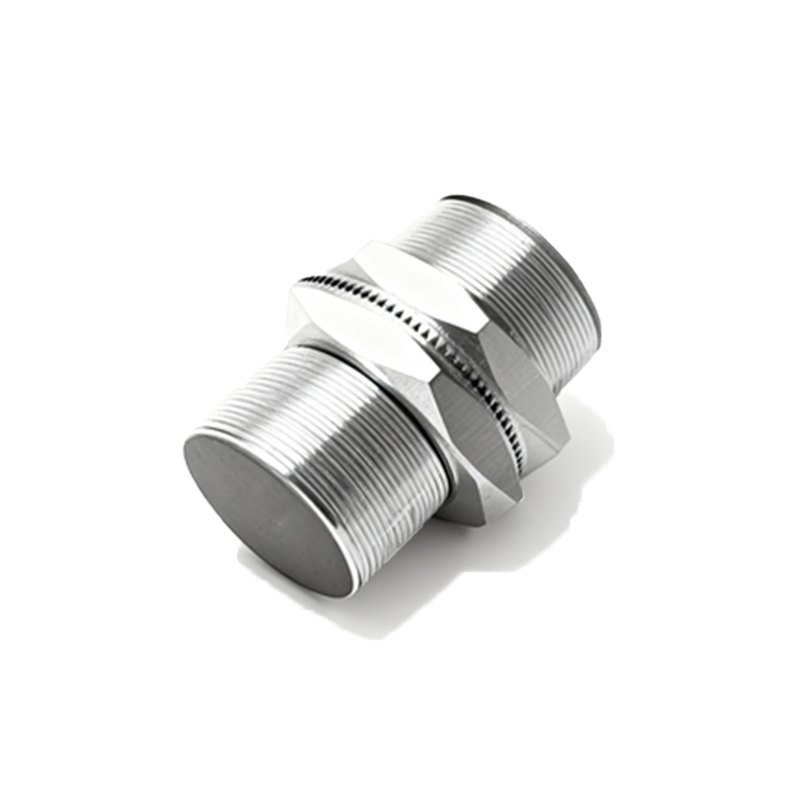
In industrial applications, separation-type proximity sensors are widely used across various sectors. In manufacturing, they monitor object presence on conveyor belts, detect part positioning in assembly lines, and ensure safety by triggering emergency stops when objects breach predefined zones. The automotive industry relies on them for robotic welding and painting systems, where sensors must withstand harsh conditions. In packaging, they verify product counts and align materials, while in food processing, their sealed designs prevent contamination. The separation feature is particularly valuable in environments with extreme temperatures or vibrations, such as in metalworking or heavy machinery.
When selecting a separation-type proximity sensor, engineers should consider factors like sensing distance, material compatibility, and environmental conditions. For instance, inductive sensors are best for metallic objects, with sensing ranges typically from a few millimeters to several centimeters. Capacitive sensors offer broader material detection but may require calibration for specific substances. The choice of cable length and connector type is crucial to ensure reliable signal transmission between the sensor head and amplifier. It's also important to check IP ratings for protection against dust and moisture, especially in outdoor or washdown applications.
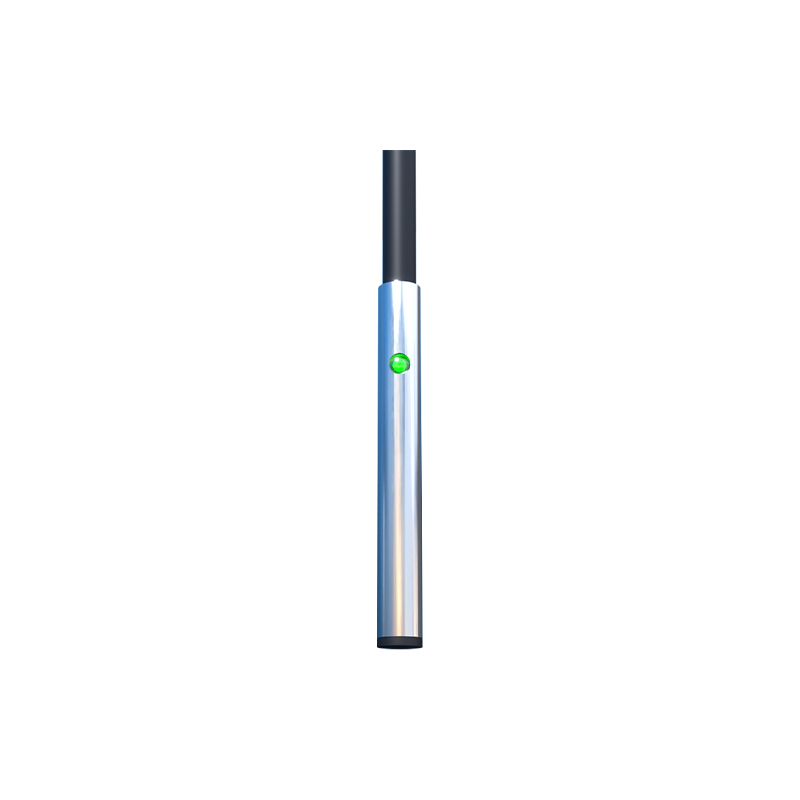
Installation and maintenance tips include ensuring proper alignment of the sensor head to avoid false triggers, using shielded cables to minimize electromagnetic interference, and regularly inspecting connections for wear. Calibration may be needed for capacitive sensors to account for environmental changes. By following best practices, these sensors can deliver consistent performance, reducing downtime and improving operational efficiency.
In summary, separation-type proximity sensors offer a versatile and durable solution for non-contact detection in demanding industrial settings. Their split design enhances adaptability and longevity, making them a preferred choice for engineers seeking reliable automation components. As technology advances, these sensors continue to evolve, incorporating features like digital interfaces and smart diagnostics to meet the growing demands of Industry 4.0. Understanding their functionality and applications can help professionals optimize their systems for greater productivity and safety.