In the realm of industrial automation and machinery, proximity switch sensors are indispensable components. They detect the presence or absence of an object without physical contact, enabling precise control in manufacturing, packaging, and assembly lines. However, the reliable performance of these sensors is not solely dependent on their internal electronics; their secure installation is paramount. This is where the critical, yet often overlooked, component comes into play: the adhesive, or sensor glue.
Selecting the right adhesive for mounting a proximity sensor is a nuanced decision that impacts long-term reliability, maintenance costs, and system uptime. An inappropriate adhesive choice can lead to sensor misalignment, vibration-induced failure, or damage during maintenance, ultimately causing costly production halts.
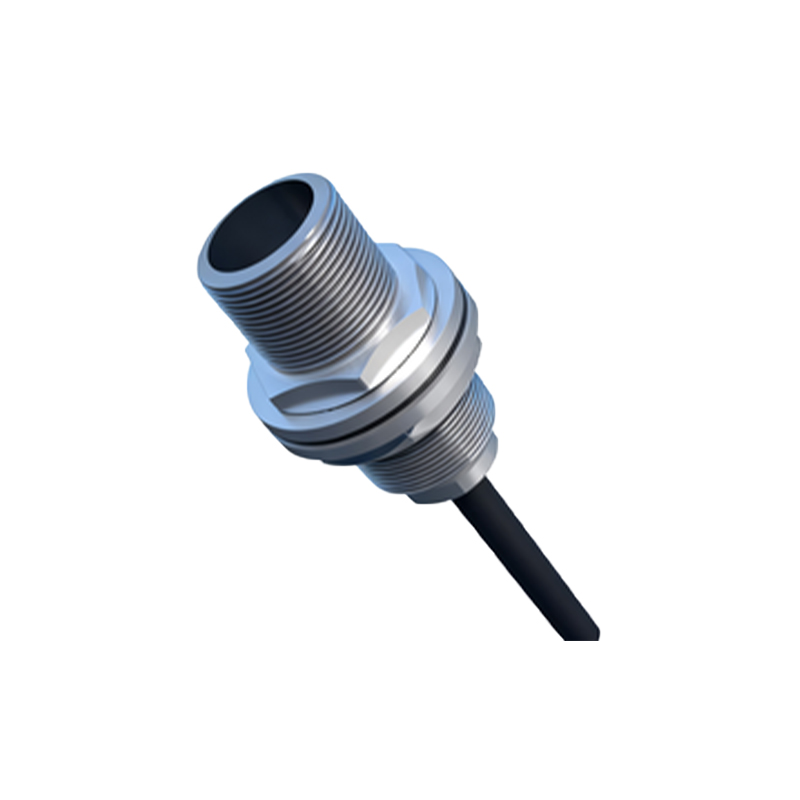
The primary function of the adhesive is to create a permanent, rigid, and stable bond between the sensor housing and its mounting surface—typically metal, plastic, or painted substrates in harsh industrial environments. This bond must withstand constant challenges. Operational vibrations from machinery can gradually loosen mechanical fasteners or degrade weak bonds. Thermal cycling is another major factor; adhesives must maintain integrity across a wide temperature range, from the chill of a refrigerated warehouse to the heat near an oven or motor. Exposure to industrial coolants, oils, solvents, and occasional moisture ingress further tests the adhesive's chemical resistance.
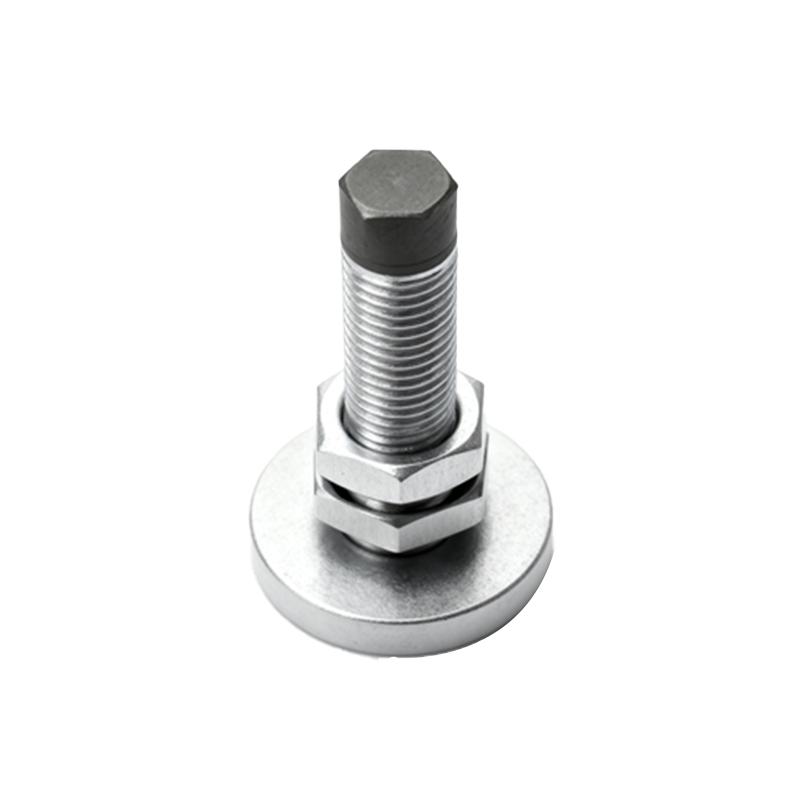
Several adhesive technologies are commonly employed for this purpose, each with distinct properties. Epoxy-based adhesives are a popular choice for their exceptional strength, durability, and resistance to chemicals and high temperatures. They form a rigid, gap-filling bond ideal for heavy-duty applications where sensors are subject to significant stress. However, their permanent nature and longer curing times can be a drawback for applications requiring future repositioning.
Cyanoacrylate adhesives, often called "instant" or "super" glues, offer rapid bonding on small, close-fitting surfaces. They provide high shear strength but can be brittle and may not perform well with gaps or on certain plastics. Their resistance to moisture and temperature fluctuations is generally lower than that of epoxies.
Anaerobic adhesives cure in the absence of air and between tight metal fittings. They are excellent for thread-locking and retaining bearings but are less suitable for general sensor mounting where gaps might be present.
Modified acrylic adhesives (also known as reactive acrylics or second-generation acrylics) offer a strong balance. They provide high impact and peel strength, good environmental resistance, and the ability to bond a variety of substrates, including some oily metals, with less stringent surface preparation. Their flexibility can be advantageous in applications with slight substrate movement.
Beyond chemical type, the formulation is key. Many industrial-grade sensor adhesives are enhanced with specific fillers to improve thermal conductivity, electrical insulation, or vibration damping. For instance, a thermally conductive adhesive can help dissipate heat from a sensor operating near a hot process, prolonging its lifespan.
The mounting surface preparation cannot be overstated. For maximum bond strength, surfaces must be clean, dry, and free from oil, grease, and loose particles. Isopropyl alcohol is commonly used for degreasing. Some adhesives are formulated to tolerate mildly contaminated surfaces, but best practice always involves thorough cleaning.
Application methodology also influences success. Dual-component epoxies require precise mixing. Single-component adhesives may require UV light or surface-activated primers to cure. Ensuring the correct adhesive bead size and placement guarantees full contact area and avoids spillage onto sensitive sensor faces or sensing elements.
In conclusion, the adhesive securing a proximity switch sensor is a vital element of the sensing system's integrity. It is not a one-size-fits-all solution. A careful evaluation of the operating environment—encompassing mechanical stresses, temperature extremes, chemical exposures, and substrate materials—is essential for specifying the correct adhesive. Consulting with adhesive manufacturers and sensor suppliers for their recommended products and procedures is a prudent step. By investing time in this selection process, engineers and maintenance personnel can ensure sensor stability, reduce failure rates, and achieve the seamless, uninterrupted operation that modern industrial automation demands. The right glue, quite literally, holds the system together.