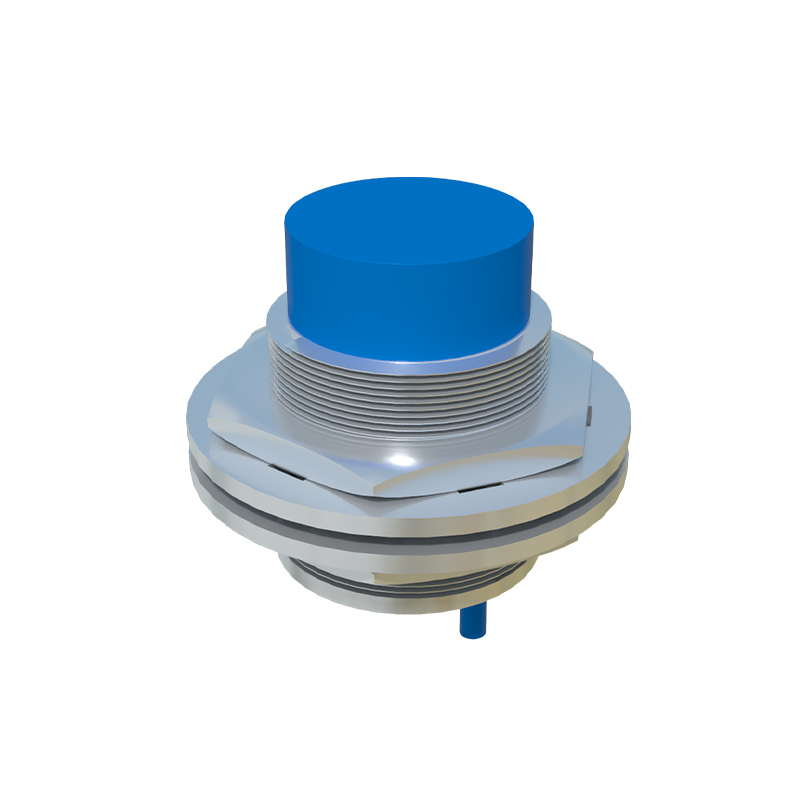
In industrial automation, proximity sensors are indispensable components for detecting the presence or absence of objects without physical contact. However, false triggering—where sensors activate without a valid target—remains a persistent challenge that can disrupt production lines, cause equipment damage, and lead to costly downtime. Understanding the root causes and implementing effective countermeasures is critical for maintaining system reliability.
One primary cause of false triggering is environmental interference. Electromagnetic noise from motors, variable frequency drives (VFDs), or welding equipment can induce stray signals in sensor circuits, leading to erratic behavior. Similarly, conductive debris like metal chips or dust accumulating on the sensor face may mimic a target, causing unintended activation. In washdown environments, moisture ingress or chemical residues can also alter sensor characteristics. To mitigate these issues, engineers should select sensors with robust shielding, appropriate IP ratings, and environmental hardening. Using twisted-pair cables, grounding shields at one end, and installing filters or ferrite cores on signal lines can further suppress electrical noise.
Sensor misalignment or improper installation is another common culprit. If a sensor is mounted too close to a moving part or at an incorrect angle, vibrations, mechanical shocks, or passing objects may trigger false readings. For example, a capacitive sensor might react to background materials like conveyor belts, while an inductive sensor could be influenced by nearby metal structures. Adhering to manufacturer-specified mounting distances, employing adjustable brackets, and verifying alignment during commissioning are essential steps. Additionally, tuning sensitivity settings—such as reducing the gain on ultrasonic sensors or adjusting hysteresis—can help ignore irrelevant stimuli.
Inherent sensor limitations also contribute to false triggers. All sensors have defined sensing ranges, response times, and temperature tolerances. Operating outside these parameters, such as in extreme heat or rapid motion scenarios, may cause instability. For instance, an inductive sensor designed for ferrous metals might inconsistently detect non-ferrous materials, while photoelectric sensors can be fooled by ambient light or reflective surfaces. Choosing the right sensor type for the application—whether inductive, capacitive, ultrasonic, or magnetic—is fundamental. Regular calibration and maintenance, including lens cleaning for optical sensors, ensure consistent performance.
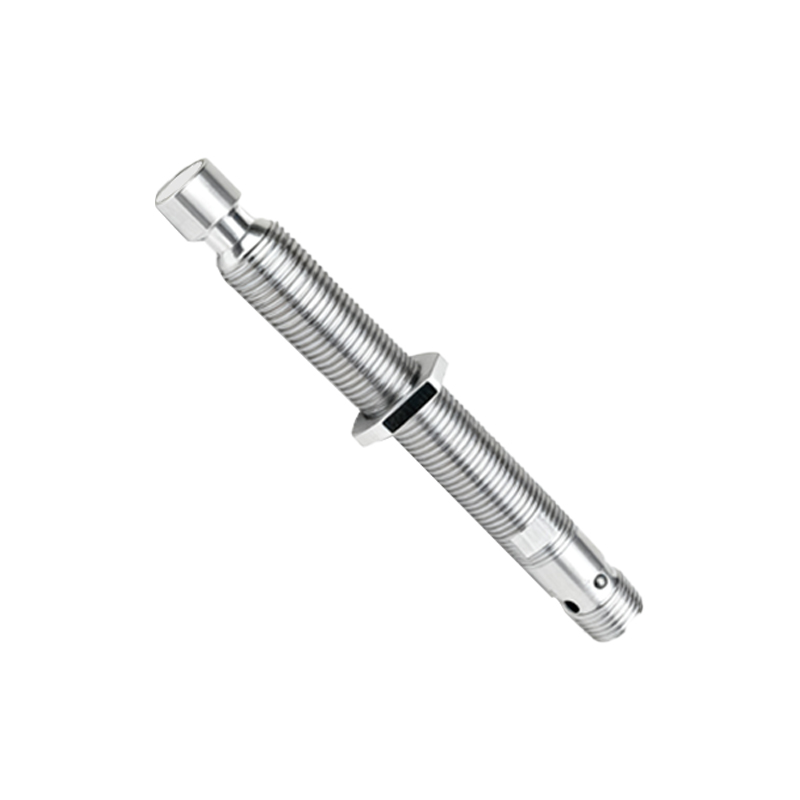
System integration errors often exacerbate false triggering. Incompatible wiring, voltage fluctuations, or PLC programming flaws can create ghost signals. For example, shared power supplies with high inrush loads might cause voltage dips, tricking sensors into resetting or sending false positives. Implementing dedicated circuits, surge protectors, and delay timers in control logic can buffer transient effects. Diagnostic tools like oscilloscopes or sensor simulators help identify intermittent issues during troubleshooting.
Advanced solutions involve leveraging smart sensor technologies. Modern proximity sensors with IO-Link or analog outputs provide diagnostic data, such as signal strength or temperature readings, enabling predictive maintenance. Some models feature adaptive algorithms that filter out background noise or learn environmental patterns. In critical applications, redundancy—using dual sensors in a voting configuration—can cross-verify signals and prevent false triggers from causing machine stops.
Ultimately, preventing false triggering requires a holistic approach: careful sensor selection, proper installation, environmental control, and ongoing monitoring. By addressing these factors, engineers can enhance the resilience of automation systems, minimize unplanned stoppages, and optimize productivity in demanding industrial settings.