In the rapidly evolving landscape of industrial automation and smart manufacturing, diffuse reflective proximity sensors have become indispensable components. These sensors, which detect objects by emitting light and measuring the reflection from the target surface, are prized for their versatility, reliability, and non-contact operation. As demand grows across sectors such as automotive, packaging, material handling, and robotics, several companies have emerged as leaders in designing and manufacturing high-performance diffuse reflective proximity sensors. This article explores key players, technological advancements, and industry applications shaping this dynamic field.
One of the foremost companies in this domain is Sick AG, a German-based sensor manufacturer renowned for its innovation and precision engineering. Sick’s diffuse reflective sensors, such as the WTT series, offer exceptional detection ranges and robust housing suitable for harsh environments. These sensors incorporate advanced features like background suppression and adjustable sensitivity, enabling accurate object detection even on reflective or uneven surfaces. Sick’s commitment to research and development ensures that its products meet stringent industry standards, making them a preferred choice for automotive assembly lines and logistics automation.
Another major player is Omron Corporation, a Japanese electronics giant with a strong foothold in industrial automation. Omron’s E3Z series of diffuse reflective sensors exemplifies the company’s focus on miniaturization and energy efficiency. These compact sensors provide stable detection with minimal power consumption, ideal for space-constrained applications in consumer electronics and pharmaceutical manufacturing. Omron integrates smart diagnostics and IO-Link communication capabilities into its sensors, facilitating predictive maintenance and seamless integration with Industry 4.0 systems.
Balluff GmbH, a German specialist in sensor technology, also stands out for its high-quality diffuse reflective proximity sensors. Balluff’s BOS series features durable designs with IP67 and IP69K ratings, ensuring resistance to dust, water, and chemical exposure. These sensors are widely used in food and beverage processing, where hygiene and washdown compatibility are critical. Balluff emphasizes customization, offering variants with specific beam patterns and response times to match unique customer needs in packaging machinery and robotic guidance systems.
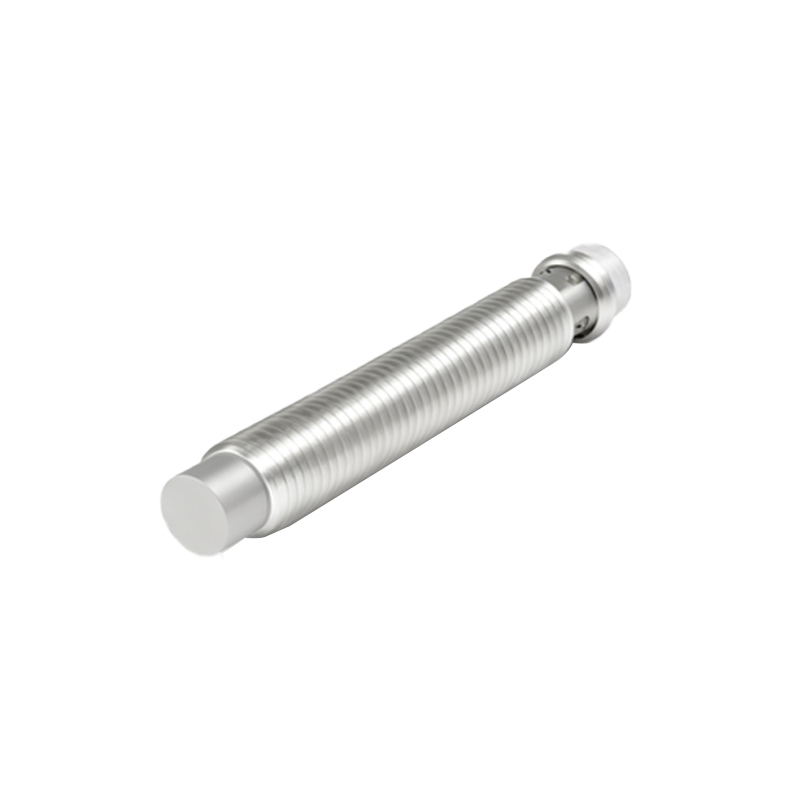
Technological advancements in diffuse reflective sensors are driving their adoption across diverse industries. Modern sensors now incorporate LED-based illumination with multiple wavelengths, including infrared, red, and laser options, to enhance detection accuracy for various materials and colors. Innovations like background suppression technology allow sensors to ignore distant objects or reflective backgrounds, reducing false triggers in complex environments. Additionally, the integration of digital interfaces (e.g., IO-Link, Ethernet/IP) enables real-time data exchange, remote configuration, and diagnostics, aligning with smart factory initiatives.
In the automotive sector, diffuse reflective sensors play a vital role in assembly line automation, where they detect components, verify placements, and monitor conveyor systems. For instance, sensors from Keyence Corporation—a Japanese leader in factory automation—provide ultra-fast response times and high-resolution detection, ensuring precision in welding and painting processes. Keyence’s PX series sensors offer teach-in functionality, allowing easy setup without manual calibration, which boosts productivity in high-volume manufacturing.
The packaging industry relies heavily on these sensors for tasks such as label verification, fill-level control, and carton counting. Companies like Pepperl+Fuchs, a German sensor and explosion protection expert, deliver diffuse reflective sensors with robust housings and high switching frequencies. Their ML series sensors excel in detecting transparent films, glossy packages, and irregularly shaped items, minimizing downtime in fast-paced production lines. Pepperl+Fuchs also emphasizes safety, offering ATEX-certified sensors for hazardous areas in chemical and pharmaceutical plants.
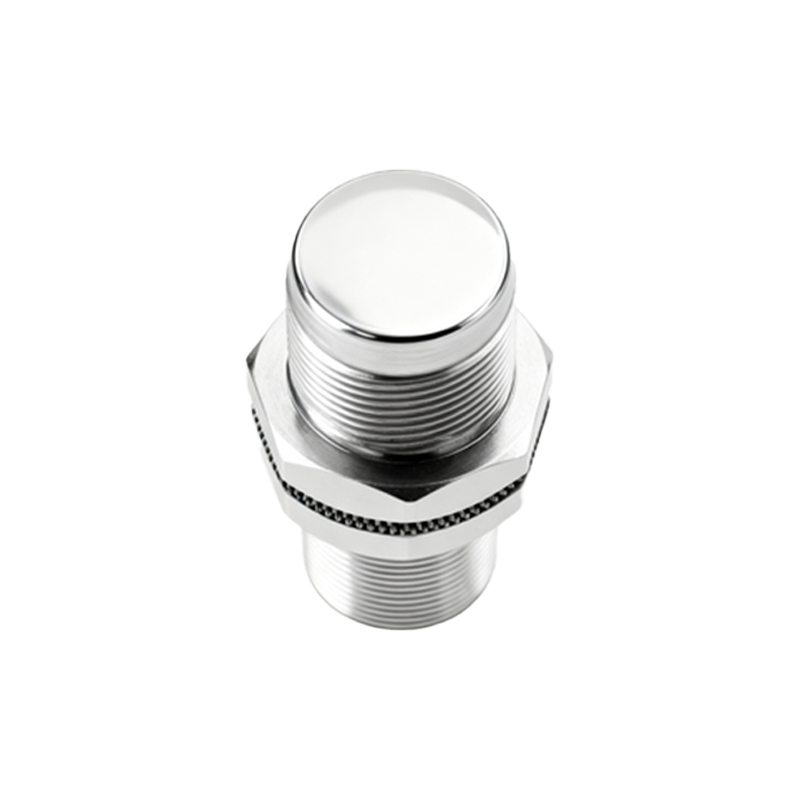
Emerging trends include the development of miniature sensors for medical devices and wearable technology, as well as energy-harvesting sensors for IoT applications. Environmental sustainability is another focus, with companies like ifm electronic designing sensors with recyclable materials and low-power modes. ifm’s O5 series combines diffuse reflective sensing with proximity detection in a single unit, providing multifunctional solutions for material handling and mobile machinery.
Despite the progress, challenges persist, such as ensuring reliable detection on low-reflectivity surfaces (e.g., black rubber) or in extreme temperatures. Leading companies address these issues through adaptive algorithms, temperature compensation, and hybrid sensing technologies. For example, Turck GmbH offers sensors with teach-in modes and potentiometer adjustments, enabling users to fine-tune performance for specific materials and environmental conditions.
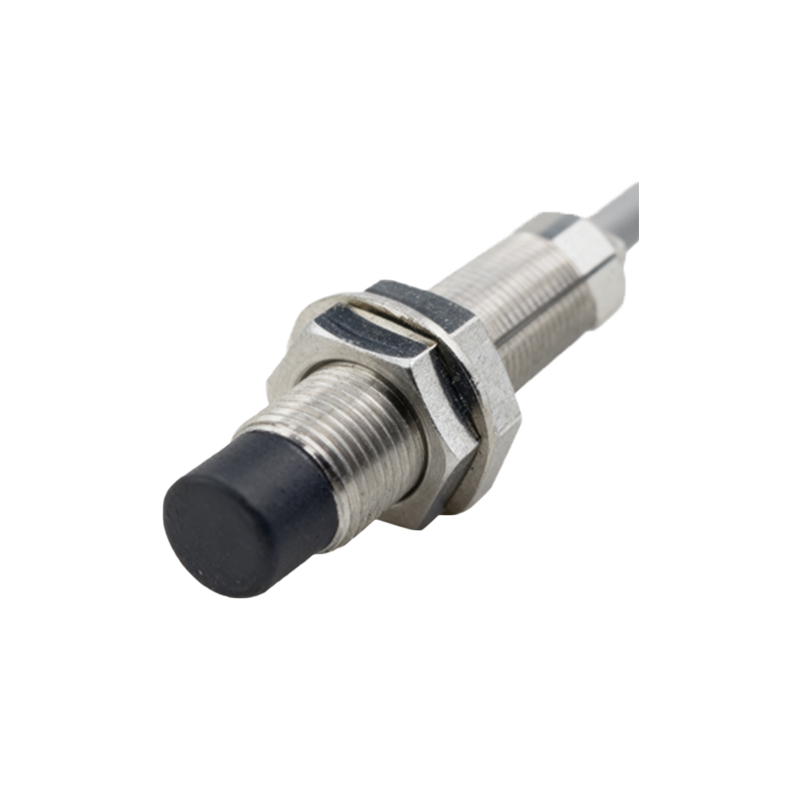
In conclusion, the diffuse reflective proximity sensor market is characterized by continuous innovation and intense competition among established players. Companies like Sick, Omron, Balluff, Keyence, and Pepperl+Fuchs are at the forefront, driving advancements in accuracy, durability, and connectivity. As industries embrace automation and digital transformation, these sensors will remain critical