Proximity sensors are indispensable components in modern industrial automation, robotics, and safety systems. They detect the presence or absence of objects without physical contact, offering reliability, longevity, and precision. As an electrical engineer, understanding the diverse methodologies behind proximity sensing is crucial for selecting the right technology for specific applications. This article delves into the primary proximity sensing methods, their operating principles, advantages, and typical use cases.
Inductive Proximity Sensors are among the most common types, primarily used for detecting metallic objects. They operate based on the principle of electromagnetic induction. The sensor generates an oscillating electromagnetic field from its coil. When a metallic target enters this field, eddy currents are induced in the target, causing a change in the oscillation amplitude or frequency. This change is detected by the sensor's circuitry, triggering an output signal. Key advantages include high switching frequency, robustness in harsh environments (resistant to dust, dirt, and moisture), and insensitivity to non-metallic materials. They are extensively used in machine automation for position detection, counting metal parts, and as safety interlocks.
Capacitive Proximity Sensors can detect both metallic and non-metallic materials, including liquids, plastics, glass, and wood. Their operation relies on changes in capacitance. The sensor forms one plate of a capacitor, with the target object acting as the other plate. As the target approaches, the capacitance between the sensor and the target increases. An internal oscillator starts oscillating when this capacitance reaches a threshold, triggering the output. These sensors are ideal for level detection of liquids or granular materials, presence detection of non-metallic objects, and applications where material composition varies. However, they can be more susceptible to environmental factors like humidity.
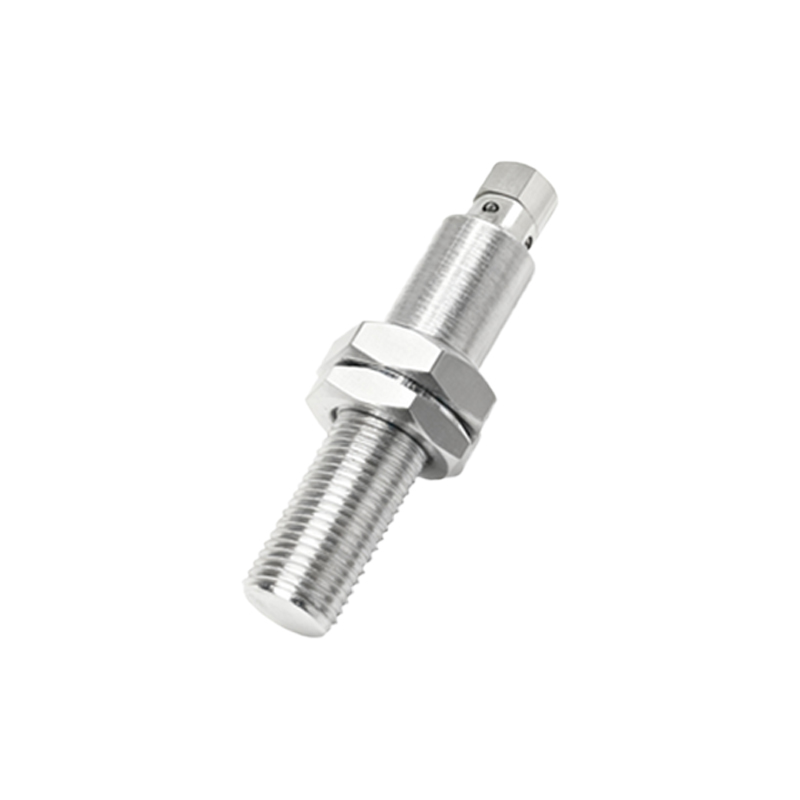
Ultrasonic Proximity Sensors utilize sound waves beyond the human hearing range (typically 20 kHz to several hundred kHz). They emit ultrasonic pulses and measure the time taken for the echo to return after reflecting off a target object. The time-of-flight calculation determines the distance to the object. This method allows for precise distance measurement and can detect objects regardless of their material, color, or transparency. Common applications include parking assistance systems, liquid level sensing in tanks, and object detection on conveyor belts. Limitations include potential interference from acoustic noise, temperature variations affecting sound speed, and specular reflections from angled surfaces.
Magnetic Proximity Sensors detect the presence of a permanent magnet. They often use reed switches or Hall-effect sensors. A reed switch consists of two ferromagnetic reeds sealed in a glass tube. When a magnet approaches, the reeds magnetize and attract each other, closing the contact. Hall-effect sensors generate a voltage (Hall voltage) when a magnetic field is applied perpendicular to a current-carrying conductor. Magnetic sensors are highly reliable, consume very little power, and can operate through non-magnetic barriers like plastic or aluminum. They are widely used in door/window position sensing in security systems, speed sensing in automotive applications (e.g., detecting wheel rotation), and as limit switches.
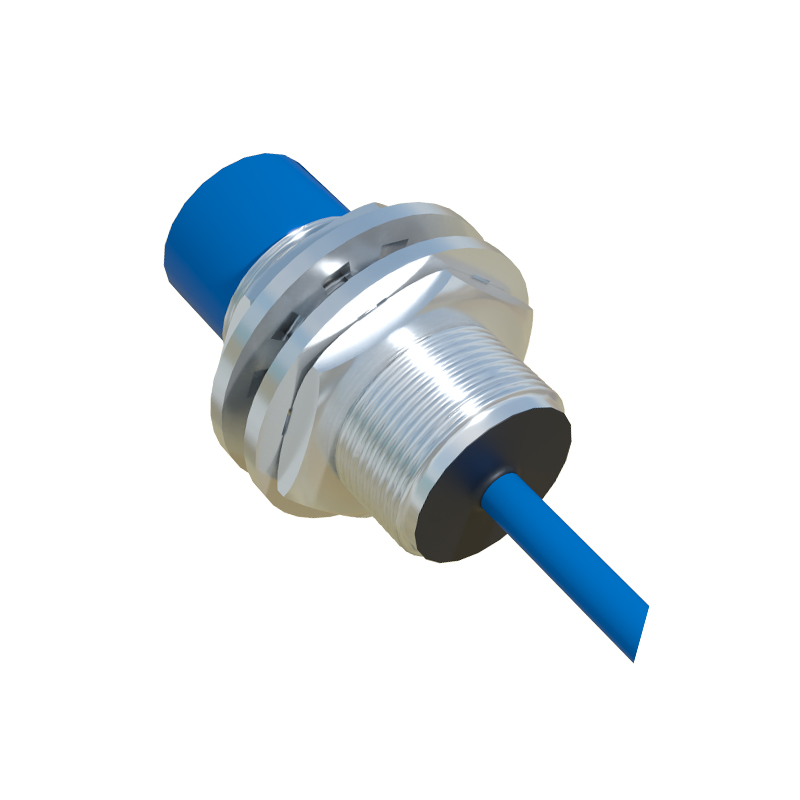
Optical Proximity Sensors, often called photoelectric sensors, use light beams to detect objects. They consist of a light emitter (usually LED or laser) and a receiver. There are three main configurations: through-beam (separate emitter and receiver), retro-reflective (emitter and receiver in one unit with a reflector), and diffuse (emitter and receiver in one unit, detecting light reflected directly from the target). The interruption or reflection of the light beam indicates an object's presence. They offer long sensing ranges, fast response times, and can detect small objects. However, their performance can be affected by environmental conditions like fog, dust, or ambient light. Applications include object counting, bottle detection on filling lines, and paper detection in printers.
Selection criteria for the appropriate proximity sensing method depend on several factors: target material (metallic/non-metallic), required sensing distance, environmental conditions (temperature, contaminants), response speed, output type (digital/analog), and cost. Inductive sensors excel with metals in dirty environments. Capacitive sensors handle diverse materials but require calibration. Ultrasonic sensors provide distance data but may be slower. Magnetic sensors are perfect for simple, low-power magnet detection. Optical sensors offer versatility and range but need a clear line of sight.
The evolution of proximity sensing continues with advancements in sensor fusion, IoT integration, and miniaturization. Engineers must stay abreast of these developments to design more efficient, intelligent, and interconnected systems. A thorough grasp of these fundamental methods forms the bedrock of effective sensor selection and system design in electrical engineering projects across manufacturing, automotive, aerospace, and consumer electronics sectors.