In industrial automation and machinery design, proximity sensors play a critical role in non-contact detection of objects. However, their effectiveness is heavily dependent on proper mounting and alignment. This is where proximity sensor mounting profiles, also known as sensor brackets or carriers, become indispensable components. These specialized extruded aluminum or stainless-steel profiles are engineered to provide a secure, precise, and adaptable mounting solution for a wide array of inductive, capacitive, and photoelectric sensors.
The primary function of a mounting profile is to hold the sensor body firmly in place, protecting it from vibration, shock, and accidental impacts common in harsh industrial environments. Standardized profiles, such as those conforming to common form factors like 18mm or 30mm cylindrical sensors, ensure interchangeability and simplify inventory management. The design typically features a longitudinal slot and a series of tapped holes or a T-slot channel. This allows for infinite adjustability along the profile's length, enabling fine-tuning of the sensor's position for optimal sensing range and alignment with the target. Once the ideal position is found, locking screws or clamping mechanisms secure the sensor, preventing any drift during operation.
Beyond basic holding, advanced mounting profiles offer enhanced functionality. Many are designed with built-in mounting flanges or pre-drilled holes for easy attachment to machine frames, robotic arms, or conveyor systems. Some profiles incorporate protective features like shrouds or lips that shield the sensor's sensing face from physical damage or accumulation of debris, dust, and coolant—a crucial consideration in machining, packaging, or foundry applications. For applications requiring multiple sensors in close proximity, multi-sensor mounting profiles or rail systems allow for the neat and organized arrangement of several units on a single, rigid backbone, saving space and simplifying wiring management.
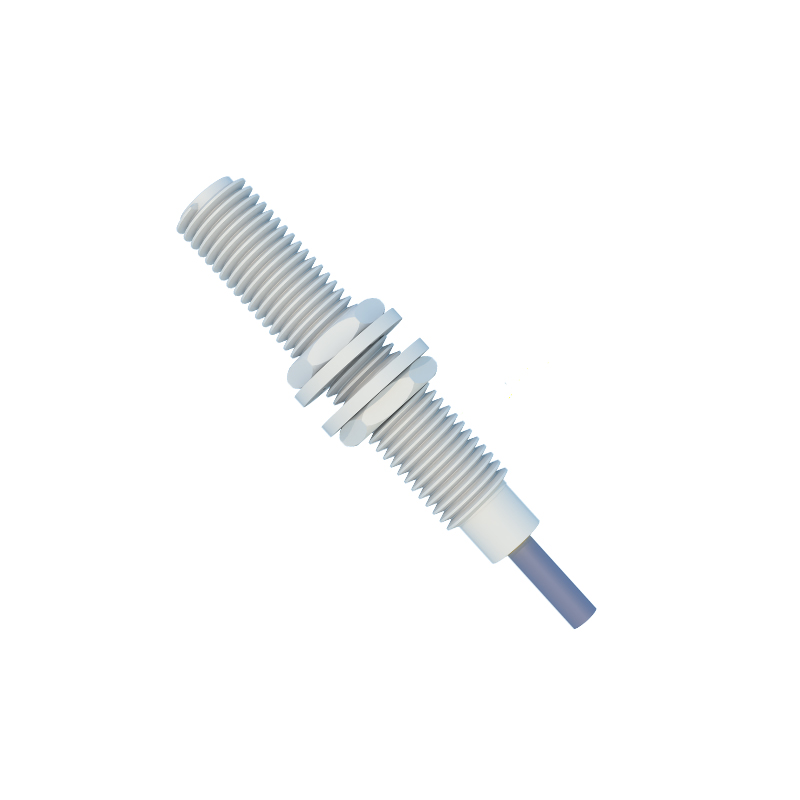
Material selection is paramount. Aluminum profiles, often anodized, offer an excellent balance of strength, lightweight properties, and corrosion resistance for general factory use. For highly corrosive environments—such as food processing, chemical plants, or marine applications—stainless steel (e.g., 304 or 316 grade) profiles are the standard choice. Engineers must also consider the profile's mechanical specifications, including its load-bearing capacity, temperature rating, and resistance to specific chemicals present in the operating environment.
The integration of mounting profiles into a machine design follows a systematic approach. First, the sensor type and model are selected based on the detection task. Next, a compatible mounting profile is chosen, considering the sensor's diameter, required adjustability, and environmental conditions. The profile is then mounted to the machine structure. The sensor is inserted into the profile's bore, positioned with micron-level precision, and finally locked. This process ensures repeatable and reliable installation, reducing commissioning time and minimizing errors compared to improvised mounting solutions.
In conclusion, proximity sensor mounting profiles are far more than simple brackets. They are precision-engineered subsystems that guarantee sensor performance, longevity, and reliability. By providing vibration resistance, precise adjustability, environmental protection, and standardized mounting, they form a foundational element in robust industrial automation design. Specifying the correct profile is as critical as selecting the sensor itself, directly impacting system uptime, maintenance costs, and overall operational safety. Investing in high-quality, application-appropriate mounting solutions is a best practice that pays dividends in the long-term reliability of any automated system.