Laser sensor modules have become integral components in various industrial applications, offering high precision, reliability, and efficiency. These modules utilize laser technology to detect, measure, or identify objects with exceptional accuracy. Typically, a laser sensor module consists of a laser emitter, a receiver, and signal processing electronics. The emitter projects a focused laser beam toward a target, while the receiver captures the reflected light. By analyzing the time-of-flight, phase shift, or intensity of the returned beam, the module can determine distance, position, thickness, or presence of objects.
In industrial automation, laser sensors are widely used for tasks such as object detection on conveyor belts, alignment in assembly lines, and quality control inspections. For example, in manufacturing, they ensure precise positioning of components, reducing errors and enhancing productivity. The non-contact nature of laser sensing minimizes wear and tear, making these modules durable and low-maintenance. Additionally, they perform well in challenging environments, including areas with dust, vibration, or extreme temperatures, thanks to robust designs and advanced filtering algorithms.
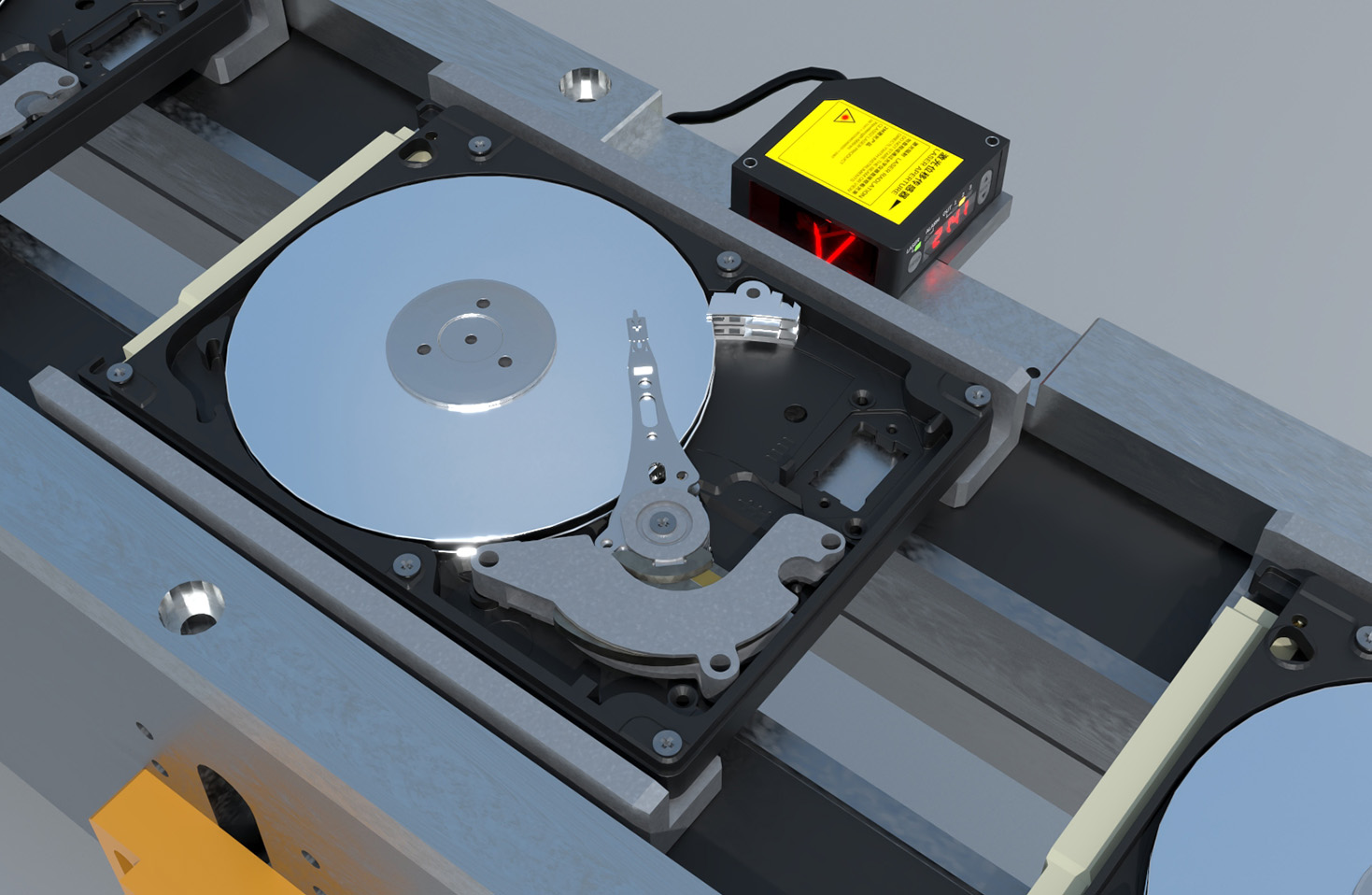
One key advantage of laser sensor modules is their versatility. They come in various types, such as diffuse reflective, retro-reflective, and through-beam sensors, each suited for specific scenarios. Diffuse sensors work by detecting light reflected directly from an object, ideal for short-range applications. Retro-reflective sensors use a reflector to bounce the beam back, suitable for medium distances. Through-beam sensors, with separate emitter and receiver units, offer the highest accuracy for long-range detection. This flexibility allows engineers to select the optimal module based on factors like range, resolution, and environmental conditions.
Recent advancements have further expanded the capabilities of laser sensor modules. Innovations like miniaturization, enhanced signal processing, and integration with IoT (Internet of Things) systems enable smarter, connected solutions. For instance, laser sensors can now transmit real-time data to cloud platforms for predictive maintenance and analytics, improving overall operational efficiency. In robotics, they facilitate precise navigation and object manipulation, while in automotive industries, they contribute to safety systems like collision avoidance.

Despite their benefits, implementing laser sensor modules requires careful consideration. Factors such as target material, surface reflectivity, and ambient light can affect performance. Engineers must calibrate sensors appropriately and choose models with features like background suppression or adjustable sensitivity to mitigate interference. Regular maintenance, including lens cleaning and alignment checks, ensures long-term reliability.
Looking ahead, the demand for laser sensor modules is expected to grow, driven by trends like Industry 4.0 and automation. As technology evolves, we may see even higher precision, faster response times, and greater integration with AI (Artificial Intelligence) for adaptive sensing. For professionals in electrical and industrial engineering, staying updated on these developments is crucial for leveraging laser sensors to optimize processes and innovate solutions.
In summary, laser sensor modules are powerful tools that enhance accuracy and efficiency across diverse sectors. By understanding their principles, types, and applications, engineers can effectively deploy them to solve complex challenges, from manufacturing to smart infrastructure. As industries continue to embrace automation, these modules will play a pivotal role in shaping the future of technology and production.