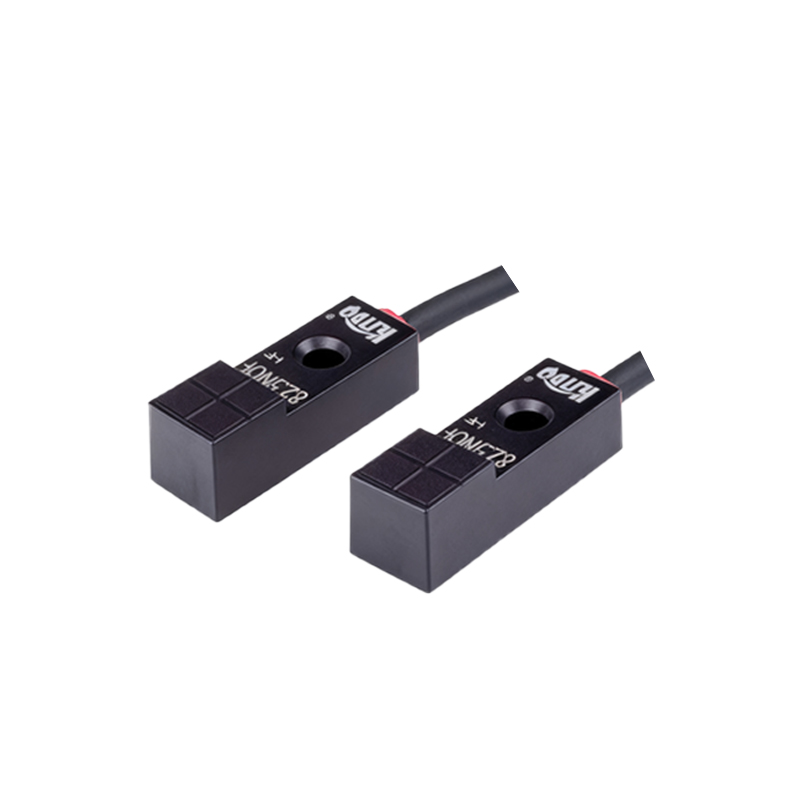
In the realm of industrial automation and control systems, photoelectric proximity sensors stand as indispensable components for non-contact detection, object counting, and position verification. Their ability to detect objects without physical contact makes them superior in applications demanding high reliability, speed, and minimal maintenance. Unlike inductive or capacitive sensors, which rely on electromagnetic fields or changes in capacitance, photoelectric sensors utilize light beams, typically infrared, visible red, or laser, to sense the presence, absence, or distance of an object.
The fundamental operating principle involves three key elements: an emitter (light source), a receiver (phototransistor or photodiode), and associated signal processing circuitry. The emitter projects a modulated light beam. When this beam is interrupted or reflected by a target object, the change in light intensity at the receiver is converted into an electrical signal, which is then processed to trigger a switch output. This core principle is implemented in several distinct sensing modes, each suited for specific challenges.
The primary sensing modes are through-beam, retro-reflective, and diffuse (proximity). Through-beam sensors, consisting of separate emitter and receiver units, offer the longest sensing ranges and highest reliability, as they detect the direct interruption of the beam. They are ideal for precise detection in harsh environments or for transparent objects. Retro-reflective sensors house both emitter and receiver in a single housing, relying on a reflector to bounce the beam back. They provide a good balance of range and ease of installation but can be fooled by shiny objects that reflect light directly. Diffuse or proximity sensors are the most common type for general-purpose proximity detection. Both emitter and receiver are in one unit, and they detect the light scattered back from the target object itself. Their sensing range is shortest and depends on the object's color, reflectivity, and surface texture, but they require no separate reflector, simplifying setup.
Modern photoelectric sensors incorporate advanced features to enhance performance. Background suppression technology allows the sensor to ignore objects beyond a set distance, crucial for detecting objects on a conveyor belt while ignoring the background. Fiber optic versions enable sensing in extremely tight spaces, high-temperature zones, or areas with high electromagnetic interference by using flexible light conduits. Laser sensors provide extremely small, precise spot sizes for detecting minute objects or precise edge detection. Furthermore, many models now feature programmable logic, teach-in functions for easy setup, and various output types (PNP/NPN, analog, IO-Link) for seamless integration into modern networked control systems like PLCs.
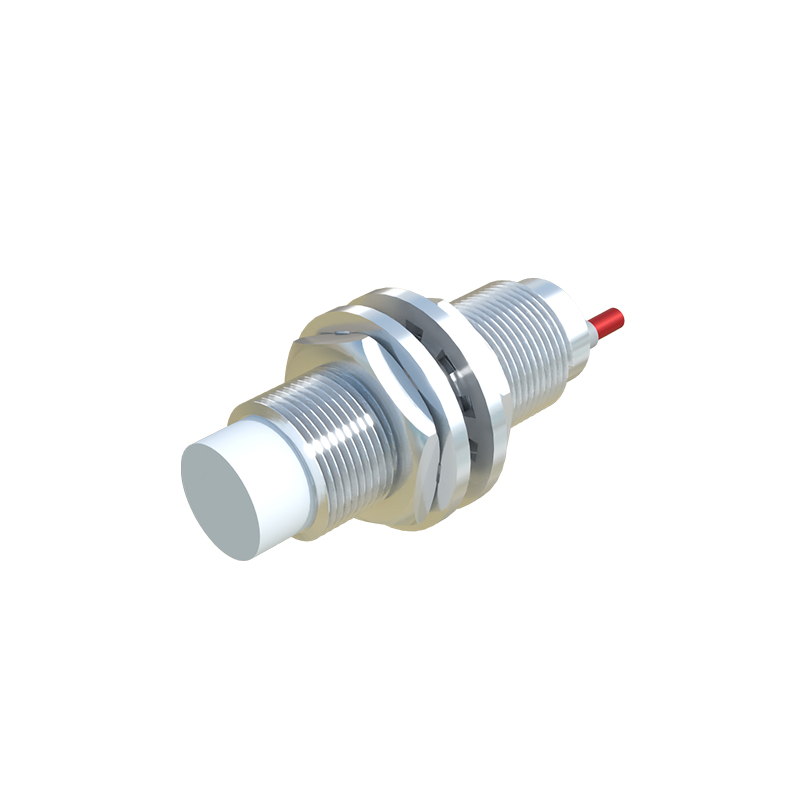
The applications of photoelectric proximity sensors are vast and cross-industrial. In packaging machinery, they count bottles, verify cap placement, and inspect label presence. On assembly lines, they confirm part presence for robotic pick-and-place operations. In material handling, they detect the position of pallets, boxes, or totes on conveyors. They are critical for safety, forming light curtains that halt machinery when breached. In the automotive industry, they ensure precise positioning of components during welding and assembly. Even in food and beverage processing, specialized hygienic models withstand washdowns while detecting products.
Selecting the right photoelectric sensor requires a careful analysis of the application parameters. Key factors include: Sensing Range: The required operating distance between the sensor and the target. Target Properties: Size, color, material (opaque, transparent, glossy), and surface finish dramatically affect performance, especially for diffuse sensors. Environmental Conditions: Exposure to dust, moisture, oil, chemicals, or temperature extremes dictates the required ingress protection (IP) rating, often needing IP67 or higher for industrial settings. Electrical Requirements: Supply voltage (e.g., 10-30V DC), output type (e.g., NPN sinking or PNP sourcing), and connection method (pre-wired cable or quick-disconnect). Response Time and Switching Frequency: The sensor must be fast enough to detect objects moving at the line speed. Finally, physical constraints like housing size (cylindrical or rectangular) and mounting options must be considered for proper installation.
Regular maintenance, though minimal, involves keeping the lens clean from dust and debris that could attenuate the light beam. Proper alignment is critical for through-beam and retro-reflective types. Understanding potential pitfalls, such as optical crosstalk from adjacent sensors or interference from ambient light (mitigated by using modulated light), is essential for robust system design.
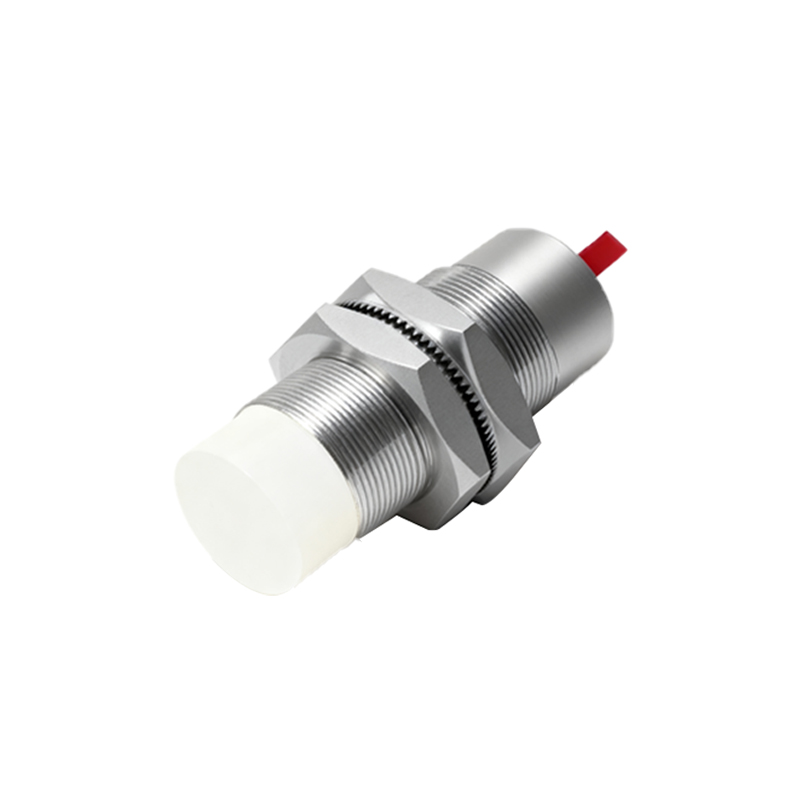
In conclusion, photoelectric proximity sensors are a versatile and powerful tool in the automation engineer's arsenal. Their non-contact nature, high speed, and adaptability to diverse sensing challenges make them a cornerstone of modern industrial efficiency and intelligence. A methodical approach to selection, based on a clear understanding of operating principles and application demands, ensures optimal performance and reliability in any automated system.