In the rapidly evolving landscape of industrial automation, proximity sensors have emerged as indispensable components, driving efficiency, safety, and innovation. The primary goal of promoting these devices extends beyond mere technological advancement; it encompasses a holistic approach to enhancing operational workflows, reducing costs, and fostering sustainable practices. Proximity sensors, which detect the presence or absence of objects without physical contact, are pivotal in modern manufacturing, logistics, and robotics. By leveraging technologies such as inductive, capacitive, ultrasonic, and photoelectric sensing, they enable precise control and monitoring in diverse environments, from harsh factory floors to clean rooms.
One key objective of promoting proximity sensors is to optimize production processes. In automated assembly lines, these sensors facilitate real-time object detection, ensuring seamless material handling and minimizing downtime. For instance, in automotive manufacturing, they verify part placement, trigger robotic actions, and prevent collisions, thereby boosting throughput and quality. By eliminating mechanical wear associated with contact-based switches, proximity sensors also reduce maintenance needs and extend equipment lifespan, leading to significant cost savings over time. Moreover, their ability to operate in extreme conditions—such as high temperatures, dust, or moisture—makes them reliable solutions for industries like mining, food processing, and pharmaceuticals.
Another critical purpose is enhancing workplace safety. Proximity sensors serve as essential safeguards in machinery by detecting human or object intrusions into hazardous zones. In compliance with global safety standards like ISO 13849, they help implement emergency stop systems and access control, preventing accidents and protecting personnel. This not only mitigates legal liabilities but also cultivates a culture of safety, which is vital for employee morale and corporate reputation. Additionally, in smart factories, these sensors contribute to predictive maintenance by monitoring equipment vibrations or alignment, alerting operators to potential failures before they escalate into costly breakdowns.
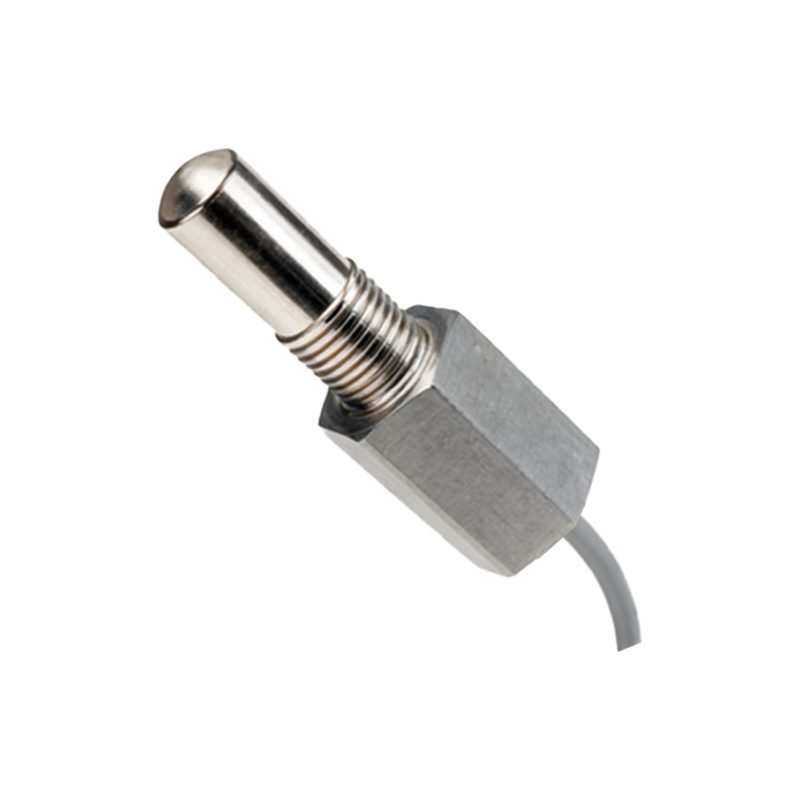
Promoting proximity sensors also aligns with the push toward Industry 4.0 and the Internet of Things (IoT). These sensors act as data acquisition points, feeding information into centralized control systems for analytics and decision-making. By integrating with PLCs (Programmable Logic Controllers) and SCADA (Supervisory Control and Data Acquisition) systems, they enable adaptive manufacturing, where processes self-adjust based on real-time inputs. This connectivity supports lean manufacturing principles, reducing waste and energy consumption. For example, in packaging lines, sensors can adjust conveyor speeds based on product flow, optimizing resource use. Furthermore, as industries strive for sustainability, proximity sensors aid in monitoring environmental parameters, such as fluid levels or emissions, supporting eco-friendly initiatives.
The economic rationale for promoting these devices is compelling. By improving accuracy and repeatability, proximity sensors minimize errors and rework, directly impacting bottom lines. They are cost-effective to install and scale, making them accessible to small and medium enterprises seeking to automate. Educational campaigns and technical training on sensor selection and integration are crucial to demystify their applications, encouraging adoption across sectors. Case studies from leading companies demonstrate ROI through increased productivity—often by 20% or more—highlighting their value proposition.
In summary, the purpose of promoting proximity sensors is multifaceted: to drive operational excellence, ensure safety, enable digital transformation, and achieve economic and environmental benefits. As technology advances, with developments in miniaturization and wireless sensing, their role will only expand, making continued advocacy essential for industrial progress. Engineers and stakeholders must collaborate to standardize implementations and share best practices, ensuring that proximity sensors remain at the forefront of automation solutions.