In the realm of industrial automation, the metal proximity switch stands as a critical component, enabling non-contact detection and control in countless applications. A specialized factory dedicated to manufacturing these sensors operates at the intersection of precision engineering, advanced materials science, and rigorous quality control. The journey begins with the core sensing technology. For inductive proximity sensors designed to detect metals, the heart is a coil wound around a ferrite core, which generates a high-frequency electromagnetic field. The factory's production line for this component is a showcase of automation, with winding machines executing precise turns to create coils with specific inductance values, directly impacting the sensor's switching distance and sensitivity.
The housing, typically crafted from robust materials like nickel-plated brass, stainless steel, or specialized polymers for certain models, is machined to exact tolerances. This shell must provide IP67 or higher ingress protection, safeguarding the internal electronics from dust, coolants, and high-pressure washdowns common in industrial environments. The assembly process integrates the coil oscillator circuit, signal amplifier, and output switching unit—often a solid-state transistor for NPN or PNP configurations. Laser welding and hermetic sealing techniques are employed to ensure the complete assembly is vibration-proof and hermetically sealed, guaranteeing long-term reliability.
Calibration and testing form the most critical phase. Each sensor undergoes automated testing where it is subjected to precise metal targets at its rated sensing distance. Parameters like switching frequency, repeat accuracy, hysteresis, and temperature drift are meticulously logged. High-end factories utilize environmental chambers to simulate extreme conditions, from sub-zero temperatures to elevated heat, ensuring performance adheres to specifications. For factories producing analog or IO-Link enabled smart sensors, firmware programming and digital parameterization add another layer of complexity to the final testing regimen.
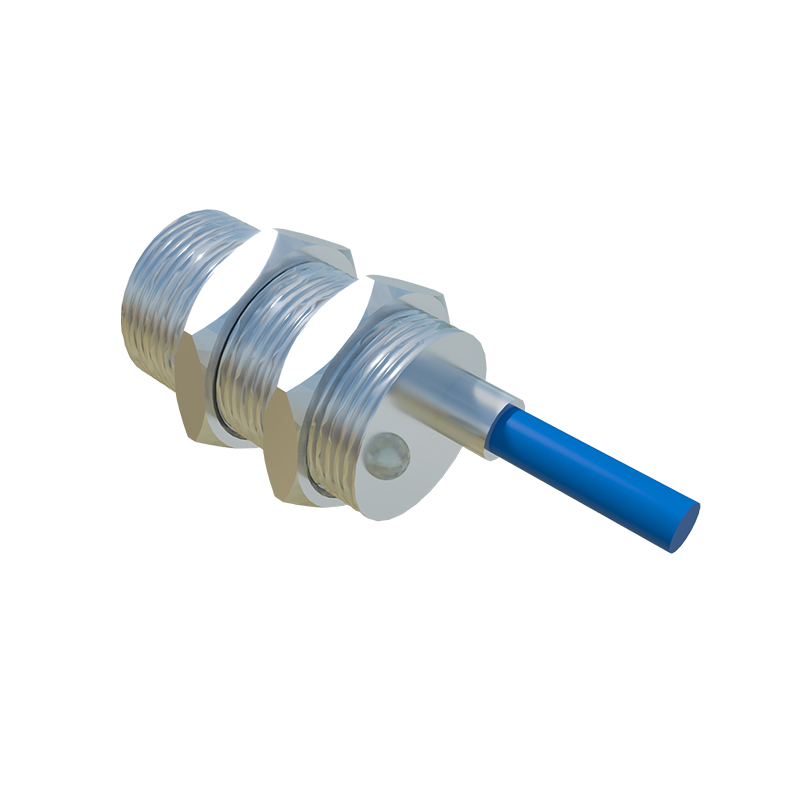
The final stages involve labeling, packaging, and traceability. Each sensor is marked with its key specifications: operating voltage, output type, sensing distance, and part number. Modern factories implement sophisticated Manufacturing Execution Systems (MES) that track every component and test result for each unit, enabling full lifecycle traceability. This is paramount for industries like automotive or food and beverage, where documentation and quality assurance are as crucial as the product itself. The output is a component of remarkable durability and consistency, ready to be integrated into machinery for position sensing, end-of-travel detection, or counting tasks on high-speed production lines. The operation of such a factory is a testament to the unsung precision that underpins modern automated manufacturing.