In the realm of industrial automation and control systems, the 12V proximity sensor stands as a fundamental component, enabling non-contact detection of objects with precision and reliability. These sensors operate on a 12-volt DC power supply, a common standard in many automotive, manufacturing, and machinery environments due to its balance of safety and sufficient power for robust operation. Unlike mechanical switches, proximity sensors detect the presence or absence of a target without physical contact, thereby reducing wear and tear and enhancing system longevity.
The core technology behind most 12V proximity sensors is based on electromagnetic fields or capacitive sensing. Inductive proximity sensors, for instance, generate an oscillating electromagnetic field. When a metallic object enters this field, it induces eddy currents, causing a change in the sensor's oscillation amplitude. This change is detected by the internal circuitry, which then triggers a switching output. These sensors are ideal for detecting metals such as steel, aluminum, or copper, and are widely used in applications like conveyor belt monitoring, machine tool positioning, and robotic assembly lines.
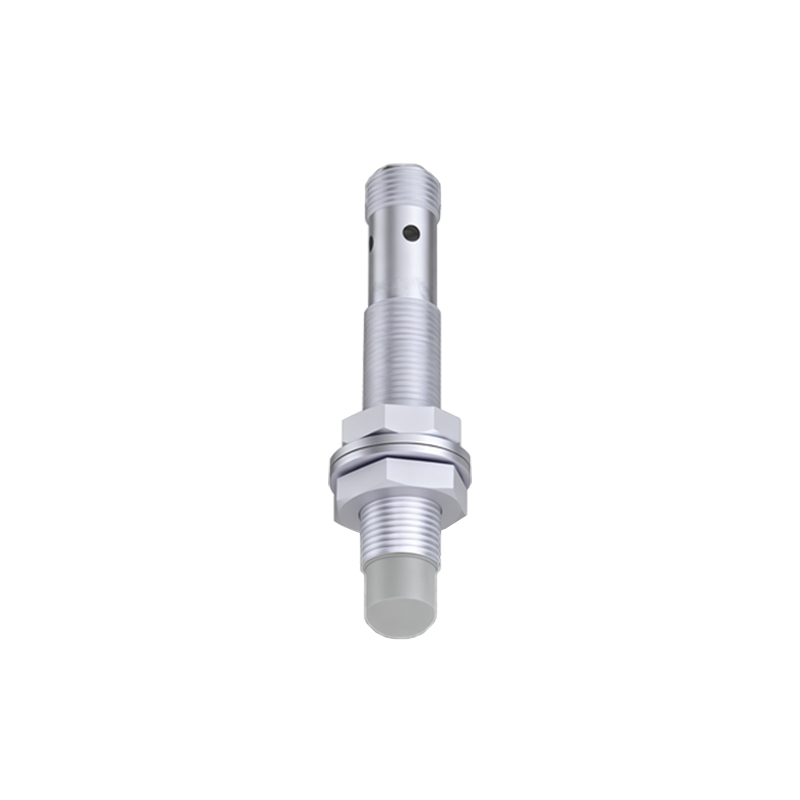
Capacitive proximity sensors, on the other hand, can detect both metallic and non-metallic materials, including liquids, plastics, and wood. They work by measuring changes in capacitance between the sensor and the target object. When an object approaches the sensor's active surface, it alters the dielectric constant of the surrounding space, leading to a detectable shift in capacitance. This makes capacitive sensors versatile for tasks like liquid level detection, material handling, and packaging systems.
A key advantage of 12V proximity sensors is their compatibility with standard industrial control voltages. Many Programmable Logic Controllers (PLCs), relays, and microcontrollers operate on 12V DC, simplifying integration and reducing the need for additional power conversion components. These sensors typically feature outputs in configurations such as NPN (sinking) or PNP (sourcing), allowing flexibility in interfacing with different control systems. The choice between NPN and PNP depends on the circuit design and the type of load being controlled.
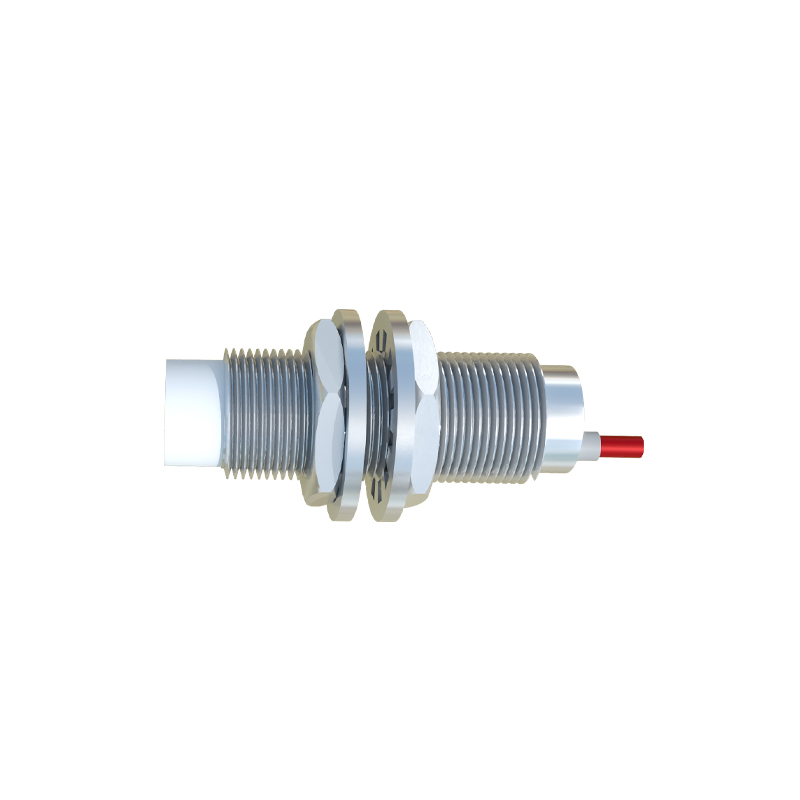
When selecting a 12V proximity sensor, several factors must be considered to ensure optimal performance. Sensing range, which defines the maximum distance at which the sensor can reliably detect an object, is critical and varies by model and target material. Environmental conditions also play a significant role; sensors are rated with Ingress Protection (IP) codes to indicate resistance to dust and moisture. For harsh industrial settings, sensors with high IP ratings (e.g., IP67 or IP68) are recommended to withstand exposure to coolants, oils, and vibrations.
Installation and wiring are straightforward but require attention to detail. Proper mounting, alignment, and shielding from electromagnetic interference are essential to avoid false triggers or reduced sensitivity. Most 12V proximity sensors come with LED indicators to provide visual feedback on their operational status, aiding in troubleshooting and maintenance. Regular calibration and testing are advised to maintain accuracy, especially in high-cycle applications where sensors may be activated thousands of times per hour.
In practice, 12V proximity sensors contribute to enhanced safety and efficiency. For example, in automated machinery, they can prevent collisions by detecting the position of moving parts, or in quality control, they can verify the presence of components on an assembly line. Their durability and low maintenance needs make them a cost-effective solution for long-term operations.
As Industry 4.0 advances, smart 12V proximity sensors with integrated diagnostics and communication protocols (like IO-Link) are becoming more prevalent. These sensors not only detect objects but also transmit data on their health and performance, enabling predictive maintenance and reducing downtime. This evolution underscores the ongoing importance of proximity sensing in modern industrial ecosystems.
In summary, 12V proximity sensors are indispensable tools in automation, offering reliable, non-contact detection across diverse applications. By understanding their principles, types, and selection criteria, engineers and technicians can leverage these devices to build more efficient, safe, and intelligent systems.