In the intricate ballet of modern automotive engineering, where countless components work in harmony, a class of silent, unassuming sentinels plays a pivotal role in safety, convenience, and functionality. These are automotive proximity switch sensors, the electronic eyes and feelers that have become indispensable in today's vehicles. Far from being a single, simple device, this term encompasses a family of sensors that detect the presence or absence of nearby objects without any physical contact, triggering a cascade of actions that enhance the driving experience.
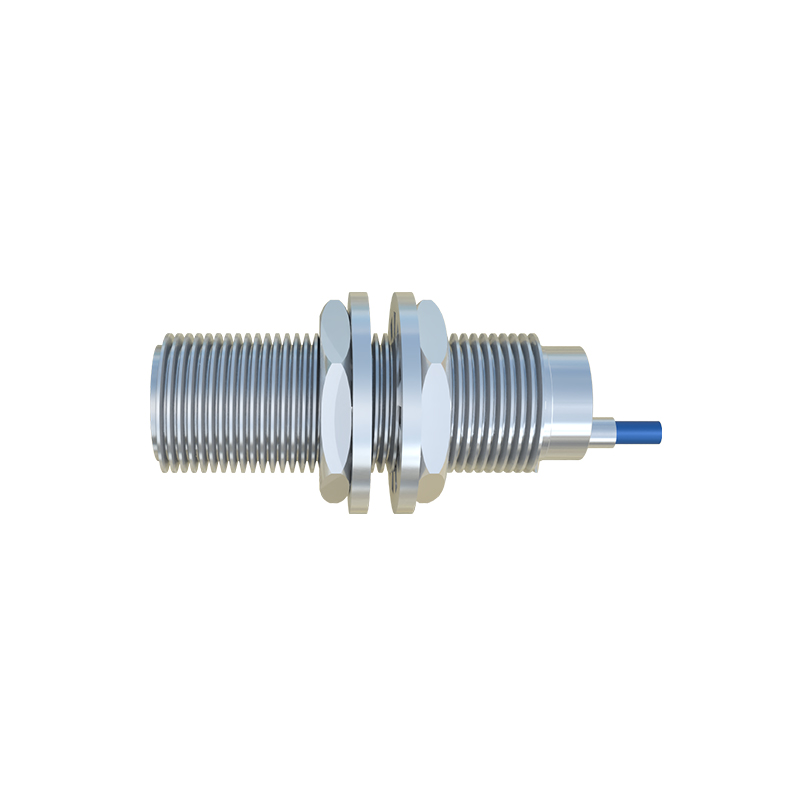
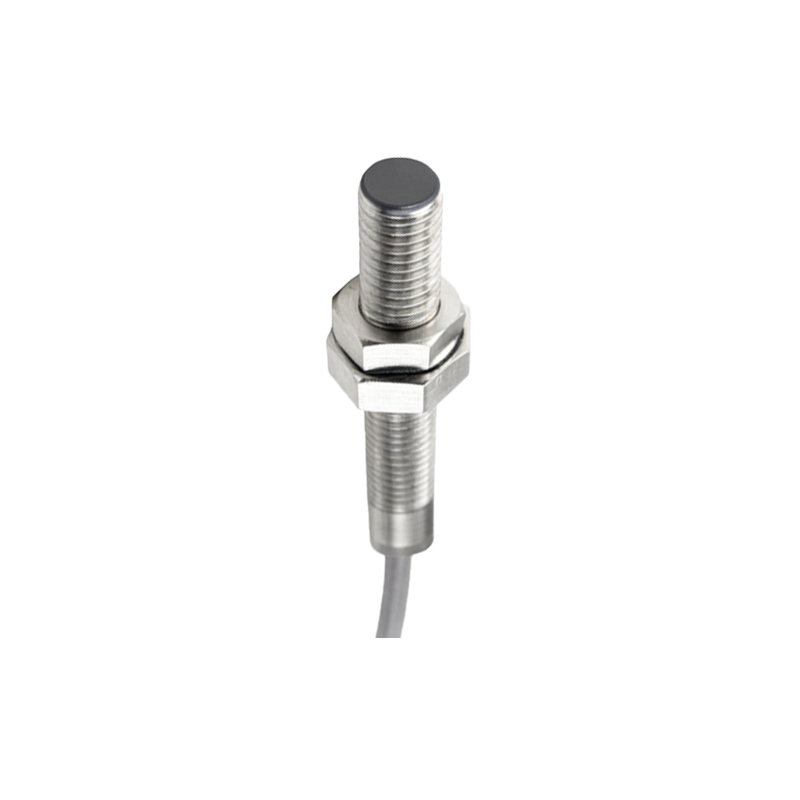
The fundamental principle behind these sensors is elegantly simple: they emit a field or a beam of energy and analyze the changes in the return signal. The most common types found in vehicles are inductive, capacitive, and ultrasonic sensors. Inductive sensors are the workhorses for detecting metallic objects. They generate an electromagnetic field, and when a metal object like a gear tooth or a camshaft lobe enters this field, it induces eddy currents, which the sensor detects. This makes them perfect for critical engine management tasks, such as measuring crankshaft position and speed, which is essential for precise fuel injection and ignition timing. A failure here could mean the engine simply won't run correctly.
Capacitive sensors, on the other hand, can detect both metallic and non-metallic objects—liquids, plastics, or human hands—by sensing changes in capacitance. This versatility finds application in areas like liquid level sensing in reservoirs (e.g., washer fluid, coolant) and, most notably, in touch-sensitive controls for infotainment systems or interior lighting. Ultrasonic sensors are the stars of parking assistance systems. They emit high-frequency sound waves and measure the time it takes for the echo to return. By calculating this time-of-flight, the vehicle's computer can accurately determine the distance to an obstacle, providing the audible beeps that guide a driver into a tight parking spot. Modern systems use an array of these sensors to create a detailed map of the vehicle's immediate surroundings.
The applications of proximity sensors are woven throughout the vehicle's architecture. Start with the basics: keyless entry and push-button start systems. A capacitive sensor in the door handle detects the touch of a hand, waking up the system to search for the key fob's radio signal. Under the hood, they monitor rotational speeds and positions, feeding vital data to the Engine Control Unit (ECU). In transmission systems, they ensure smooth gear shifts by providing precise input on selector lever position.
Perhaps the most visible and appreciated application is in Advanced Driver-Assistance Systems (ADAS). Proximity sensors form the foundational layer for features like Blind Spot Detection (BSD), where radar or ultrasonic sensors monitor the areas alongside and behind the vehicle, alerting the driver to vehicles in adjacent lanes. Cross-Traffic Alert systems, which warn of approaching vehicles when reversing out of a parking space, rely on the same technology. These features are no longer luxuries; they are becoming standard equipment, actively working to prevent collisions.
Looking forward, the role of proximity sensors is set to expand exponentially with the advent of autonomous driving. While cameras and LiDAR (Light Detection and Ranging) get most of the attention for long-range perception, robust short-range detection provided by ultrasonic and improved radar sensors will remain crucial for low-speed maneuvering, parking, and understanding the vehicle's immediate "personal space" in complex urban environments. They will act as a fail-safe network, providing redundant data to ensure the vehicle's awareness is absolute.
However, this reliance on electronics introduces new challenges. These sensors must operate flawlessly in extreme conditions: from the blistering heat of an engine bay to the freezing cold of a winter road, all while being bombarded with vibration, electromagnetic interference, and contamination from dirt, salt, or ice. Automotive engineers face the constant challenge of packaging these sensitive electronic components in robust housings and developing sophisticated software algorithms to filter out false signals—like a sensor mistaking slush for a solid obstacle.
In conclusion, automotive proximity switch sensors are the unsung heroes of vehicle electronics. They perform critical, often invisible functions that range from ensuring the engine fires correctly to preventing a fender bender in a crowded lot. As vehicles evolve into increasingly connected and automated platforms, the demand for more advanced, reliable, and cost-effective proximity sensing will only grow. These silent guardians will continue to be a cornerstone of automotive innovation, making our vehicles not just smarter, but fundamentally safer and more intuitive to use.