In the realm of high-precision industrial measurement, German engineering has long set the benchmark for accuracy, reliability, and innovation. Among the leaders in this specialized field stands Micro-Epsilon, a company whose name has become synonymous with cutting-edge sensor technology. Their laser displacement sensors represent a pinnacle of optoelectronic measurement, offering solutions for challenges where micron-level precision is not just desired but required. This article delves into the core principles, technological advancements, and diverse applications of Micro-Epsilon's laser displacement sensors, highlighting why they are a preferred choice for engineers across the globe.
The fundamental operating principle of these sensors is based on the optical triangulation method. A laser diode projects a visible or invisible spot onto the target surface. The reflected light is imaged onto a position-sensitive detector (PSD) or, in more advanced models, a CMOS/CCD array. Any change in the distance to the target causes a shift in the position of the light spot on the detector. This shift is analyzed by sophisticated onboard electronics, which calculate the exact displacement value with exceptional speed and precision. Micro-Epsilon has refined this principle through proprietary optics, advanced algorithms, and robust signal processing, enabling measurements on a vast array of surfaces—from shiny metals and transparent glass to hot, dark, or even liquid surfaces.
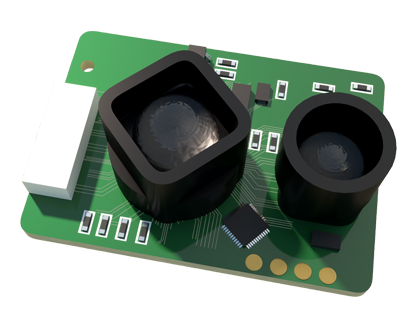
Technological differentiation is a key strength. Micro-Epsilon offers a wide portfolio, from compact, cost-effective OEM sensors to high-end models with sub-micrometer resolution. The scanCONTROL series, for instance, are laser line scanners that capture entire 2D/3D profiles at high speeds, ideal for inspecting contours, gaps, and steps. The optoNCDT series comprises classic point sensors renowned for their outstanding linearity and stability, even in harsh environments. Innovations like HD technology enhance performance on difficult surfaces by using a special CMOS matrix and intelligent evaluation algorithms to deliver stable measurements regardless of surface color, texture, or material.
A critical advantage lies in their performance specifications. These sensors boast measurement ranges from a few millimeters to several meters, with resolutions down to 0.01 µm and sampling rates reaching into the hundreds of kilohertz. This combination allows for both static gap measurements and dynamic analysis of vibration or runout. High-quality housing designs, often with IP67 protection ratings, ensure reliable operation in industrial settings with dust, moisture, and electromagnetic interference. Integrated interfaces like Ethernet, EtherCAT, analog outputs, and digital I/Os facilitate seamless integration into modern automation and quality control systems.
The application spectrum is extraordinarily broad. In automotive manufacturing, these sensors measure body panel gaps, inspect weld seams, and control robot positioning. In the semiconductor and electronics industry, they ensure the flatness of wafers, the coplanarity of BGA balls, and the thickness of coatings. Within aerospace, they are used for blade tip clearance monitoring and composite material inspection. Further applications include precision thickness measurement in rolling mills, vibration analysis on turbines, and quality control in pharmaceutical packaging. The ability to perform non-contact measurements prevents part damage and enables inspection of soft, delicate, or rotating objects.

Choosing the right sensor involves careful consideration of several parameters: the required measurement range and resolution, the target surface characteristics, the environmental conditions (temperature, ambient light), and the necessary data output and integration capabilities. Micro-Epsilon's extensive application support and global engineering network are invaluable assets here, helping to tailor solutions to specific, often complex, measurement tasks.
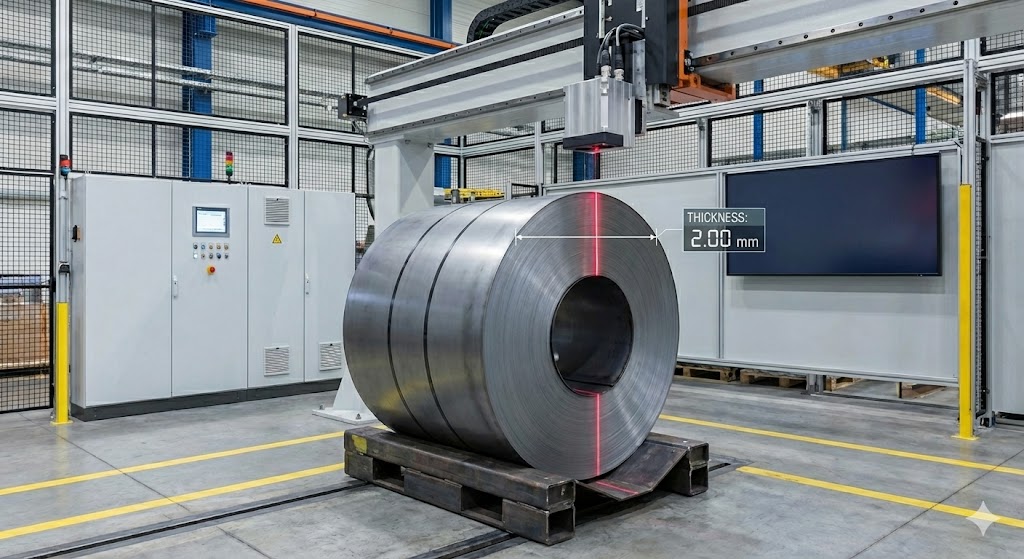
In conclusion, German Micro-Epsilon laser displacement sensors embody a fusion of precise optics, advanced electronics, and robust software. They translate the fundamental physics of light into reliable, high-speed data that drives quality, efficiency, and innovation in modern industry. For engineers tasked with solving demanding measurement challenges—where every micron counts—these sensors offer a trusted, high-performance toolset backed by decades of expertise. Their continued evolution in areas like blue laser technology for copper and gold surfaces, and embedded intelligence for edge computing, promises to further expand the boundaries of what is measurable, solidifying their role as indispensable components in the Industry 4.0 landscape.