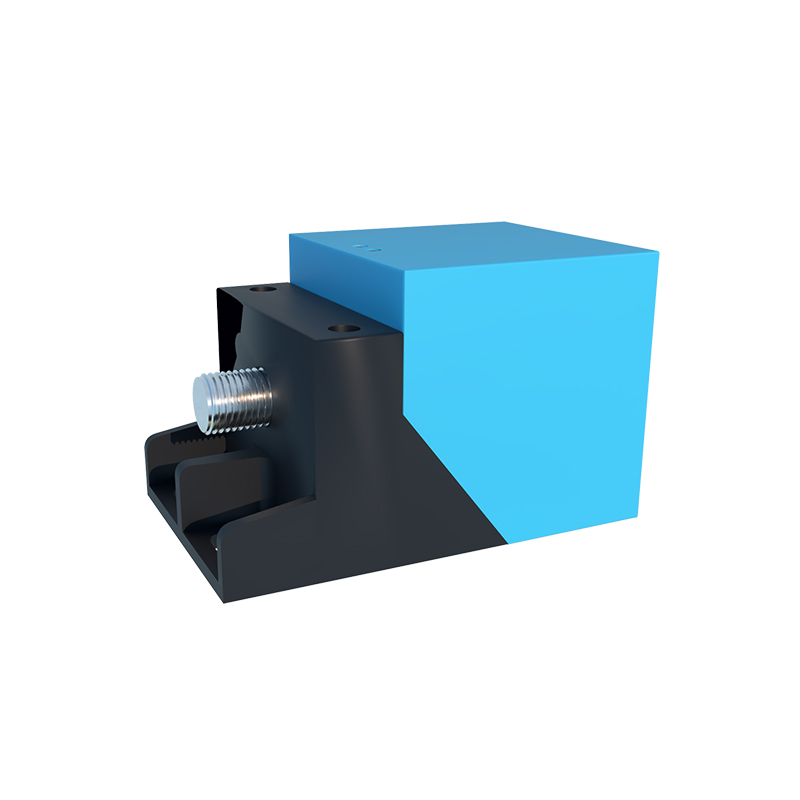
In the realm of industrial automation and control systems, proximity sensors play a pivotal role in detecting the presence or absence of objects without physical contact. Among the diverse range of these devices, low temperature proximity sensors stand out as specialized components engineered to maintain reliable performance in frigid and demanding conditions. These sensors are indispensable in industries such as cold storage logistics, frozen food processing, cryogenic applications, and outdoor operations in polar or high-altitude regions, where standard sensors would fail due to material brittleness, condensation, or electronic component malfunction.
The core challenge in designing a low temperature proximity sensor lies in ensuring operational stability across a wide thermal spectrum, typically from -40°C down to -60°C or even lower for extreme applications. Manufacturers achieve this through meticulous selection of materials and advanced engineering. Housing materials, for instance, often utilize specialized stainless-steel alloys or engineered polymers that resist cracking and maintain structural integrity under thermal stress. Internal electronic components, including oscillators, amplifiers, and output circuits, are sourced or designed to tolerate thermal contraction and maintain consistent electrical characteristics. Furthermore, seals and gaskets are made from low-temperature elastomers to prevent ingress of moisture, which can freeze and cause damage or false triggering.

Technologically, these sensors commonly employ inductive, capacitive, or ultrasonic sensing principles. Inductive sensors, detecting metallic objects, are prevalent in automated machinery within cold rooms. Their coils and ferrite cores are specifically formulated to prevent performance drift in the cold. Capacitive sensors, capable of detecting both metallic and non-metallic materials, are crucial in industries like plastics or packaging in chilled environments. Special attention is given to the dielectric properties of materials at low temperatures. Ultrasonic sensors, used for distance measurement, incorporate transducers and signal processing algorithms calibrated for the altered speed of sound in cold air.
The performance parameters of a low-temperature proximity sensor are rigorously defined. Key specifications include the rated operating temperature range, ensuring both the sensing function and the housing integrity. The switching distance or sensing range must remain stable, with minimal deviation across the temperature span. Response time is another critical factor; it must not degrade significantly as temperatures drop. Additionally, these sensors are tested for resistance to thermal shock—the sudden transition from a cold environment to a warmer one during maintenance, which can cause condensation (frost) inside the housing if not properly managed. Many models feature built-in protective measures like conformal coatings on circuit boards or heated housings for extreme applications to prevent ice accumulation on the sensing face.
Installation and maintenance of these devices require specific considerations. Cabling must use flexible, cold-resistant insulation to prevent cracking. Connectors should be of a sealed design to withstand thermal cycling. Regular maintenance checks should include inspection for ice buildup on the sensor face and verification of the mounting hardware, which may be subject to different thermal expansion coefficients than the installation surface. Proper selection involves not just the temperature rating but also matching the sensor type (e.g., normally open/closed, analog output, IO-Link capable) to the control system's requirements in that environment.
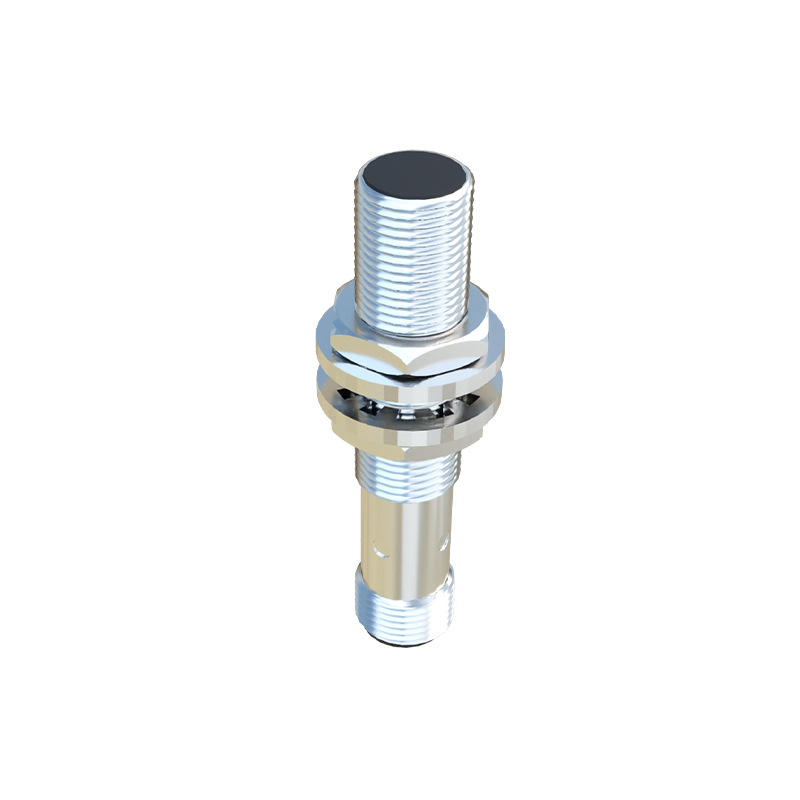
The evolution of low temperature proximity sensors is closely tied to Industry 4.0 and the Industrial Internet of Things (IIoT). Modern variants integrate digital communication protocols like IO-Link, enabling real-time monitoring of sensor health, temperature compensation data, and predictive maintenance alerts. This connectivity allows plant managers to preemptively address issues before they lead to downtime in critical cold-chain processes. Furthermore, advancements in solid-state electronics and packaging continue to push the boundaries of their operational limits, enabling exploration and industrial activity in even more extreme environments.
In conclusion, low temperature proximity sensors are not merely standard sensors placed in a cold area; they are the product of targeted engineering to conquer the challenges posed by sub-zero temperatures. Their reliability ensures continuity in automated processes that operate in some of the harshest conditions on Earth, safeguarding product quality, operational efficiency, and worker safety. As global industries expand into colder climates and demand more robust automation, the role of these specialized sensors will only grow in significance, driving further innovation in materials science and electronic design for extreme environments.