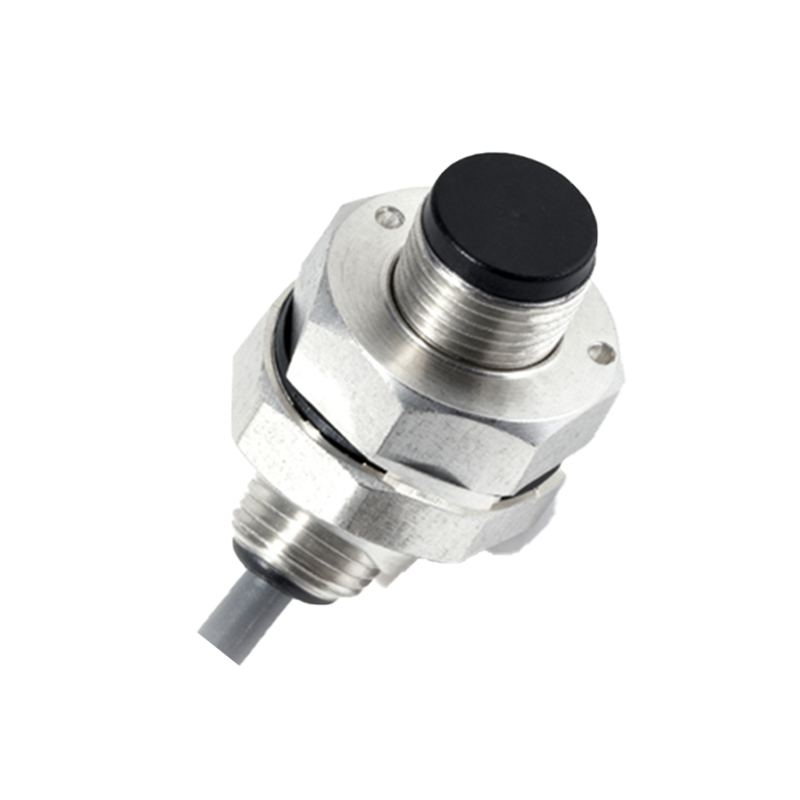
In the realm of industrial automation, proximity switch sensor counters stand as critical components for ensuring accurate, reliable, and efficient operational monitoring. These devices, which integrate non-contact proximity sensors with electronic counting units, are fundamental in applications ranging from production line item tallying to machinery cycle monitoring and logistics package tracking. Their ability to function without physical contact minimizes wear and tear, thereby enhancing system longevity and reducing maintenance demands.
A proximity switch sensor, typically inductive, capacitive, or photoelectric, detects the presence or absence of a target object within its sensing range. When an object enters this field, the sensor generates a discrete electrical signal. This signal is then transmitted to the connected electronic counter, which registers each detection as a count. Modern counters offer advanced functionalities such as preset values, high-speed counting capabilities, bidirectional counting, and communication interfaces (e.g., RS-485, Ethernet/IP, PROFINET) for integration into broader control systems like PLCs (Programmable Logic Controllers) or SCADA (Supervisory Control and Data Acquisition) systems.
The selection of an appropriate proximity sensor counter system hinges on several technical parameters. Key considerations include the sensing distance, which must be tailored to the application to avoid false triggers or missed counts; the response frequency, determining how rapidly successive objects can be detected; environmental factors like temperature extremes, humidity, and exposure to dust, oils, or vibrations; and the physical characteristics of the target material (e.g., metal, plastic, liquid). For instance, inductive sensors are ideal for metallic objects, while capacitive sensors can detect a wider range of materials including non-metals and liquids. Photoelectric sensors, using light beams, are excellent for long-range detection or when the target is non-metallic.
Installation and configuration are paramount for optimal performance. Proper alignment between the sensor and the target path is essential to ensure consistent detection. Electrical noise in industrial environments can interfere with signal integrity; thus, employing shielded cables, proper grounding techniques, and noise-immune counters is often necessary. Many contemporary counters feature programmable logic, allowing users to set complex counting sequences, implement batch control, or trigger alarms when counts reach predefined thresholds. Diagnostic indicators, such as LED status lights on both the sensor and counter, facilitate quick troubleshooting.
The benefits of deploying proximity switch sensor counters are substantial. They deliver high precision, often with counting accuracies reaching 99.9% or higher, which is crucial for quality control and inventory management. Their non-contact nature eliminates mechanical fatigue associated with mechanical limit switches or tactile counters. Furthermore, they contribute to increased production line speeds and overall equipment effectiveness (OEE) by enabling real-time monitoring and data collection. This data can be analyzed to identify bottlenecks, predict maintenance needs, and optimize workflow.
Looking ahead, the evolution of Industry 4.0 and the Industrial Internet of Things (IIoT) is driving innovation in this field. Smart counters with embedded intelligence can now perform local data processing, communicate wirelessly, and provide predictive analytics. Integration with cloud platforms allows for remote monitoring and management across multiple facilities. The convergence of precise sensing, robust counting, and networked communication solidifies the proximity switch sensor counter's role as an indispensable tool in the modern, connected factory, paving the way for smarter, more adaptive, and more efficient manufacturing ecosystems.