In the world of industrial automation and consumer electronics, the ability to detect objects without physical contact is a fundamental requirement. Among the various non-contact sensing technologies, the capacitive proximity sensor stands out for its unique operating principle and versatile application potential. Unlike its more common counterpart, the inductive sensor, which detects only metals, a capacitive proximity sensor can detect a vast array of materials, including liquids, plastics, glass, wood, and even granular substances. This broad material compatibility makes it an indispensable tool across numerous sectors.
The core principle behind a capacitive sensor is the change in capacitance. At its heart, the sensor contains an oscillator circuit where one plate of the capacitor is formed by the sensor's active surface or electrode. The other plate is formed by a nearby object, typically grounded. When no target is present, the oscillator is inactive. As a target object enters the sensor's electric field, it alters the dielectric constant between the plates, causing a change in capacitance. This change increases the amplitude of the oscillator's oscillations. Once this amplitude reaches a specific threshold, it triggers a switching circuit, changing the sensor's output state. This detection is precise and reliable, independent of the target's color or optical properties.
A key advantage of capacitive sensors is their ability to sense through non-metallic barriers. This allows them to be mounted behind plastic, glass, or wooden panels, enabling detection in sealed or hygienic environments where the sensor itself must be protected from dust, moisture, or aggressive chemicals. For instance, they are perfectly suited for monitoring fill levels in non-metallic tanks or containers, detecting the presence of liquid or powder through the container wall. In packaging machinery, they ensure a cardboard box is present before filling. In the wood and paper industry, they count sheets or detect material breaks.
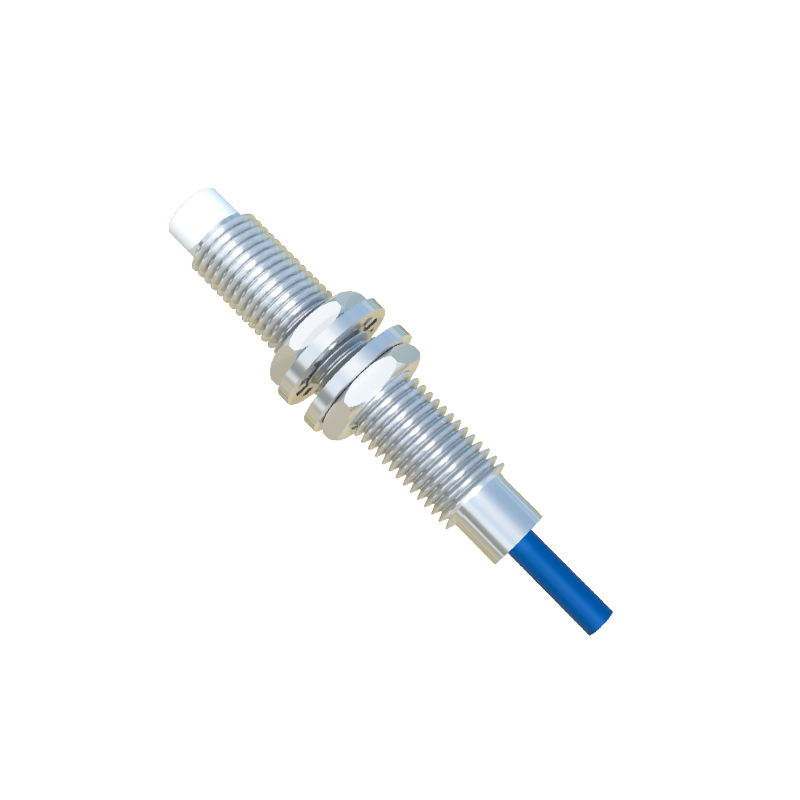
When selecting a capacitive proximity sensor for an application, several critical parameters must be considered. The sensing range, typically from a few millimeters to about 25 millimeters for standard models, is a primary factor. It's important to note that the stated nominal range is defined for a grounded metal target. For other materials like plastics or liquids, the effective sensing distance is reduced. The sensor's housing material (often PBT or stainless steel) and protection rating (like IP67 for dust and temporary immersion) must match the environmental conditions. Output types are also crucial: PNP (sourcing) and NPN (sinking) transistor outputs are standard for DC models, while some offer analog (4-20mA or 0-10V) or IO-Link digital outputs for precise distance measurement data. The response frequency indicates how quickly the sensor can detect objects passing by, which is vital for high-speed counting applications.
Installation and setup require careful attention to avoid false triggers. Since capacitive sensors are sensitive to changes in the dielectric environment, they can be influenced by mounting in metal, nearby objects, or even humidity fluctuations. Most modern sensors feature a potentiometer or teach-in button for sensitivity adjustment. This allows the user to set the trigger point precisely for the specific target material while ignoring the background or the container wall. Proper shielding of the sensor's field is also essential; flush-mounted or shielded sensors have a focused frontal field ideal for detecting objects directly in front, while non-flush sensors have a larger lateral field.
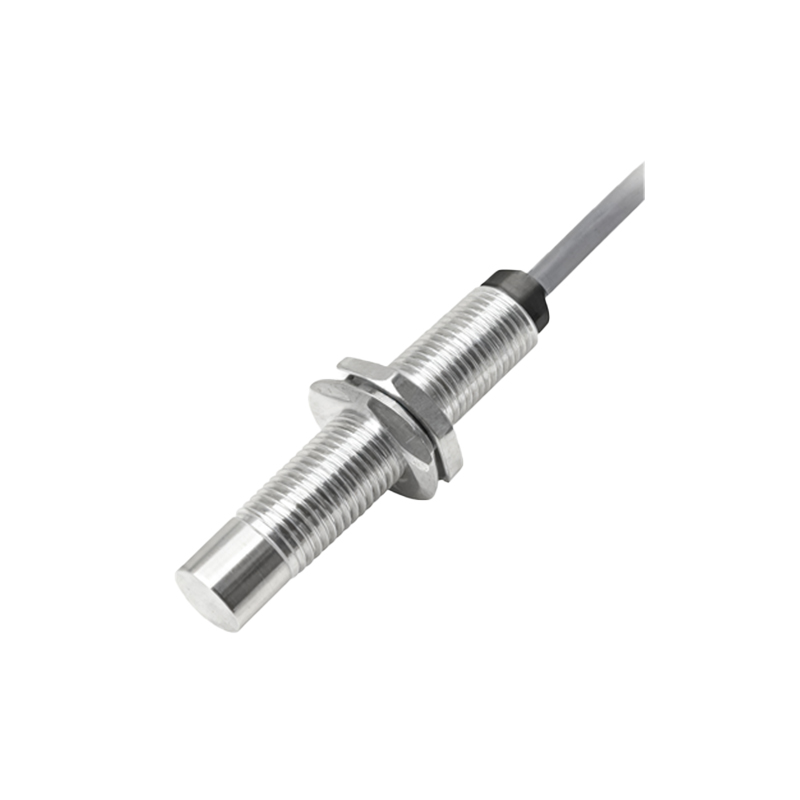
From automotive assembly lines detecting plastic components to food and beverage plants monitoring liquid levels in glass bottles, capacitive sensors provide a robust and flexible solution. They are the silent guardians in touch-sensitive elevator buttons and modern smartphone screens. Their non-contact nature ensures no wear and tear, leading to long service life and minimal maintenance. As industries continue to automate and demand more from their sensing systems, the capacitive proximity sensor, with its simple yet powerful principle of capacitance change, will undoubtedly remain a cornerstone technology, enabling smarter and more efficient interactions between machines and the physical world.