In the realm of industrial automation, proximity sensors serve as indispensable components for non-contact detection and precise positioning. These devices, commonly referred to as proximity switches or proximity positioning sensors, operate by emitting an electromagnetic field or a beam of electromagnetic radiation and detecting changes in the field or return signal. The primary advantage lies in their ability to sense the presence, absence, or position of an object without physical contact, thereby eliminating mechanical wear, reducing maintenance needs, and enhancing operational reliability in harsh environments.
There are several fundamental types of proximity sensors, each suited to specific applications based on the target material and environmental conditions. Inductive proximity sensors are widely used for detecting metallic objects. They generate an oscillating electromagnetic field from a coil. When a ferrous or non-ferrous metal enters this field, it induces eddy currents, causing a change in oscillation amplitude that triggers the sensor's output switch. These sensors are ideal for positioning metal parts on assembly lines, detecting piston positions in cylinders, or ensuring proper tool alignment in CNC machinery. Their robustness against dust, oil, and coolant splashes makes them a staple in manufacturing plants.
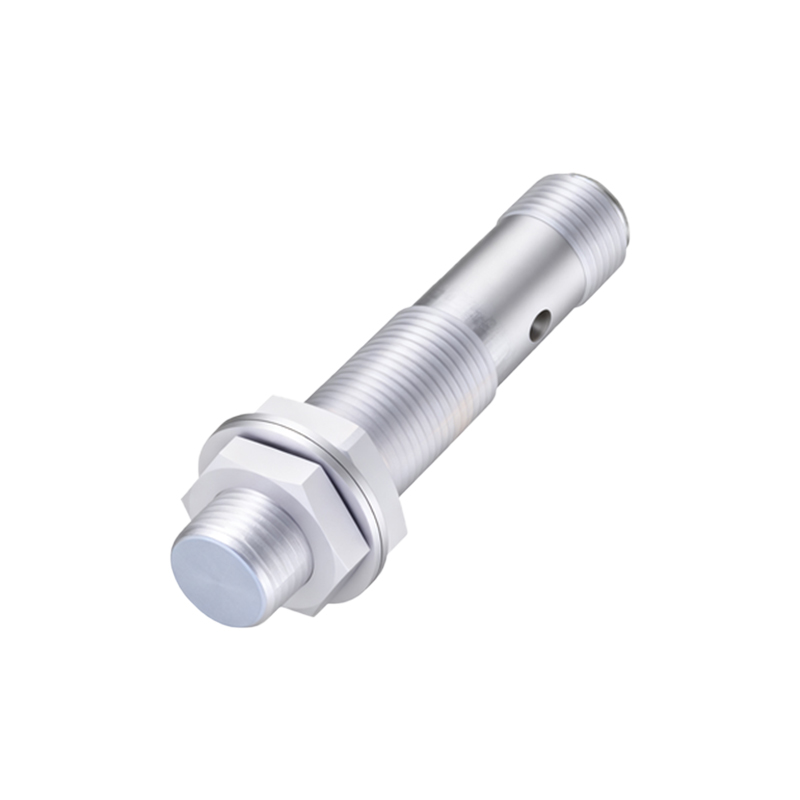
Capacitive proximity sensors, on the other hand, can detect both metallic and non-metallic materials, including liquids, plastics, glass, and wood. They function by measuring changes in capacitance between the sensor and the target. When an object enters the sensing zone, it alters the dielectric constant, leading to a capacitance shift that activates the output. This versatility is crucial in packaging industries for monitoring material levels (e.g., detecting liquid in bottles or granules in hoppers) or in woodworking for precise board positioning.
For long-range detection or applications requiring sensing of any material regardless of color or transparency, photoelectric proximity sensors are employed. These utilize a light emitter (often infrared LED) and a receiver. When an object interrupts or reflects the light beam, the receiver detects the change, signaling the object's presence. They excel in conveyor belt systems for counting products, in automated warehouses for pallet positioning, or in safety systems for perimeter guarding. Ultrasonic proximity sensors, using sound waves, are another variant suitable for challenging conditions like detecting transparent objects or operating in environments with steam or dust.
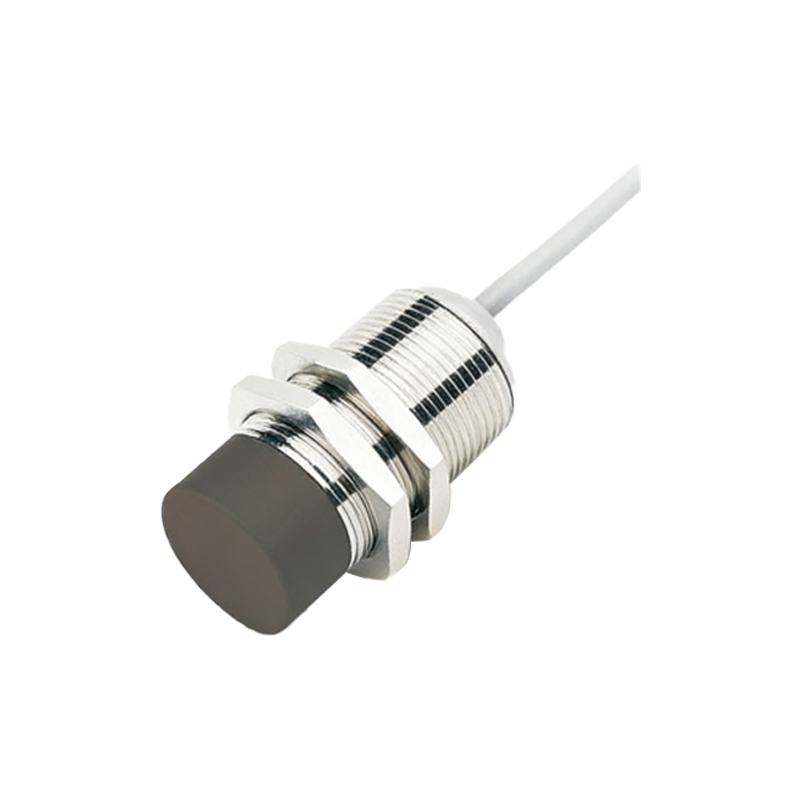
The selection of a proximity sensor for precise positioning hinges on multiple technical parameters. Sensing distance, typically specified as nominal range (Sn), is critical and must account for target material, size, and shape. Repeat accuracy, often within micrometers, determines how consistently the sensor can detect an object at the same point, which is vital for high-precision machining or robotic pick-and-place operations. Response time, the delay between sensing and output switching, affects system speed; high-speed sensors with microsecond responses are necessary for fast-moving production lines. Environmental factors such as temperature extremes, vibration, and exposure to chemicals also dictate the choice of housing material (e.g., stainless steel, PBT plastic) and protection ratings (IP67/IP69K for washdown areas).
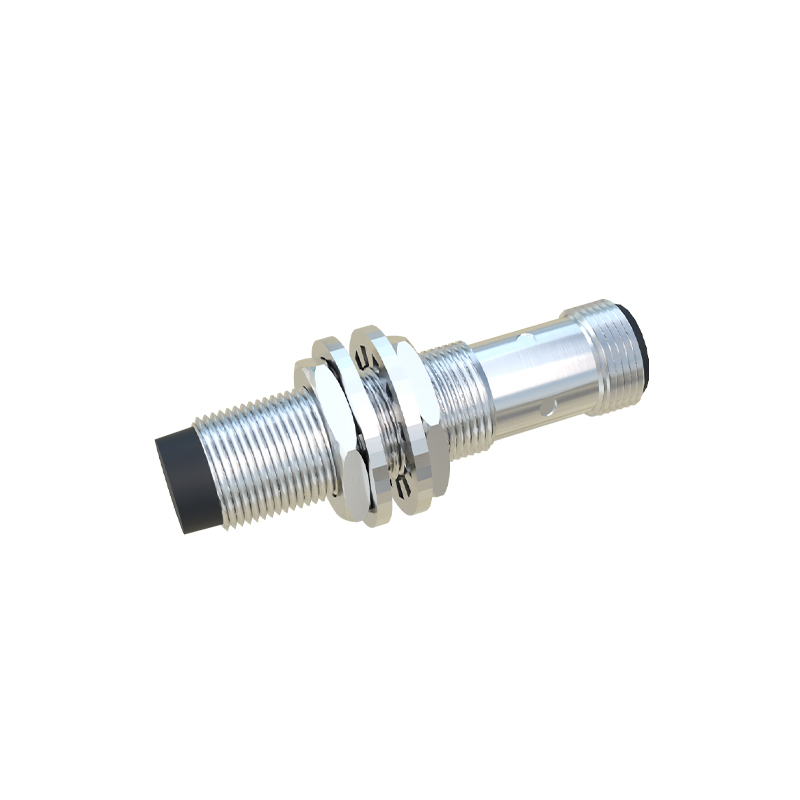
Installation and alignment are paramount for optimal performance. Sensors must be mounted securely to avoid misalignment from vibration. For inductive and capacitive types, ensuring the correct sensing face orientation and maintaining adequate clearance from surrounding metal (to prevent shielding effects) is essential. In photoelectric setups, aligning the emitter and receiver precisely prevents false triggers. Regular calibration and testing under actual operating conditions help maintain accuracy over time.
Advanced features in modern proximity sensors further enhance positioning capabilities. Analog output versions provide continuous distance measurement rather than just a binary on/off signal, enabling precise monitoring of object position within the sensing range. IO-Link communication capability allows for digital parameter setting, remote diagnostics, and integration into Industry 4.0 networks, facilitating predictive maintenance and data logging. Some models incorporate temperature compensation to ensure stable performance across varying thermal conditions, while others offer teach-in functions for easy adjustment of sensing points.
In practical applications, proximity sensors are the backbone of automated positioning systems. In automotive manufacturing, they ensure robotic welders are correctly positioned relative to car body panels. In pharmaceutical packaging, they verify the exact placement of vials on filling lines. In material handling, they guide AGVs (Automated Guided Vehicles) along predefined paths by detecting embedded markers. Their reliability directly impacts production efficiency, quality control, and safety.
Despite their robustness, common challenges include electrical interference in high-noise environments, which can be mitigated by using shielded cables and sensors with robust EMC ratings. Sensing false triggers due to environmental contaminants (like dust on photoelectric lenses) requires regular cleaning or selecting sensors with dirt-defying designs. For ultra-precision tasks, such as semiconductor wafer alignment, specialized high-accuracy sensors with sub-micron repeatability are employed, often incorporating laser or fiber-optic technologies.
Looking ahead, the evolution of proximity sensors is geared towards smarter, more integrated solutions. Miniaturization allows installation in space-constrained locations, while enhanced