In industrial automation and electrical engineering, proximity sensors are indispensable components for detecting the presence or absence of objects without physical contact. Among the various maintenance and setup procedures, zero calibration stands out as a critical process to ensure sensor accuracy, reliability, and longevity. This article delves into the principles, methodologies, and best practices for proximity sensor zero calibration, tailored for electrical engineers and technicians.
Understanding the concept of "zero" in proximity sensors is fundamental. Unlike a simple on/off state, the zero point refers to the precise threshold at which the sensor transitions between its detection states. For analog sensors, this often correlates to a specific output voltage or current corresponding to the nominal sensing distance. For digital sensors, it defines the exact position where the output signal switches. Over time, factors such as temperature fluctuations, mechanical stress, component aging, and environmental contaminants (like oil, dust, or metal shavings) can cause drift in this zero point. A sensor that is not properly zeroed may exhibit false triggering, missed detections, or inconsistent performance, leading to production errors, machine downtime, or safety hazards.
The calibration process varies depending on the sensor type—inductive, capacitive, or magnetic—and its output signal. However, the core principle remains: establishing a known reference point. The most common and recommended method involves using the actual target material under normal operating conditions. First, ensure the sensor is correctly installed and powered according to the manufacturer's specifications. The target object, which should be of the standard material and size the sensor is designed to detect, must be positioned at the desired nominal sensing distance (often labeled as Sn on the datasheet). This distance is typically the point where reliable and repeatable detection should occur.
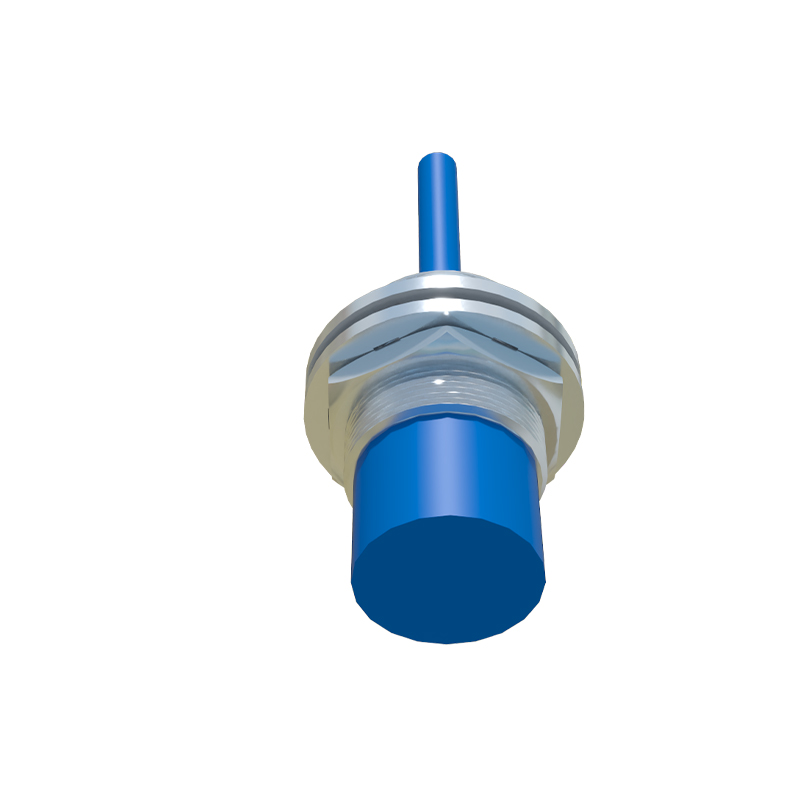
For many modern programmable sensors, the procedure is straightforward. With the target in place at the nominal distance, activate the calibration function. This might involve pressing a teach-button, sending a specific command via an IO-Link or other digital interface, or using a configuration tool. The sensor's internal circuitry then samples the current signal level and sets it as the new reference or "zero" point. Some advanced sensors feature auto-calibration routines that periodically adjust for environmental drift. For non-programmable or simpler two-wire sensors, calibration might involve physically adjusting the sensor's position relative to the target until the output state changes, then securing it. Alternatively, for sensors with potentiometers, a small screwdriver adjustment while monitoring the output with a multimeter or PLC input is standard practice.
Several critical precautions must be observed during zero calibration. Always consult the specific sensor's technical manual. Perform calibration at the normal operating temperature of the application, as temperature significantly affects sensing characteristics, especially in inductive and capacitive models. Ensure the target is clean and free of coatings that could alter its properties. The area should be clear of other metallic objects or sources of electromagnetic interference that could influence the sensor field. For applications requiring high precision, it is advisable to perform multiple calibration cycles and verify repeatability. Documenting the as-found and as-left settings is a key practice for maintenance records and troubleshooting future drift issues.
Post-calibration verification is as crucial as the calibration itself. After setting the zero point, test the sensor across its entire intended range of operation. Move the target towards and away from the sensor to verify the switch-on and switch-off points. The hysteresis—the difference between these two points—should be stable and within the sensor's specified range. Consistent performance should be confirmed with multiple approach speeds and with several identical target objects if applicable. Integrating this verification into a preventive maintenance schedule can preempt failures.
In conclusion, zero calibration is not merely a one-time setup task but an essential aspect of proactive system maintenance. A properly calibrated proximity sensor ensures optimal machine performance, enhances product quality, and contributes to overall operational safety. By mastering this procedure and adhering to rigorous standards, electrical professionals can significantly reduce unscheduled downtime and extend the service life of critical automation components, thereby upholding the efficiency and reliability of modern industrial systems.