In today's rapidly advancing industrial and consumer electronics landscape, the demand for reliable and precise sensing technology has never been higher. Among the various sensing solutions, proximity sensors stand out for their ability to detect the presence or absence of an object without physical contact. However, not all proximity sensors are created equal. Understanding what constitutes a high-quality proximity sensor is crucial for engineers, system integrators, and procurement specialists aiming to ensure optimal performance, longevity, and return on investment in their applications.
A fundamental attribute of a superior proximity sensor is its sensing accuracy and repeatability. Accuracy refers to the sensor's ability to provide a measurement that closely matches the true distance or presence of a target. Repeatability is its consistency in delivering the same output under identical conditions over time. High-quality sensors achieve this through precision-engineered internal components, including stable oscillators, finely tuned coils (for inductive types), or calibrated photodiodes (for optical types). They maintain this performance despite environmental variables like minor temperature fluctuations or electrical noise, which can plague lower-grade units.
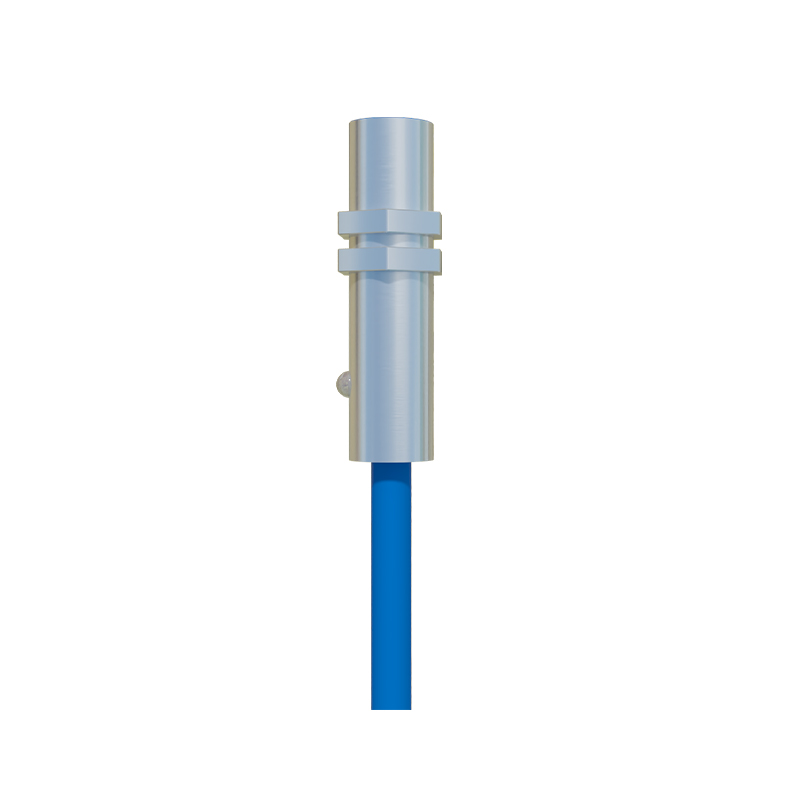
The construction and materials used directly impact durability and operational life. Premium proximity sensors feature robust housings, often made from stainless steel (e.g., V4A/AISI 316), nickel-plated brass, or high-grade PBT plastic, offering excellent resistance to corrosion, chemicals, and physical impact. The sensing face is typically protected by a rugged, wear-resistant material. This robust build ensures reliable operation in harsh environments common in manufacturing, food processing, or outdoor applications, where exposure to moisture, dust, cutting fluids, or mechanical stress is a constant challenge.
Another critical differentiator is the sensor's immunity to electromagnetic interference (EMI) and its own minimal electromagnetic emissions. High-quality sensors incorporate advanced shielding and circuit design to prevent false triggering from nearby motors, variable frequency drives (VFDs), or welding equipment. Conversely, they are designed to minimize leakage fields that could interfere with other sensitive electronics. This characteristic is non-negotiable for applications in automated production lines or complex machinery where multiple electronic devices operate in close proximity.
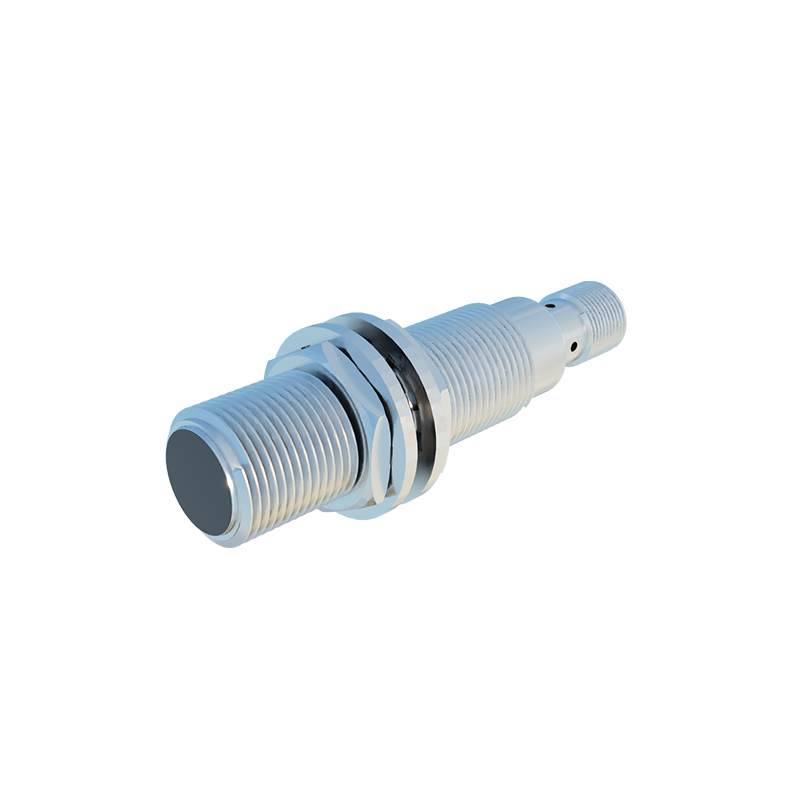
The performance specifications of a top-tier sensor are not only impressive on paper but are also truthful and consistently achievable. Reputable manufacturers provide detailed, conservative datasheets that clearly state sensing ranges, switching frequencies, temperature operating windows, and protection ratings (IP67, IP69K). For instance, a high-quality inductive sensor advertised with a 10mm range will reliably detect a standard target at that distance, not just under ideal lab conditions. Consistency in output signal—whether NPN, PNP, or analog (4-20mA, 0-10V)—is stable and clean, with minimal hysteresis.
Advanced features often integrated into high-quality units include programmable functionality, IO-Link communication, and enhanced diagnostics. Programmable sensors allow users to adjust parameters like sensing range, output delay, or switching mode on-site, offering immense flexibility. IO-Link capability transforms a simple binary sensor into an intelligent device that can transmit detailed status information, process data, and receive parameter sets, enabling predictive maintenance and Industry 4.0 connectivity. These features reduce downtime and streamline integration.
Selecting the right high-quality sensor requires a careful analysis of the application. Key considerations include:
Sensing Principle: Inductive (for metals), Capacitive (for metals, liquids, plastics), Ultrasonic (for various materials over longer distances), or Optical (for precise position detection).
Target Material and Size: The sensor must be matched to the specific properties of the target object.
Required Sensing Distance: Choosing a sensor with a range 20-30% greater than the nominal requirement can account for installation tolerances and wear.
Environmental Conditions: Temperature extremes, presence of washdown chemicals, oils, or conductive dust.
Electrical Requirements: Supply voltage, output type, and connection method (pre-wired cable or connector).
Mounting Constraints: The physical space available for installation (flush or non-flush mounting for inductive types).
Ultimately, investing in high-quality proximity sensors from established and technically supportive manufacturers pays significant dividends. It reduces costly machine downtime, minimizes false rejects in quality control processes, enhances overall system safety, and extends maintenance intervals. While the initial unit cost may be higher, the total cost of ownership (TCO) is invariably lower due to superior reliability and performance. In mission-critical applications, the assurance provided by a precision-engineered sensor is invaluable, forming the reliable sensory foundation upon which efficient and intelligent automation is built.