In the seamless dance between humans and machines, a silent, unseen technology often takes the lead: the proximity touch sensor. This sophisticated component, embedded in countless devices, detects the presence or absence of nearby objects without any physical contact. Its operation is a marvel of modern engineering, fundamentally altering how we interact with the digital world.
At its core, a proximity sensor works by emitting an electromagnetic field or a beam of electromagnetic radiation, typically infrared light. It then looks for changes in the field or the return signal. When an object, most often a human hand or finger, enters this predefined field, it causes a detectable disturbance. This change is processed by the sensor's circuitry, which triggers a pre-programmed response in the host device. This elegant principle of non-contact detection is what sets it apart from traditional capacitive or resistive touchscreens that require direct contact.
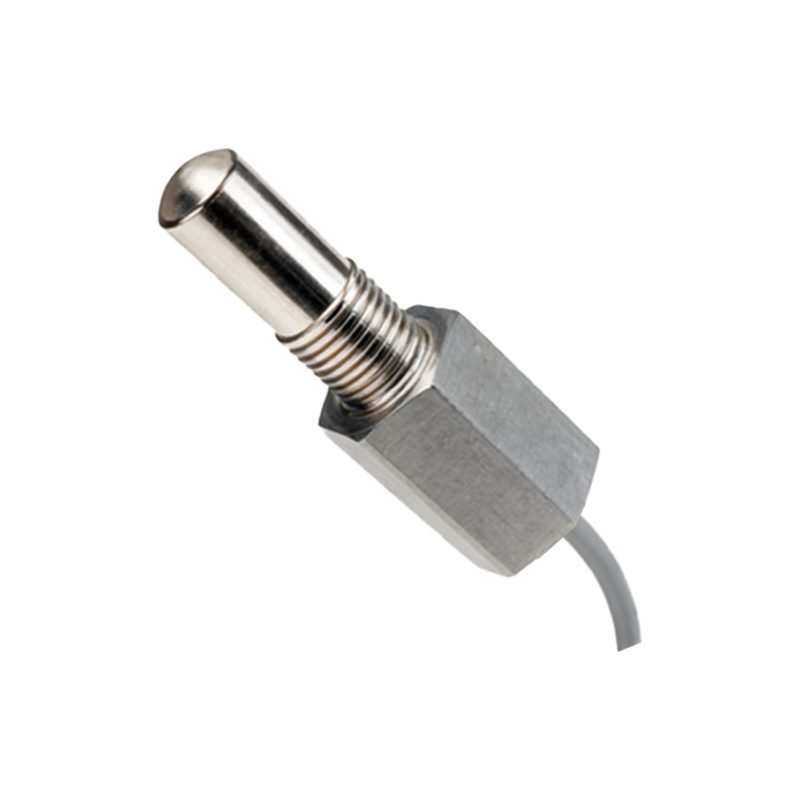
The applications of this technology are vast and deeply integrated into daily life. In smartphones, it is the reason your screen turns off when you hold the phone to your ear during a call, preventing accidental cheek-dials. In modern laptops, it can detect when a user is present, waking the device from sleep mode to save power and enhance security. Automotive interiors utilize proximity sensors to activate backlit controls or infotainment screens as a hand approaches, reducing driver distraction. Beyond consumer electronics, they are critical in industrial settings for object detection on assembly lines, in public restrooms for touchless faucets and soap dispensers, and even in retail for interactive display screens that activate as customers walk by.
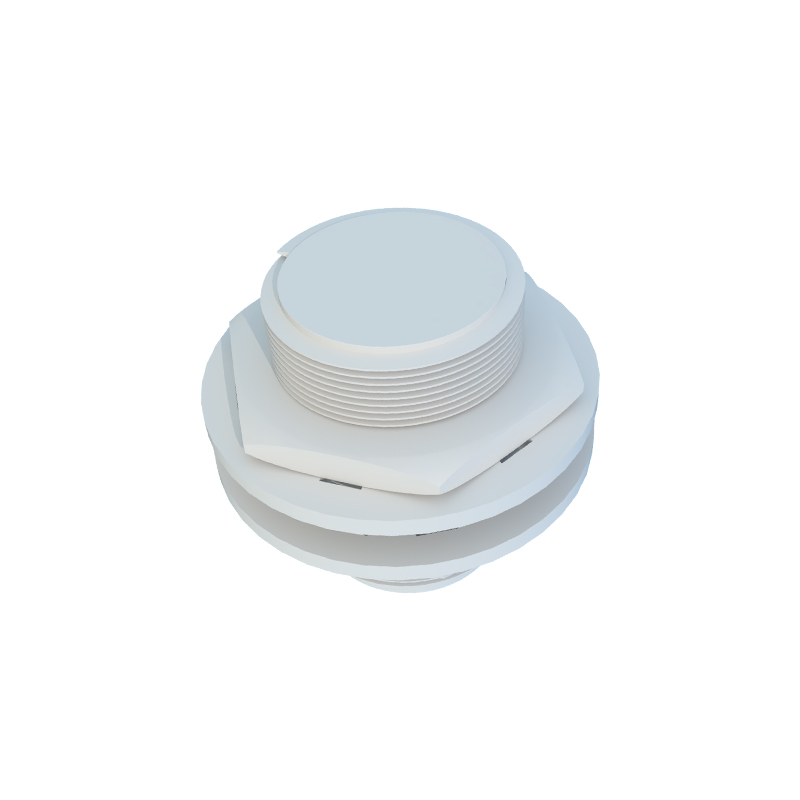
Several key technologies enable proximity sensing. Infrared (IR) sensors are common, using an IR LED to emit light and a photodiode to measure its reflection. Ultrasonic sensors emit high-frequency sound waves and measure the echo's return time. Inductive sensors generate an electromagnetic field to detect metallic objects, while capacitive sensors, the most prevalent in consumer devices, detect changes in capacitance caused by a conductive object like a finger. Each type has its strengths, chosen based on required range, target material, environmental conditions, and cost.
The advantages of proximity touch sensors are compelling. They enable intuitive, hygienic touchless interfaces—a feature whose value was magnified during global health concerns. They contribute to energy efficiency by allowing devices to enter low-power states when no user is detected. Furthermore, they enhance durability by reducing mechanical wear and tear associated with physical buttons and switches, while also enabling sleek, minimalist designs uncluttered by visible controls.
However, the technology is not without its challenges. Environmental factors like ambient light (for optical sensors) or conductive materials can cause false readings or interference. Calibration is crucial for consistent performance, and the sensing range is typically limited to a few centimeters for most consumer applications. Designers must carefully balance sensitivity to avoid accidental activation while ensuring reliable detection.
Looking forward, the evolution of proximity sensing is intertwined with advancements in the Internet of Things (IoT) and ambient intelligence. Future sensors will likely become more context-aware, able to distinguish between different gestures or the intent behind an approach. Integration with artificial intelligence will allow for more predictive and personalized interactions. We can expect them to become smaller, more power-efficient, and capable of functioning in more diverse and challenging environments.
From the smartphone in your pocket to the automated systems in smart buildings, proximity touch sensors work tirelessly in the background. They are a foundational element of the intuitive, responsive interfaces we now take for granted. By bridging the gap between the physical and digital realms without a touch, this invisible technology continues to quietly redefine the boundaries of human-computer interaction, making our engagements with technology more natural, efficient, and seamless than ever before.