In the intricate world of industrial automation and machinery, the silent, unseen components often hold the most critical roles. Among these, the proximity sensor stands as a fundamental pillar, enabling machines to "see" and interact with their environment without physical contact. While various aftermarket and compatible alternatives exist, the debate often circles back to one core choice: the original equipment manufacturer (OEM) proximity sensor versus its substitutes. Understanding the intrinsic value of an original proximity sensor is essential for engineers, maintenance teams, and procurement specialists aiming for optimal system performance, longevity, and total cost of ownership.
An original proximity sensor is precisely that—a component designed, engineered, and manufactured by the same company that produced the original machine or control system. It is not merely a physical match but a perfect integration of hardware, firmware, and intended application logic. These sensors are born from a holistic design philosophy. The OEM's engineers develop the sensor concurrently with the machine it will serve. This symbiotic development process ensures that every parameter—sensing range, response frequency, housing material, output signal type, and environmental resistance (to heat, cold, chemicals, or vibration)—is calibrated for that specific operational context. The result is a component that doesn't just fit; it belongs.
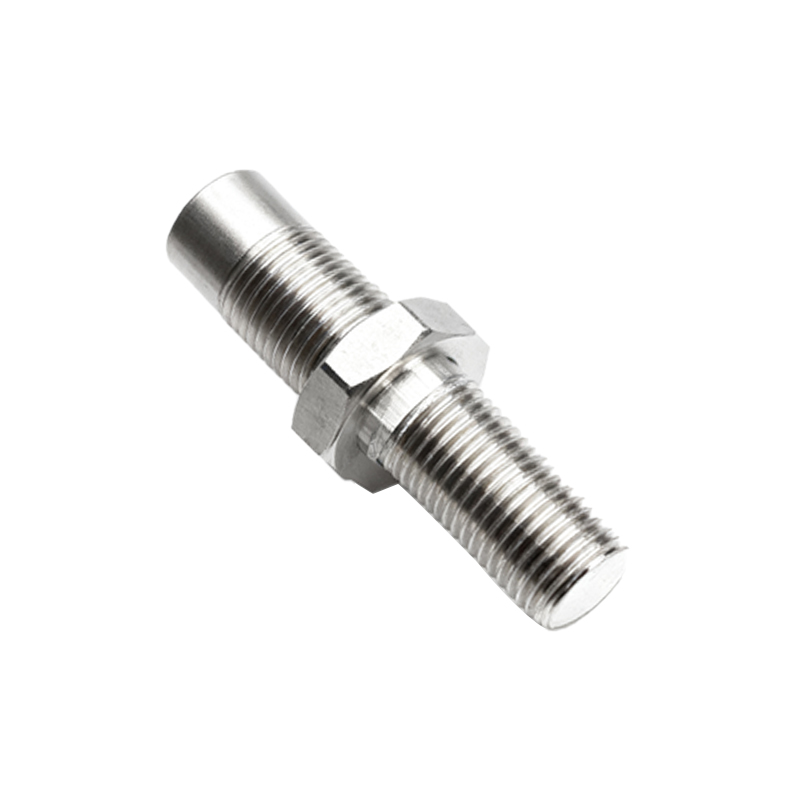
The advantages of specifying original proximity sensors are multifaceted and directly impact operational metrics. Foremost is the guarantee of precision and repeatability. OEM sensors deliver the exact sensing characteristics documented in the original machine's specifications. This consistency is paramount in high-speed packaging lines, precision robotic assembly, or automated guided vehicles (AGVs) where a millimeter's deviation can cause jams, defects, or collisions. The repeatability of the switching point ensures processes remain stable over millions of cycles, maintaining product quality and throughput.
Reliability and durability form the second cornerstone. Original sensors are subjected to the same rigorous validation and testing protocols as the host machine. They are stress-tested for endurance under the exact conditions they will face in the field. This includes extended lifecycle testing, ingress protection (IP) rating validation for dust and moisture, and resistance to electromagnetic interference (EMI). An OEM-built sensor in a welding robot, for instance, is specifically hardened against spatter and the intense electromagnetic noise generated by welding arcs—a challenge generic sensors may not withstand as effectively.
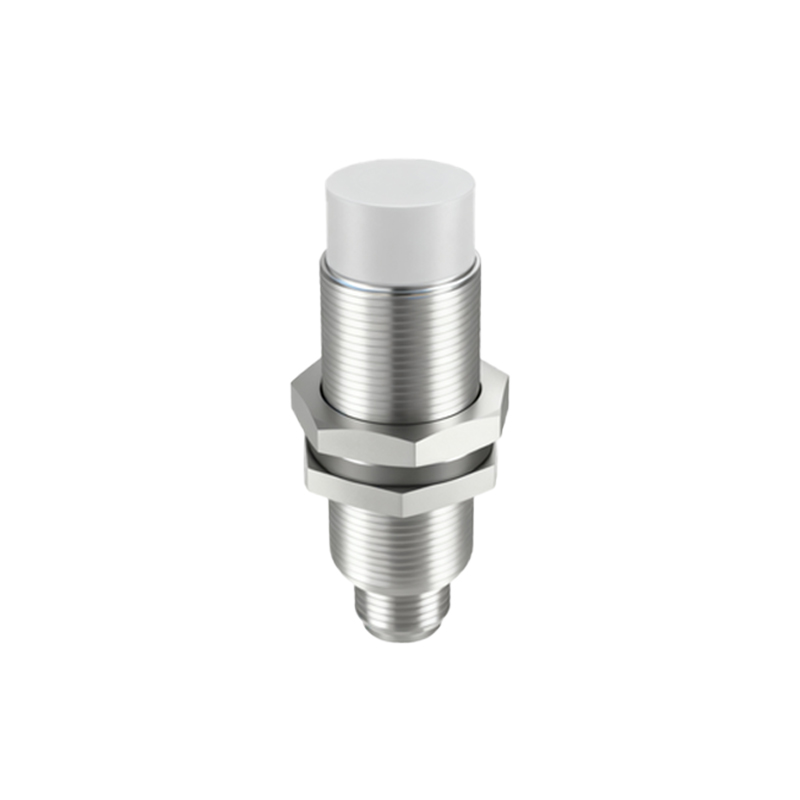
From a logistical and lifecycle management perspective, original sensors simplify maintenance. They ensure 100% compatibility, eliminating the guesswork and trial-and-error often associated with third-party parts. This compatibility extends beyond plug-and-play wiring; it encompasses communication protocols, parameterization software, and diagnostic feedback within the machine's human-machine interface (HMI). When a fault occurs, troubleshooting is more straightforward, as the system and the sensor speak the same "language." Furthermore, sourcing original parts typically comes with full technical support from the OEM and a genuine warranty, protecting your investment.
While the initial purchase price of an original sensor may be higher than a generic equivalent, the total cost of ownership (TCO) often tells a different story. Consider the costs associated with unplanned downtime: lost production, idle labor, and missed deliveries. A single failure of a non-original sensor, leading to a line stoppage, can eclipse the savings from purchasing dozens of cheaper alternatives. Original sensors, with their proven reliability, minimize this risk. They also contribute to longer mean time between failures (MTBF), reducing spare part inventory costs and the labor hours spent on frequent replacements.
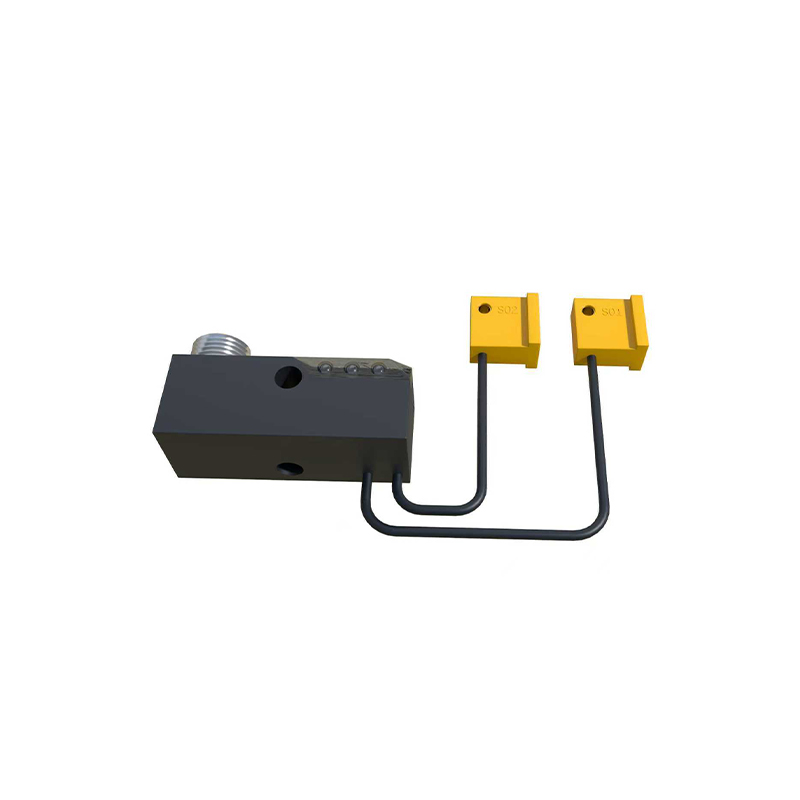
The decision extends into the realm of system safety and certification. In applications governed by stringent safety standards—such as machinery with safety interlocks, elevator doors, or automated storage and retrieval systems—using certified original components is frequently not just recommended but mandated. OEM sensors integrated into safety circuits are designed and validated to meet specific Performance Levels (PL) or Safety Integrity Levels (SIL), ensuring failsafe operation. Compromising here with an uncertified alternative can have serious legal and liability implications.
In conclusion, the selection of a proximity sensor is a strategic decision that influences far more than a single component's functionality. An original proximity sensor represents a commitment to the engineered integrity of the entire automated system. It is an investment in predictable performance, minimized operational risk, and sustained productivity. For mission-critical applications where precision, reliability, and safety are non-negotiable, the original proximity sensor remains the unequivocal standard, proving that in advanced automation, true value is measured not just in unit cost, but in unwavering performance over the long term.