In the rapidly evolving landscape of industrial automation and smart electronics, the demand for reliable, cost-effective sensing solutions has never been higher. Among the various technologies available, plastic proximity sensors have emerged as a pivotal component, offering a unique blend of durability, versatility, and affordability. Unlike their metallic counterparts, these sensors utilize housings and critical components made from engineered plastics, opening new avenues for design and application.
The fundamental principle behind a plastic proximity sensor is the detection of an object's presence or absence without physical contact. Most commonly, these sensors operate on inductive, capacitive, or photoelectric principles. Inductive sensors, for instance, generate an electromagnetic field and detect changes caused by metallic objects entering this field. The key innovation lies in the use of high-performance plastics like PBT (Polybutylene Terephthalate), PPS (Polyphenylene Sulfide), or specially formulated polyamides to encase the sensing coil and electronics. These materials are selected for their exceptional mechanical strength, resistance to chemicals and corrosion, and stable dielectric properties.
The advantages of incorporating plastic into sensor design are substantial. First and foremost is corrosion resistance. In harsh environments where exposure to moisture, salts, acids, or alkalis is common, metallic sensor housings can degrade rapidly. Plastic sensors excel here, ensuring long-term reliability in food processing, chemical plants, and outdoor applications. Weight reduction is another significant benefit, leading to easier installation and less strain on mounting structures. Furthermore, plastics offer superior electrical insulation, enhancing safety in electrically noisy environments. From a manufacturing perspective, the injection molding process for plastic housings allows for complex geometries, integrated mounting features, and more consistent, cost-effective mass production compared to machining metal parts.
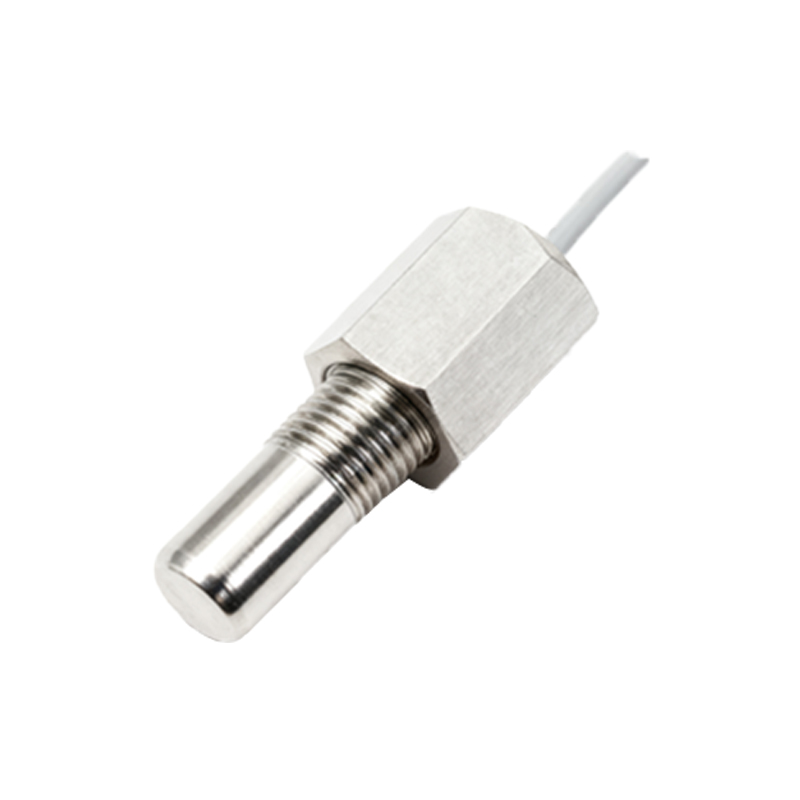
Applications for plastic proximity sensors are vast and growing. In the automotive industry, they are used for non-contact position sensing in assembly lines, often where lightweight and resistance to automotive fluids are crucial. Packaging machinery extensively employs these sensors to detect product presence on conveyor belts, count items, or monitor fill levels, benefiting from their immunity to dust and washdown cleaning. Within the realm of consumer electronics and home appliances, miniaturized plastic sensors enable touchless interfaces and safety features. A particularly critical application is in washdown areas of food and beverage production, where sensors must withstand frequent, high-pressure cleaning with caustic solutions—a task for which stainless steel was once the only option, but where specific FDA-compliant plastics now provide a reliable and less expensive alternative.
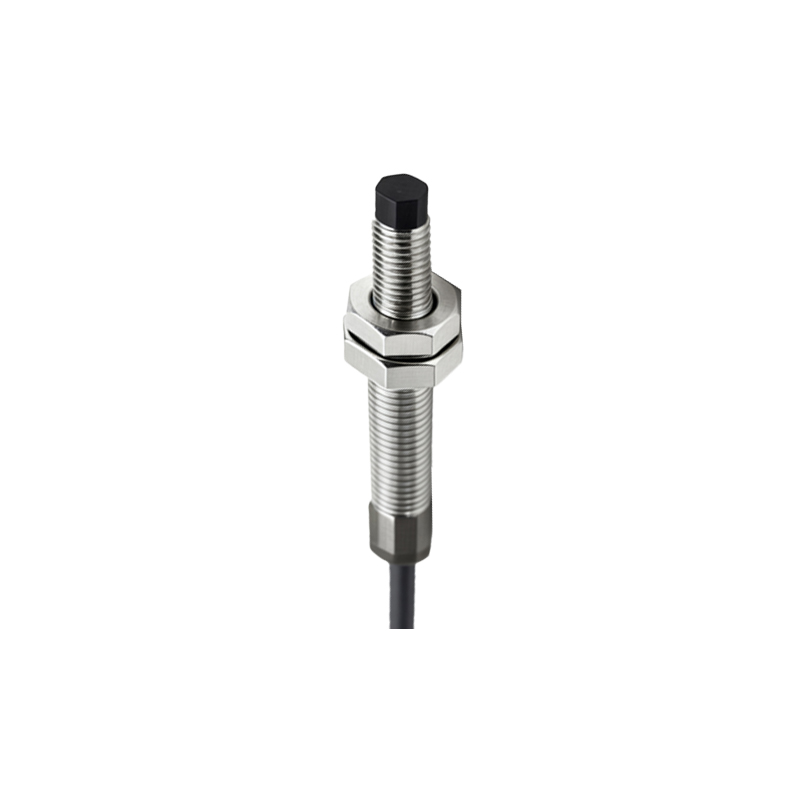
Selecting the right plastic proximity sensor requires careful consideration of several parameters. The sensing range, which is typically shorter for plastic-bodied inductive sensors compared to metal ones, must be adequate for the application. The target material is paramount; inductive sensors only detect metals, while capacitive variants can sense liquids, plastics, and other materials. Environmental factors such as temperature extremes, potential for mechanical impact, and exposure to specific chemicals will dictate the required plastic grade and ingress protection (IP) rating. Electrical output type (e.g., NPN, PNO, analog) and connection method (pre-wired or connector-based) must also align with the control system in use.
Looking ahead, the future of plastic proximity sensors is intertwined with material science and Industry 4.0 trends. The development of new polymer composites with enhanced thermal stability, higher strength, and embedded shielding for electromagnetic compatibility is ongoing. Furthermore, the integration of smart features like IO-Link communication is becoming more prevalent, even in cost-sensitive plastic sensor models. This digital interface allows for parameter setting, condition monitoring, and diagnostic data retrieval, transforming a simple switch into an intelligent node on the industrial network. This facilitates predictive maintenance, reducing downtime and increasing overall equipment effectiveness.
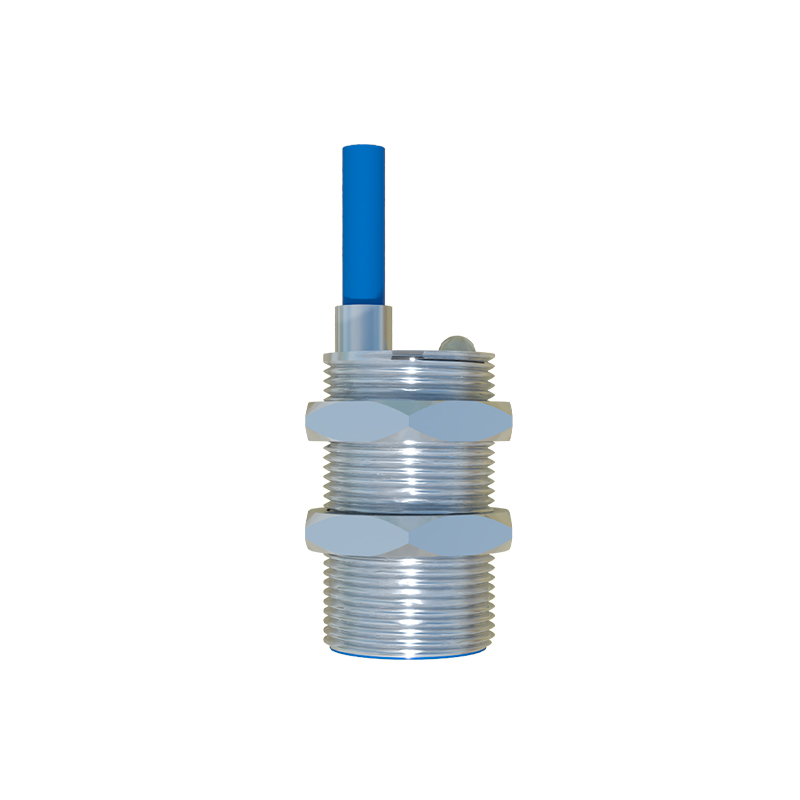
In conclusion, plastic proximity sensors represent a mature yet dynamically improving technology. They solve practical challenges in demanding environments by leveraging the inherent benefits of advanced polymers. For engineers and system integrators, understanding their operating principles, material advantages, and application-specific selection criteria is essential for designing robust, efficient, and future-ready automated systems. As material technology advances and digital integration deepens, the role of these versatile sensors is set to expand further, solidifying their position as a fundamental building block in modern industrial and electronic design.